
In Rural Texas, People Experiencing Homelessness Lead “Masked” Lives Outside of Public View
This article in The Texas Tribune.
STEPHENVILLE鈥擭o one knew Billy Ray 鈥淪haggy鈥� Hagen was homeless until the janitor arrived early one morning and saw him sleeping on the floor of St. Luke鈥檚 Episcopal Church.
The 27-year-old had lost his job at a pizzeria and, after having problems with his roommates, left the house where he was living with nowhere to go.
鈥淚鈥檝e heard that some churches leave their door unlocked at night,鈥� Hagen said.
The janitor told a few people at church that the man was homeless. Hagen eventually told some friends. But for the most part, people in this rural town of 20,797, one hour southwest of Fort Worth, never realized the man walking alongside them on sidewalks and hanging out with them at neighborhood bars had no home.
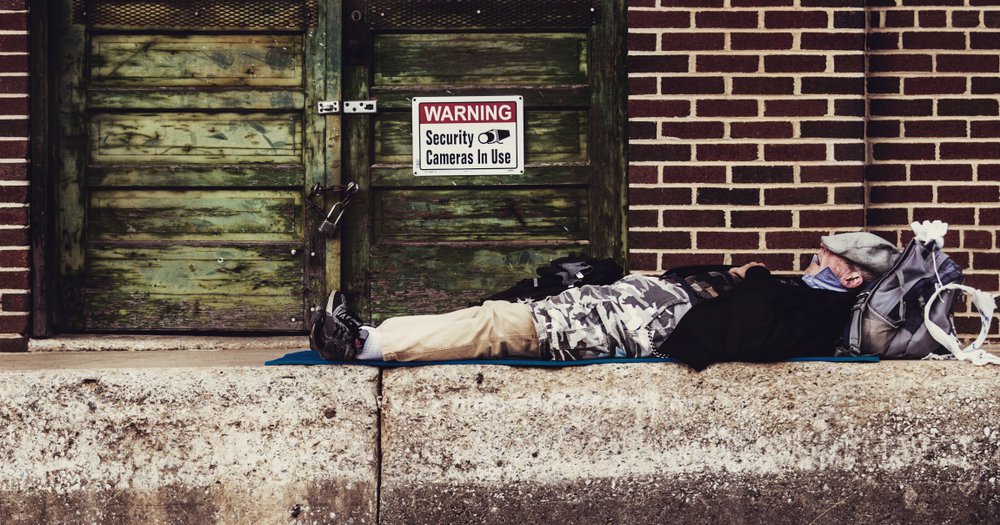
鈥淚 would pretty much hide in plain sight,鈥� Hagen said. 鈥淚 showered at a friend鈥檚 house whenever I could. I would clean my clothes at the laundromat. No one would know if I wouldn鈥檛 tell them.鈥�
Last year, Gov. spotlighted homelessness in Texas鈥� urban areas after battling with Austin鈥檚 mayor over tent policies and services for those in need. Meanwhile, rural Texas is experiencing a surge in homelessness, and it lacks many of the resources the big cities have to cope.
Rural counties don鈥檛 typically conduct the like Austin, Dallas or Houston organize each January. But the Texas Homeless Network estimates that in 2019, more than 8,000 people experienced homelessness in 215 Texas counties outside the state鈥檚 urban regions. That鈥檚 almost how many people experience homelessness in Dallas and Houston combined. And since 2016, homelessness in those less populated counties has increased by 33 percent.
鈥淚n the last few winters, the number of people coming in to ask for help have gone up here,鈥� said Sherry Carroll, director of Grace Place Ministries in Stephenville.
Big cities are much more likely to have homeless shelters, millions in federal funds and networks of nonprofits.
But because sparsely populated areas lack the resources to find and help people experiencing homelessness, churches and faith-based organizations become one of their few lifelines.
鈥淧eople might live in a home, but the housing might be substandard. Or they might live in their cars or at their workplace,鈥� said Abraham Benavides, a public administration professor at the University of North Texas who is training officials in 24 rural counties on homelessness solutions. 鈥淗omelessness in rural areas is masked.鈥�
That leaves rural organizations struggling to find and keep track of people without homes.
鈥淭oday we have two or three, tomorrow we might have none. We don鈥檛 know where they go. And we want to help them,鈥� Carroll said.
"Nobody thinks about us"
According to the the Texas Homeless Network, the nonprofit that coordinates homelessness support efforts across the state, it is becoming harder to find affordable housing in rural areas.
鈥淚n the last year, we've had a lot more interaction with communities that are more rural, who have been telling us that homelessness is an issue there,鈥� said Sophia Checa, the network鈥檚 director of continuum-of-care programs. 鈥淲e're seeing the same reasons as in urban areas, which is not a lot of affordable housing and stagnated wages. People just can't afford to pay for housing.鈥�
In Stephenville, Tarleton State University students rent most of the available apartments and houses, which leaves low-income residents with fewer places to lease.
鈥淚n our community, we have a higher rate of poverty than the state as a whole, and housing is expensive because of the college,鈥� Carroll said. 鈥淟andlords know that they can get money from the students, and there is very little affordable housing.鈥�
In Stephenville, the local churches and community members have gathered together and created an organization called Homelessness HELP that pulls resources together and keeps track of people without homes.
The group paid for Hagen to spend a night in a motel in the middle of summer.
鈥淚t was a break from all of this,鈥� Hagen said. 鈥淔or one night, I didn鈥檛 have to worry about anything. I had AC, I could take a long shower and a nap.鈥�
But that isn鈥檛 something that Homelessness HELP can routinely do.
鈥淲e can only help with one night every seven months,鈥� Carroll said. 鈥淲e don鈥檛 have more money, so that鈥檚 the policy.鈥�
Forty miles north in Mineral Wells, James Rhodes relies on Fort Worth supermarkets to donate the groceries that stock the food pantry of New Haven Ministries, an organization he directs that provides food, clothes and shelter to people in need.
鈥淭he problem with rural areas is that nobody thinks about us. There鈥檚 no resources, and we have to do a lot with what we can get,鈥� Rhodes said.
He oversees volunteers who help him organize, pack and distribute food. New Haven doesn鈥檛 receive any state or federal money. Rhodes doesn鈥檛 even know where to go or how to apply for the funds that bigger cities get.
Rhodes has identified around 60 people who experience homelessness in this town of 15,000.
鈥淚 think the need is getting greater,鈥� he said. 鈥淚 have no idea why it鈥檚 happening, but I have seen an increase in people coming out to ask for our help.鈥�
One financial emergency is all it takes
With 121,000 residents, Abilene is much bigger than Stephenville or Mineral Wells. It has more charitable organizations than smaller towns have.
But small and medium-sized cities like Abilene often struggle with finding housing and welfare services for people experiencing homelessness. And while there are more people needing such help than in less populated rural areas, it鈥檚 still hard to identify who may be living without a home.
Katherine Bisson is executive director of Abilene Hope Haven, a nonprofit that serves homeless people in Taylor County, which includes Abilene. She said people experiencing homelessness in her town aren鈥檛 always visible to the public.
鈥淭hey don鈥檛 camp in front of a business because they know they would get in trouble,鈥� Bisson said. 鈥淪o they live in cars and abandoned buildings, and they are really difficult to find.鈥�
Her group follows what鈥檚 called the 鈥渉ousing-first鈥� approach to homelessness, which prioritizes getting a roof over someone鈥檚 head before trying to solve problems like unemployment, mental health issues or substance use disorders.
Although more apartments are available than in the deep rural areas, finding a home at an affordable price can be difficult. And for many, a financial emergency like losing a job can trigger homelessness.
That鈥檚 what happened to Francis Castillo, who was laid off from her job at a cracker factory in Abilene.
鈥淚 got evicted, I lost my apartment, I lost everything,鈥� she said.
Unemployed and sleeping in her old Toyota Camry, Castillo experienced anxiety and depression. But she managed to get a room at Abilene Hope Haven. There, she received mental health services, and the organization helped her finding a job at a bakery.
鈥淲e made 8,700 tamales yesterday. I鈥檓 sick of tamales,鈥� she joked.
Hope Haven is now helping her find an apartment that will let her use federal funds to subsidize the rent.
鈥淔inding a one-bedroom to rent in this city is a huge challenge,鈥� Bisson said.
Many advocates and public officials, , have praised Abilene leaders for 鈥渆nding veteran homelessness,鈥� which means the number of new homeless veterans matches the average monthly number of homeless veterans placed in permanent housing. The next goal is to also get the number of chronically homeless people to a functional zero.
John Meier is in charge of veteran services at the West Central Texas Regional Foundation, a nonprofit that offers everything from education to housing services in 19 counties. He thinks getting the chronically homeless population in Abilene to a functional zero is possible if residents help identify people in need and government officials provide funding.
鈥淚t鈥檚 really easy to say 鈥榯hose people鈥� instead of realizing that they are like me,鈥� Meier said. 鈥淎 lot of times our politicians and community leaders aren鈥檛 really engaged with the people that need these services.鈥�
Bouncing back
Five years ago, Michael Landers lost his job in Fort Worth. He didn鈥檛 have savings or relatives who could help him. He spent two years with his wife and kid sleeping in a car and in hotel rooms.
鈥淭he shelters in the city were dealing with so much more, so they have to separate the women and men, which we didn鈥檛 want to do,鈥� Landers said.
He and his wife found out about the shelter in Mineral Wells online.
鈥淲e didn鈥檛 know anything about Mineral Wells,鈥� he said of the town 50 miles away. 鈥淲e didn鈥檛 know anybody there, but it was the only option for us.鈥�
At that town鈥檚 shelter, the Landers family got a bedroom with a bunk bed. Their son would sleep on the top, Landers and his wife on the bottom. The shelter also helped him get his driver's license back, and he found work as a commercial truck driver.
鈥淭his was a smaller community,鈥� Landers said. 鈥淭hey know your name, what you need. In the larger shelters and in larger cities, you are not going to have that.鈥�
After six months in the shelter doing odd jobs, he managed to find a stable job as a truck driver, and now the family lives in the Fort Worth suburb of Euless.
鈥淲e forget that smaller communities can be a solution,鈥� said Checa of the Texas Homeless Network. 鈥淭hey may be small, but they are mighty, too.鈥�
Hagen, once found sleeping in the Stephenville church, also found a job. He is a welder and now has a one-bedroom apartment. Stephenville organizations helped with the first month鈥檚 rent.
鈥淛ust in time for the winter,鈥� he said.
Slowly, he鈥檚 furnishing the apartment as he can. Some church congregants gave him a couch, and they still haven鈥檛 forgotten the guy who sought shelter in their building.
鈥淭hey call me every Monday,鈥� he said.
More 国产视频 the Authors
Related

Children Belong in School Learning, Not Left to Languish in ICE Detention

A National Review of Early Childhood Cost Models: Findings on Children with Disabilities and Developmental Delays

Gender Equity in High-Quality Youth Apprenticeship: A Deeper Dive into the PAYA Data
