Vicki Shabo
Senior Fellow for Gender Equity, Paid Leave & Care Policy and Strategy, Better Life Lab

This story is adapted and cross-posted from .
An in the United States are caregivers, parenting children, supporting aging relatives, or tending to loved ones who are ill or disabled. Care isn鈥檛 a niche鈥攊t鈥檚 in the infrastructure of everyday life. In the at 国产视频鈥檚 Better Life Lab and at Caring Across Generations, our goal is to make that reality unmistakable in pop culture.
New research from the spring of 2025 shows that U.S. streaming audiences are hungry for authenticity. Across gender, age, race, ethnicity, and political ideology, viewers want characters who manage work, family, and care responsibilities in authentic ways. Sixty-three percent want more stories involving chronic illness or disability, and similar shares want to see a broader range of family structures and caregiving realities on screen. Thankfully, the landscape is shifting: Representation has grown meaningfully since Caring Across Generations鈥檚 with the Geena Davis Institute on Gender in Media.
In this year鈥檚 annual celebration of care on screen, we鈥檙e spotlighting 10 exemplary shows from 2025, plus a few honorable mentions.聽 When pop culture reflects the care that actually shapes our lives, it does more than tell a story. It validates lived experiences, clarifies what鈥檚 at stake, and deepens our collective understanding of what it means to care and be cared for.
Psychological crime drama limited series
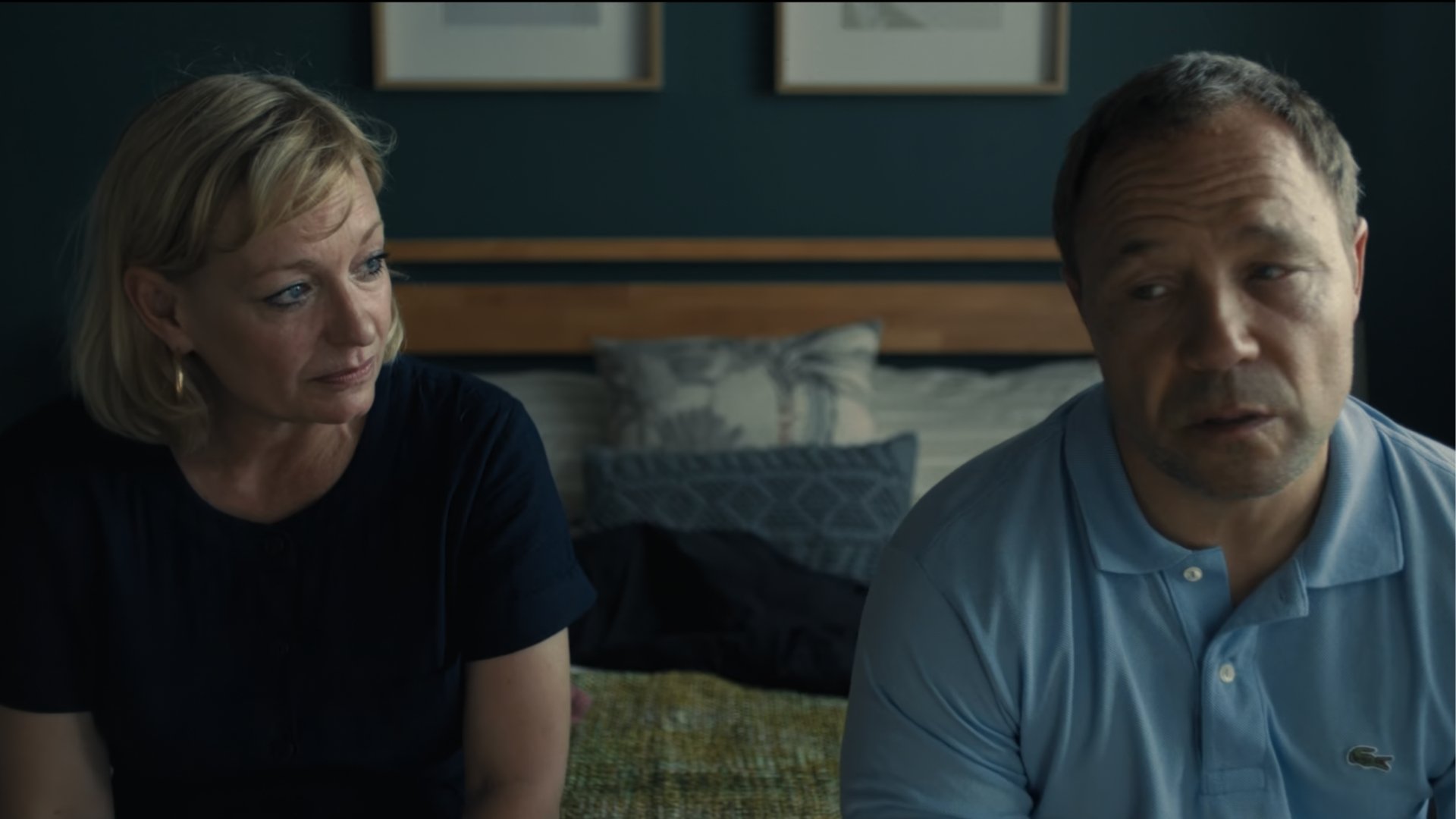
This miniseries about Jamie, a young teen boy accused of murdering a female classmate, sparked a global cultural conversation about teen mental health and parenting kids in the age of social media. It also highlights two nuanced father-son relationships. Eddie is the primary parent supporting his child amidst a shocking situation, and Luke is an investigator on the case who develops a new understanding of his son, Adam. These fathers鈥攚ho become more emotionally attuned to their children as the story unfolds鈥攔eflect on their parenting and subvert negative stereotypes about fatherhood. They model positive, emotional masculinity that embraces care. Also notable are the grief and guilt held between Eddie and his wife, Manda, as they struggle to understand to what degree their long work hours and ignoring of early warning signs at home make them responsible for their son鈥檚 behavior and the community鈥檚 tragedy.
Thriller limited series
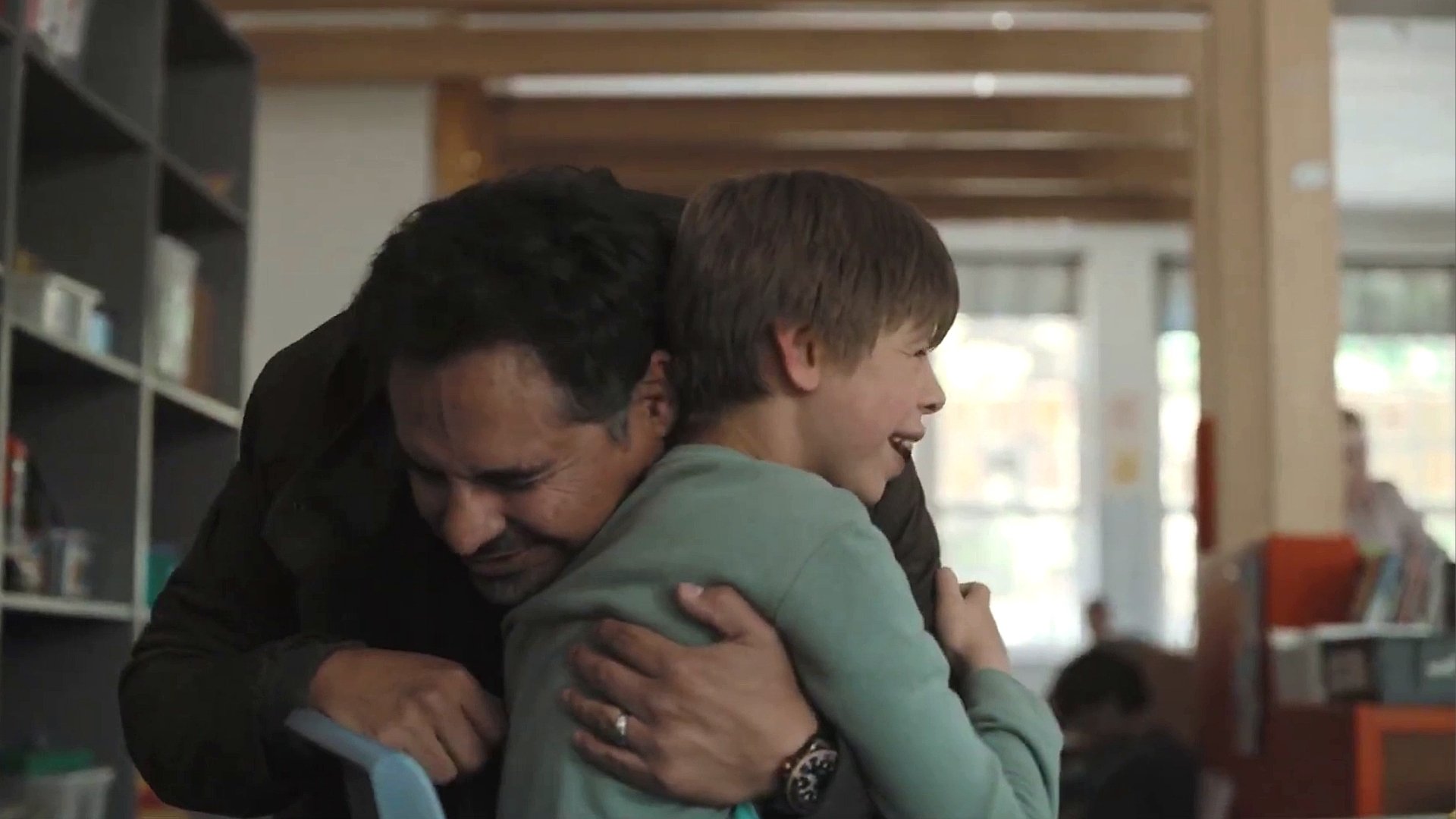
Based on Andrea Mara鈥檚 book of the same name, this show centers on a kidnapping and explores parenting relationships, work, and gender roles across families with stark economic class differences.Through cutting dialogue and the depiction of two key marital relationships, it聽 illustrates the mental load that women often carry in parenting, arranging playdates, making connections with other families, and running a household. The show also considers how far parents will go to ensure their children receive the education, care, and love they deserve.
In contrast to the affluent families where women carry the load alone, the series also focuses on the middle-class life of Detective Alcaraz, his wife, Casey, and their 13-year-old mostly nonverbal autistic son, Sam. The show acknowledges Sam鈥檚 joy, agency, and strengths, and this element of the story was series creator Megan Gallagher鈥檚 own experiences as the parent of an autistic child. The detective is a loving, hands-on father; he and Casey trade off care when Sam is not in school and try to actively nurture him. They want to move Sam out of his overcrowded public school and into an exclusive school better suited to his needs.聽 But they can鈥檛 afford the change without a scholarship, leading the detective to make a compromised鈥攁nd relatable鈥攄ecision.
Comedy drama series
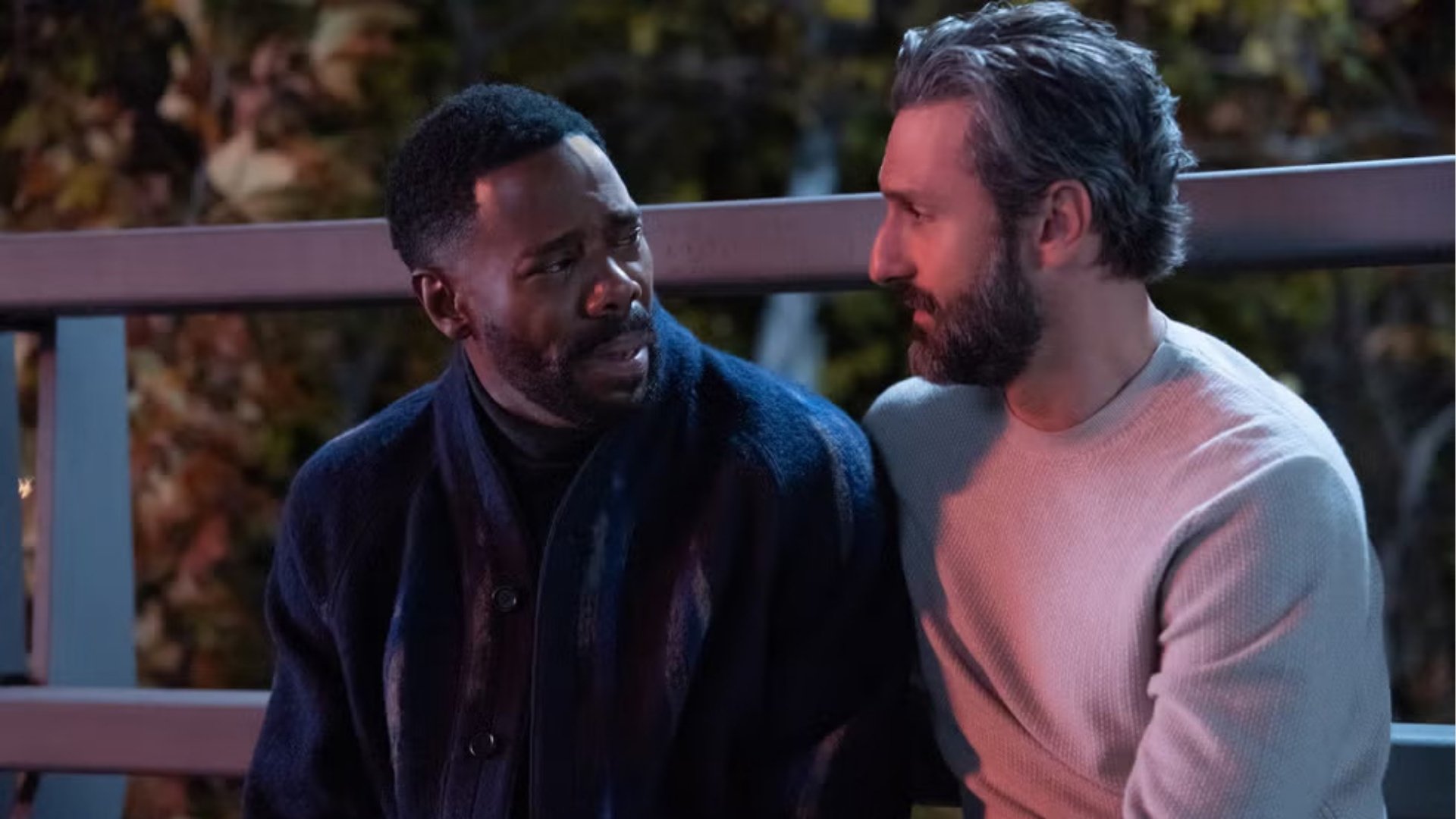
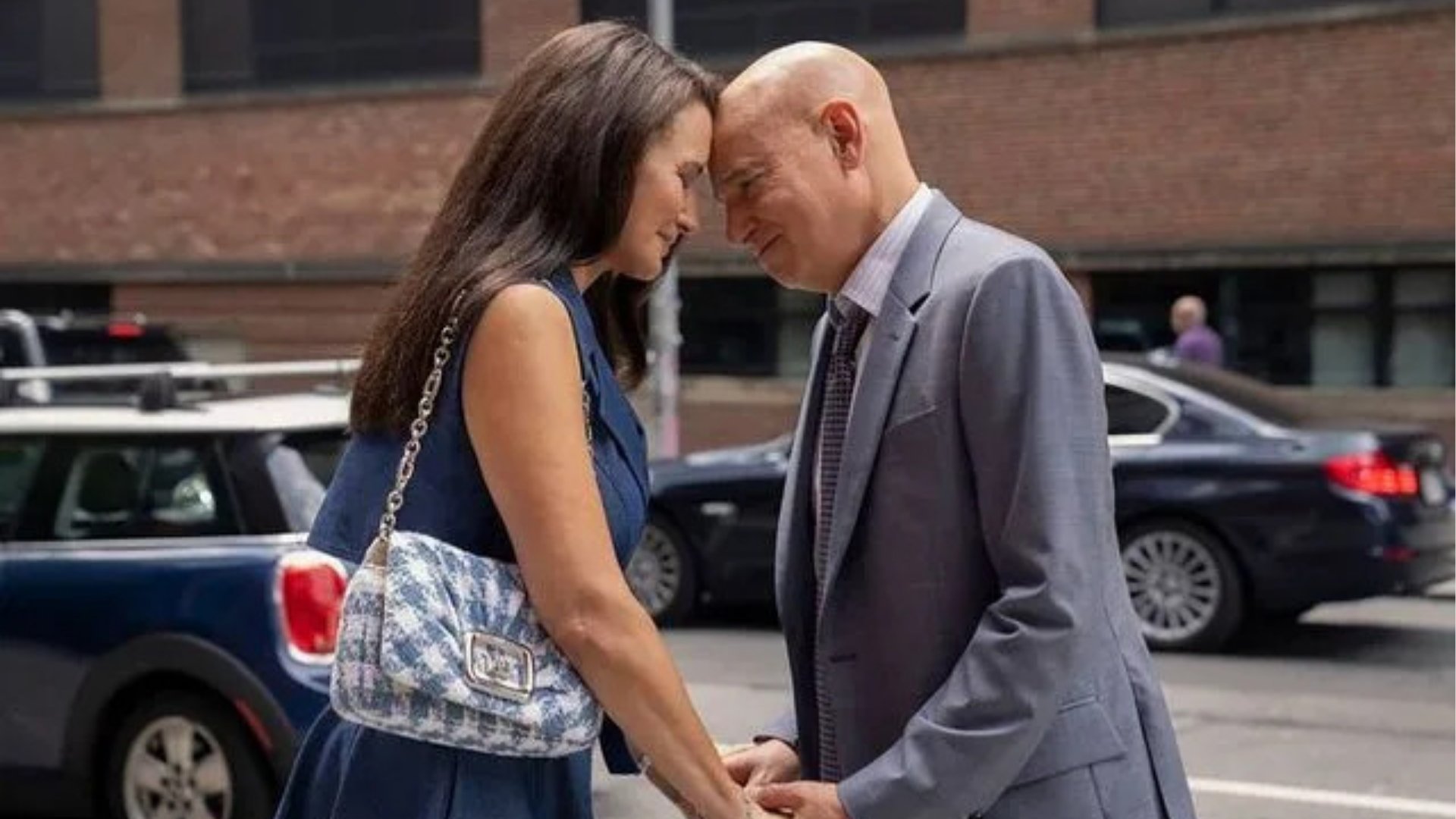
In the third and final season of And Just Like That, viewers see the isolation that can come with managing a loved one鈥檚 care alone. In episode five, Harry reveals his cancer diagnosis to Charlotte, his wife, but asks her not to tell anyone because he doesn鈥檛 want to be treated like a 鈥渃ancer guy.鈥� Charlotte tries her best, but feels stressed. She has to lie to a friend she runs into at the hospital and is finally caught and breaks down crying when she runs into her best friend downtown buying Depends underwear for Harry. The lie builds in a series of comedic misadventures until finally Harry realizes that he鈥檚 put Charlotte in an unfair position and tells her friends about his condition. The arc illustrates that caregivers, too, need support鈥攁nd reminds us that needing care isn鈥檛 something to be ashamed of.
Sci-fi anthology series
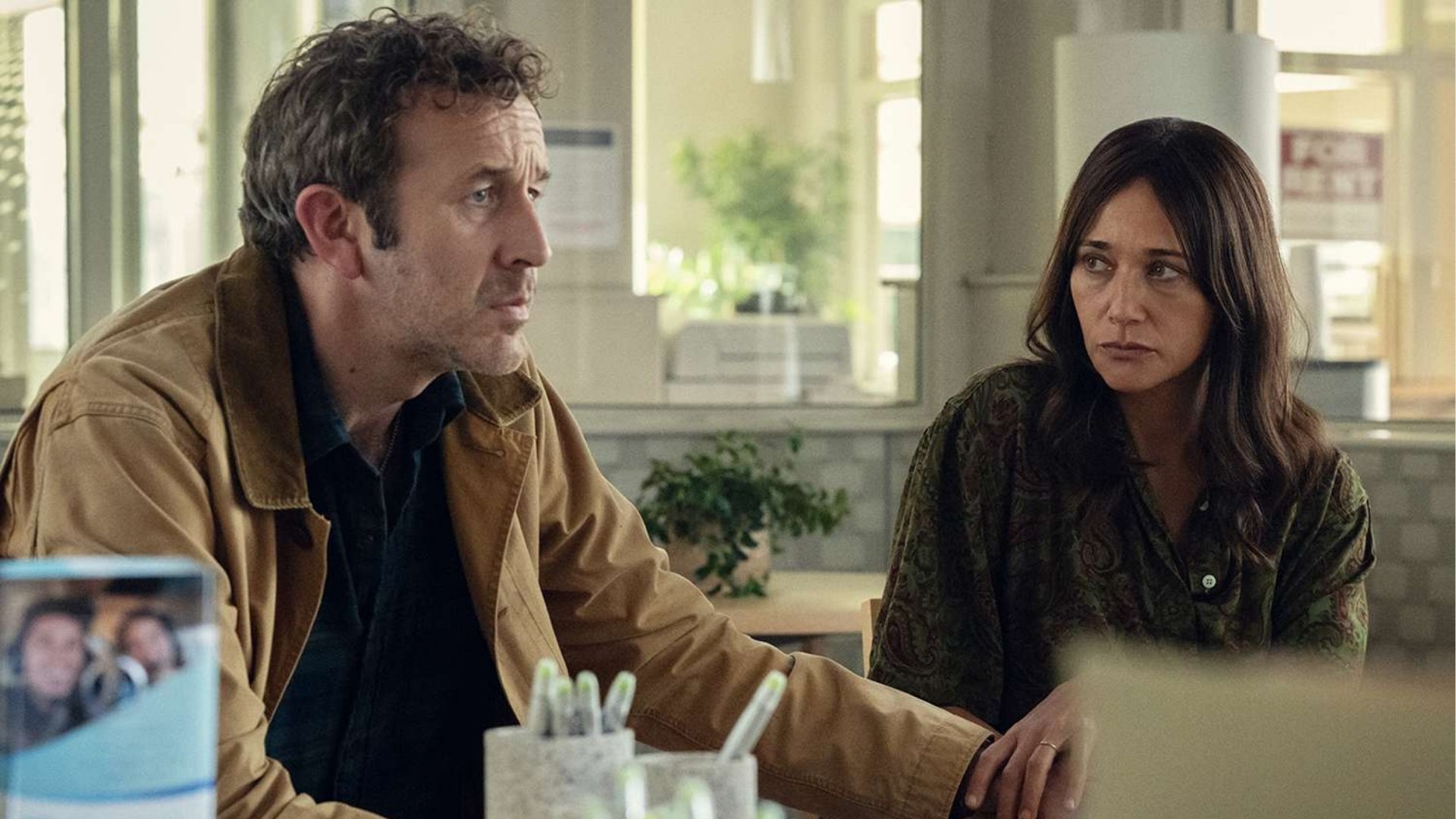
In episode one of Black Mirror鈥檚 seventh season, Amanda, a teacher, collapses in front of her classroom and is diagnosed with a brain tumor. Her husband, Mike, agrees to have a medical device implanted in her brain to save her, only to learn that the device manufacturer extorts patients by making its own tech obsolete and escalating its fees. Mike works overtime but still cannot afford the costs of maintaining Amanda鈥檚 care on his blue-collar salary. He goes to extraordinary measures to raise the money to keep her alive until the two of them are left with an impossible, horrible choice. This speculative sci-fi underscores the evil of health care profiteers, darkly illustrating the financial pressures that families face in a pay-to-play system and the sacrifices that care in America too often requires.
Comedy drama limited series
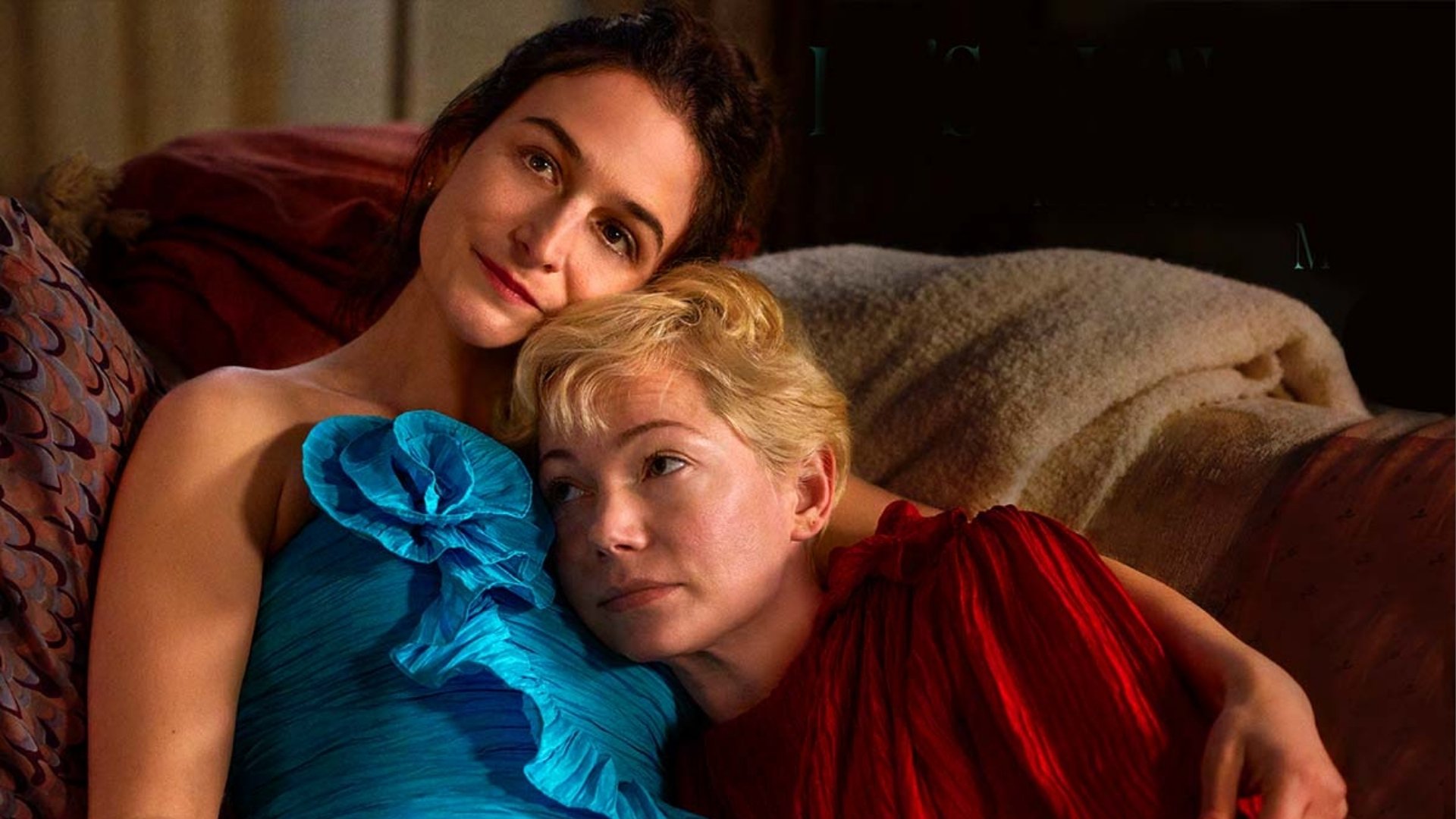
After receiving a terminal cancer diagnosis, Molly embarks on a journey of sexual discovery and turns to her best friend, Nikki, to be her wingwoman and primary caregiver. The show uses humor to illuminate the sometimes overwhelming work of care administration as well as the trade-offs that caregivers often make: Nikki loses a job when she is late to work one too many times due to care responsibilities. Rather than dwell on this professional cost or frame care as a burden, though, Nikki relishes the opportunity to deepen their friendship. A fuller care circle forms around Molly, including social worker Sonya, her mother Gail, her ex-husband Steve, and her sometimes-lover, 鈥淣eighbor Guy,鈥� who support her end-of-life journey and her self-advocacy along the way.
Comedy drama limited series
One of four sets of friend couples who take a series of trips together, Danny and Claude end up confronting their feelings about aging and care after Danny is diagnosed with a heart condition. Claude instinctively takes on the role of caregiver and gets frustrated with Danny for prioritizing his work and social life over his health, while Danny feels smothered by the constant concern and attention. Their arc culminates in a conversation that both reflects their growth as characters and helps show the importance of frankly discussing uncomfortable topics: aging, health concerns, and how we want to care for others and be cared for.
Procedural crime drama
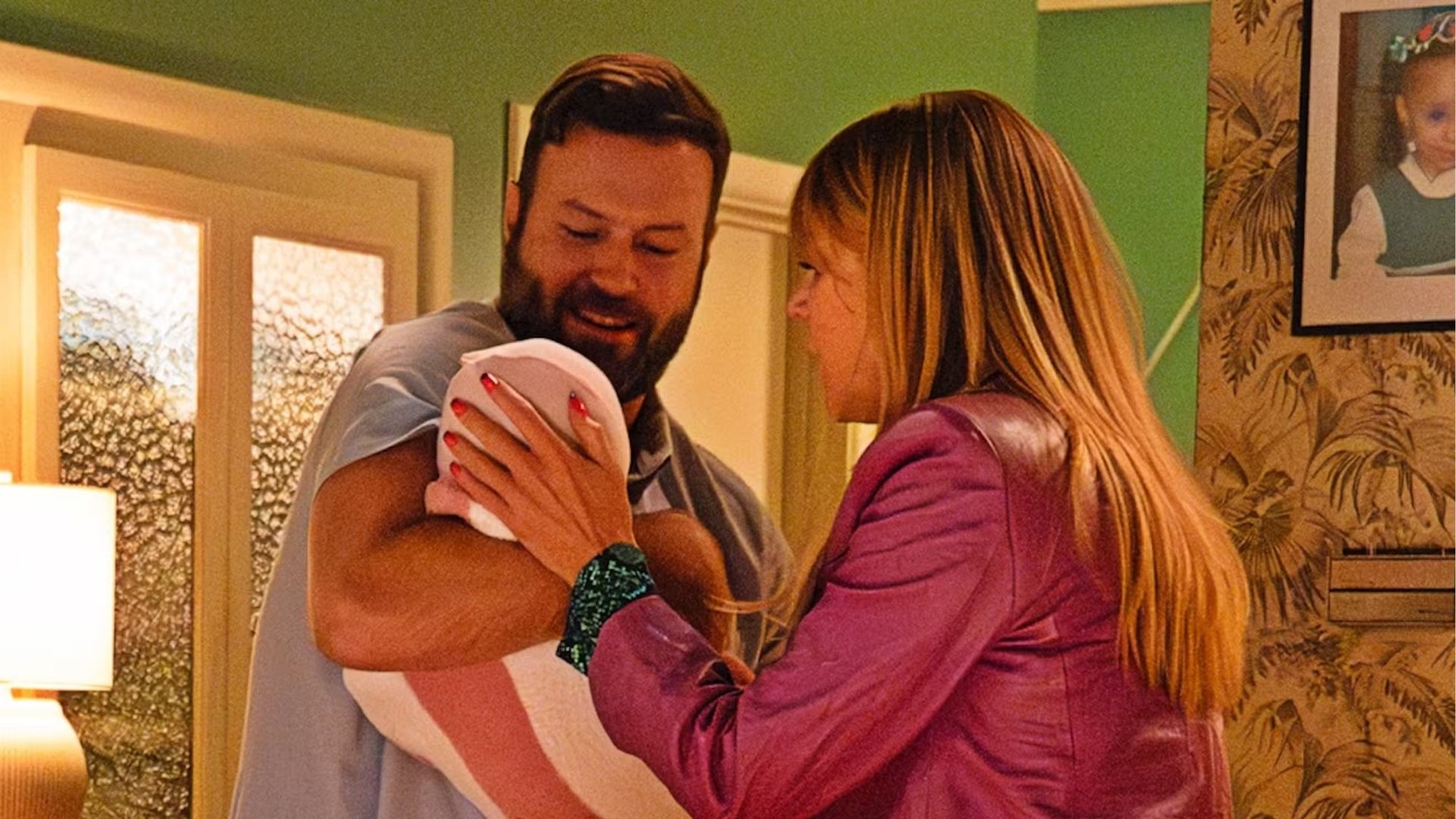
This network drama depicts Morgan, a divorced mom of three children, working as an investigator for the Los Angeles Police Department. In the first season, Morgan negotiates a child care stipend at her job that she uses to pay her ex-husband, Ludo, to care for their infant daughter, Chloe. Ludo must manage his job as a driving instructor alongside household tasks as well as caring for Chloe and the couple鈥檚 two other children, pre-teen Elliot and teenage Ava. In season one, episode 12, Morgan works longer than normal hours and asks Ludo to pick up the slack without fully appreciating his competing obligations. While caring for the children, Ludo feels faint and collapses. He hasn鈥檛 eaten and is struggling to balance his work with family caregiving responsibilities. In showing the strain on Ludo, High Potential demonstrates that managing work and care is hard for dads as well as moms. The show also models how two parents can recognize and support each other鈥檚 needs, even when they are no longer a married couple.
Medical drama
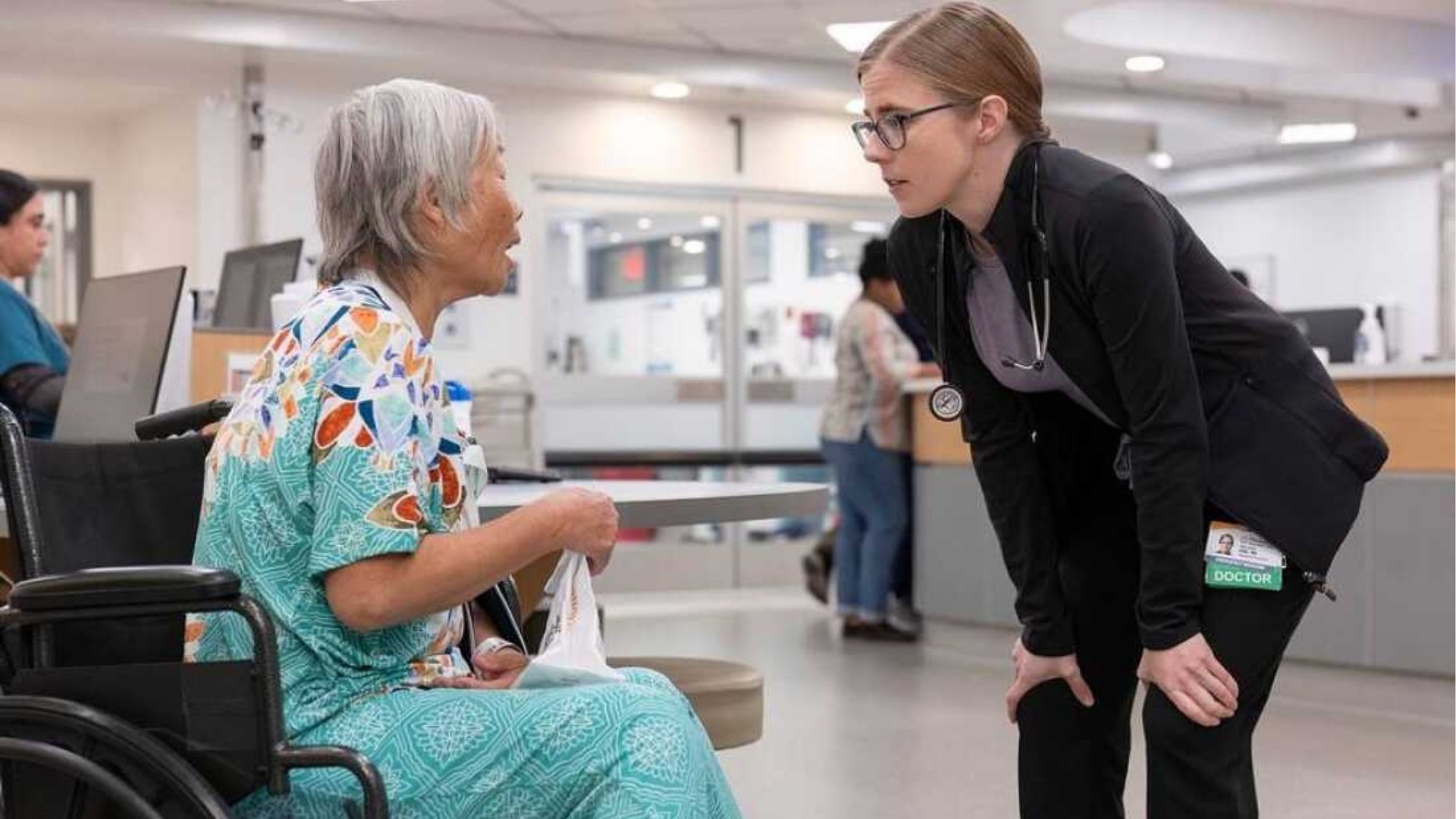
This series, set in an underfunded Pittsburgh hospital鈥檚 emergency department, explores many topical issues in its first season including family caregiver burnout. In episode four, when Rita brings in her mother, Ginger, for treatment after a fall, she confides in Dr. Melissa King that she struggles to manage Ginger鈥檚 Parkinson鈥檚 disease as the primary caregiver at home without other support. Dr. King offers a rare on-screen suggestion for their family to look into social benefits that could provide respite care, and in episode eight, Rita learns that the hospital social worker has arranged 10 hours per week of respite care for them. This is notable even though the story doesn鈥檛 get the policy details quite right, referencing Medicare (a social insurance program that covers medical, but typically not respite, care) rather than Medicaid (a means-tested health insurance program that does offer respite care, though often with long waitlists). Dr. King, herself neurodiverse, is also the primary family caregiver for her autistic sister, who lives in a care facility. She draws on that experience to make the ER more accessible for a neurodiverse patient.
And Dr. Cassie McKay is a single mother who unexpectedly has to parent during her shift, making visible the juggling that working parents often do. Dr. McKay also comforts a mother experiencing homelessness who feels hopeless by reassuring her that she is a good parent, and models respectful care for this patient when another doctor rushes to intervene with services the patient doesn鈥檛 want.
Dark comedy limited series
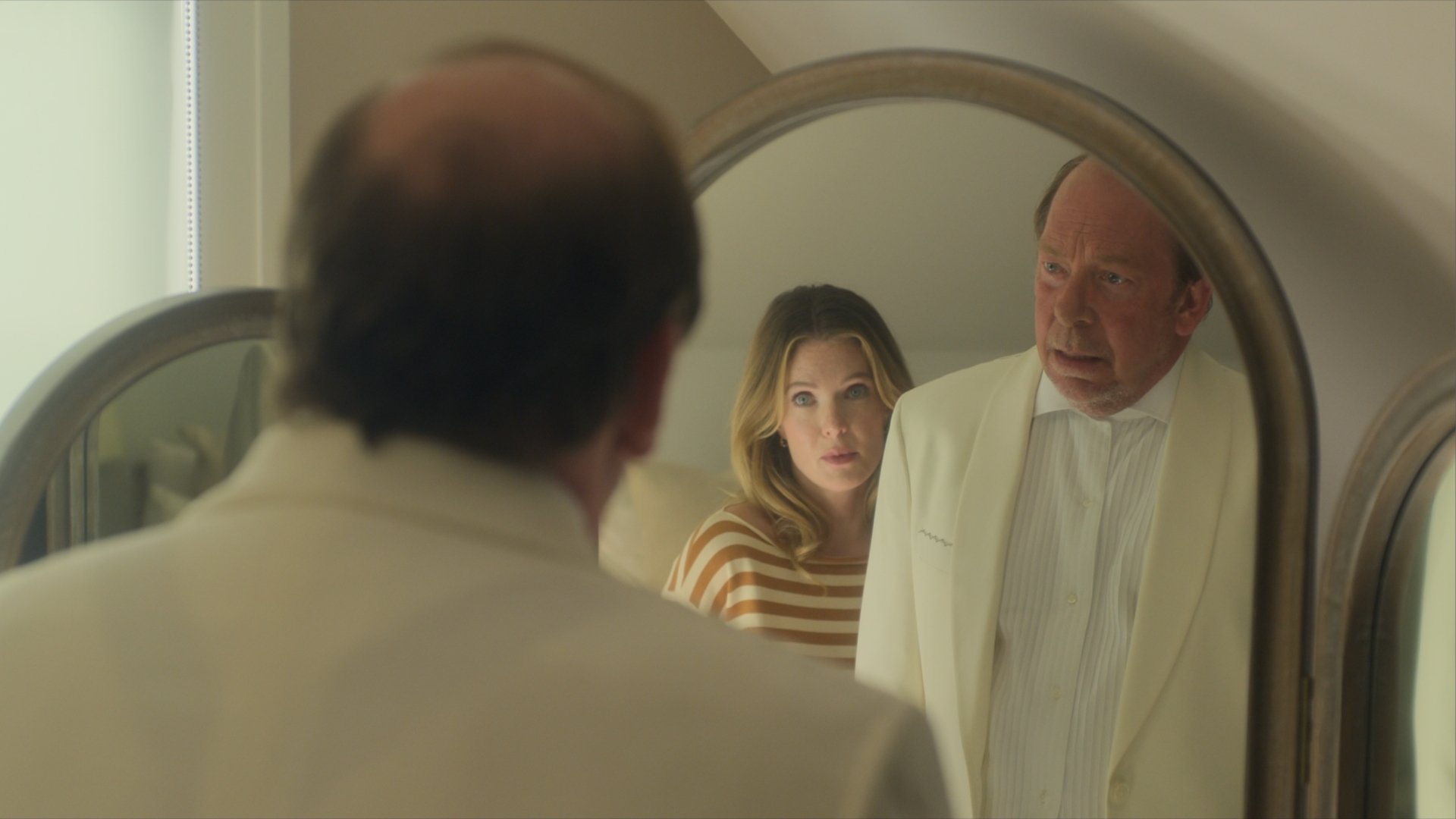
Devon is a Millennial caregiver living at home with her dad, a veteran recently diagnosed with dementia. A well-intended but ill-timed gesture sets Devon on a path to confront her younger sister, Simone, for getting caught up in work and leaving Devon to handle everything alone鈥攔eflecting a common sentiment between siblings regarding a parent鈥檚 care. Their arc goes deeper when we learn that Devon raised Simone because their father was absent during Simone鈥檚 childhood. Simone has a hard time showing up for a parent who abandoned her, illuminating the ways that complicated parent-child dynamics can play out when care needs arise.

Crime drama limited series
Set in a blue-collar Pennsylvania town outside of Philadelphia, this compelling story about robberies, drug money, and murder follows two families in which flawed, grieving fathers try to run their households鈥攁nd rely on young women to pick up the slack when they fail. Robbie, a sanitation worker turned criminal, is raising his two young kids after his wife has left, with significant help from his 21-year-old orphaned niece, Maeve. Robbie loves his children but is ultimately more focused on revenge than parenting. Maeve arranges her afternoon work shifts so that she can pick Robbie鈥檚 children up from school鈥攔elatable care logistics that audiences rarely see on screen. Maeve also looks after a boy whom Robbie kidnaps at a murder scene.
In the other household, FBI agent Tom is raising his teenage daughter, Emily, who is grieving the death of her mother and the incarceration of her brother, working an hourly job while going to school, and managing her father鈥檚 alcoholism. Emily is the family鈥檚 true caregiver, and it strains her mental health. The show does a wonderful job of showing the support Emily receives from her therapist as she cares for her father, her sister, and the kidnapped boy once he is placed in foster care with her family. What鈥檚 unique about Task is how care is woven into these characters鈥� lives, making them all more interesting and relatable amid a crime plot.
Honorable Mentions:聽
Senior Fellow for Gender Equity, Paid Leave & Care Policy and Strategy, Better Life Lab
Director of Culture Change,l Caring Across Generations