
A Microfinance Bubble? Private Equity Investment Suggests Otherwise

We鈥檙e noticing resurgent chatter about a with speculating that high default rates in Pakistan, Nicaragua, and Morocco 鈥� which have shaken up MFIs in those countries 鈥� are signs of a growing pandemic in the industry. In particular, this gloomy news seems to be fomenting a creeping anxiety that the , which has the largest microfinance market in the world with 25 million participants and a population of nearly 1.2 billion.
Most people warning of a potential Indian microfinance bubble point to several dangerous existing conditions in the country: an MFI market with lots of competition, creating lower loan fees/prices/profits with an increasingly high loan volume (often with liberal credit checks), a lack of formal credit agencies to monitor and coordinate loan activities for lenders, and domestic consumers who have over leveraged themselves with multiple loans, often taking one to repay the another. These conditions combined with the rapid expansion of the microfinance market over the last few years, has created growing concern about the sustainable health of the microfinance industry in India.
On the other hand, private equity investment in the microfinance industry 鈥� India in particularly 鈥� . It seems that many private equity firms are betting on microfinance as a long term investment strategy, even as the effects of the global recession continue. Indeed, this private investment in the industry is continuing beyond the already robust markets in India, Latin America and elsewhere. from Microfinance Focus explores the expanding role that microfinance is playing in a still-fragile Iraq. According to their analysis, Iraq鈥檚 microfinance sector looks very bright, even though the country continues to be hampered by social, political, and military instability. Private investment into the industry is projected to increase substantially as MFIs and state regulatory bodies strengthen industry standards.
In a with Microfinance Focus, Ashish Lakhanpal, director of Kismet capital, reiterated the strength of the Indian microfinance market saying, 鈥淲e see a very high credit quality and portfolio risk remaining very low, brings a lot of interest in the sector. From the investment perspective you have got a large market opportunity, you have got a sector that is relatively underpenetrated, maybe 12-16 percent or maximum 20.鈥� While he did note some short-term concerns, Lakhanpal believes 鈥淭here is a lot of interest from venture private equity and even public markets. They see it as a very good investment opportunity. So the outlook for this sector is strong over the medium and long term.鈥�
While a heightened level of default risk is to be expected in a fully competitive microfinance market as loan standards become more liberal, the microfinance sector in India and beyond still seems to be in good shape. should help make loans more even more secure. However, if private equity groups are wrong and a microfinance bubble does burst in India, serious damage could be done to a seemingly healthy industry.
More 国产视频 the Authors
Issues
Programs/Projects/Initiatives
Topics
Related
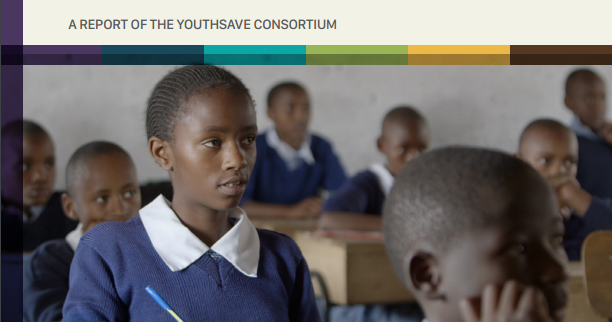
85,000 Low-income Youth Open Savings Accounts through YouthSave
A Conversation on the Weekly Wonk: Should We Bank On It?
Global Anti-Poverty Targets Tepid