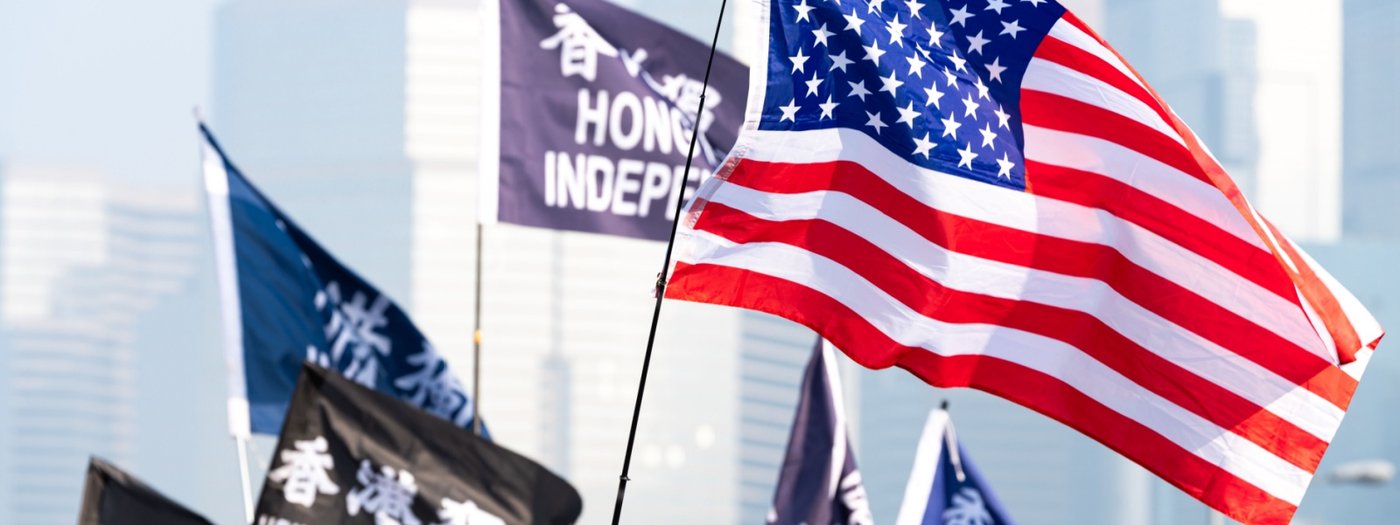
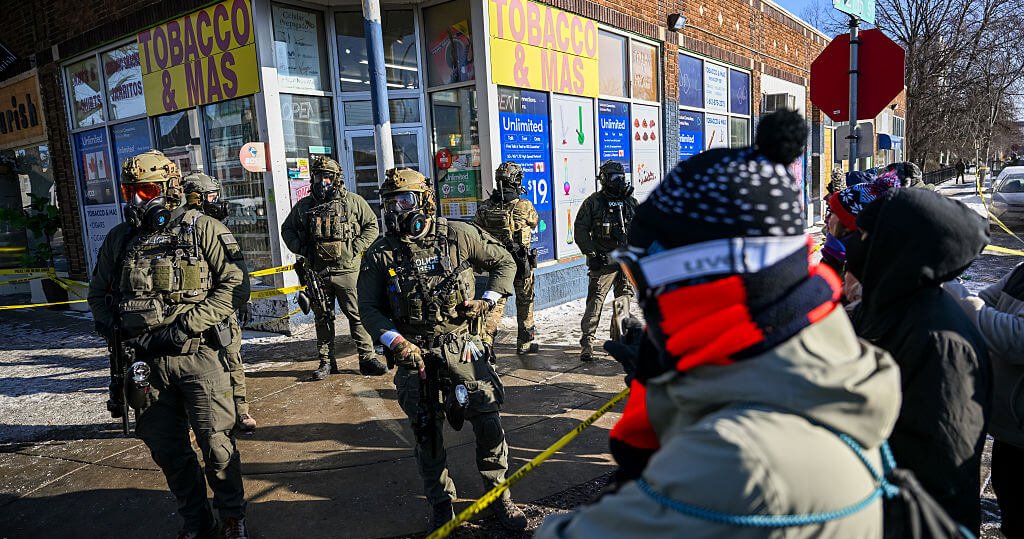
It鈥檚 been over four years since as the fueled waves of hate speech and misinformation on social media against the broader Asian American and Pacific Islander (AAPI) community. The online exchanges spilled over into the real world, leading to a against Asian Americans. My parents, originally from Hong Kong, were living in the Pacific Northwest during this time. Surrounded by pro-Trump flags near their rural home, they rarely ventured outside, prioritizing their health and also their safety. Their online group chats were the only source of solidarity as they endured glares and overheard racial slurs while running errands nearby.
Despite 国产视频 role in sparking this rise in anti-Asian hate, in November 2020, the aunties, uncles, and friends I grew up with鈥攁nd many other Hong Kong Americans鈥�. It sounds self-defeating that they would vote for a president who disparaged them and put a target on their backs. But as immigrants, their choice was heavily influenced by what they consumed online from both the U.S. and from Hong Kong. Like many other communities of color with connections abroad, my family exists with a foot in two cultures, sometimes navigating political divides. This duality extends to the digital realm, presenting a complex challenge for our safety, particularly amid the rising anti-Asian sentiments in the U.S.
My parents immigrated to the United States from Hong Kong before the British handover to China in 1997. I was born and raised in the U.S. during the dot-com boom when the internet was ushering in a new age of possibilities. For my parents, this meant social connectivity, a thread to their distant families and past lives. Social media鈥攁nd eventually messaging apps鈥攔eplaced expensive overseas phone calls, and the convenience and ease of sharing moments digitally helped maintain connections to friends and family who remained in Hong Kong. In this way, we were tethered to Hong Kong through these exchanges.
The joy of digital reconnection for my family and others has been gradually overshadowed by political shifts, as digital rights and freedoms in Hong Kong began to erode. As the Chinese Communist Party took steps to strengthen control over Hong Kong鈥檚 central government, Hong Kongers continued to access Facebook, YouTube, and online media outlets even as they were banned on the mainland by the . Years of crackdowns on , attempts to , and protests came to a head in 2020 when China passed a sweeping , enshrining the practice of . A to the law mandates online platforms to ban accounts and users that post illegal content related to crimes like sedition and treason, which are purposefully vaguely defined. Beijing鈥檚 attempt to exert more control over Hong Kong through the national security law has since online and offline, as well as Hong Kongers worldwide.
My family felt the ripple effects of the national security law immediately. Taking the lack of defined boundaries of government surveillance and censorship into account, and influenced by the in Hong Kong, my parents quickly shifted their group conversations to Signal and Telegram for their end-to-end encryption features. My dad self-censored on Chinese-owned platforms like WeChat, limiting his conversations with his sister to be as apolitical as possible. My mom stopped sharing pro-democracy content with friends and family in Hong Kong for fear of leaving a digital trail that could . Pro-democracy media outlets like were forced to close, beginning the process of curtaining off Hong Kong from my parents and the rest of the world. Though much of everyday life in the U.S. remained the same, their relationships with friends and family in Hong Kong started becoming more careful, deliberate, and ultimately more distant.