
Abbott and FEMA Are Using Harvey to Reinvent Disaster Response
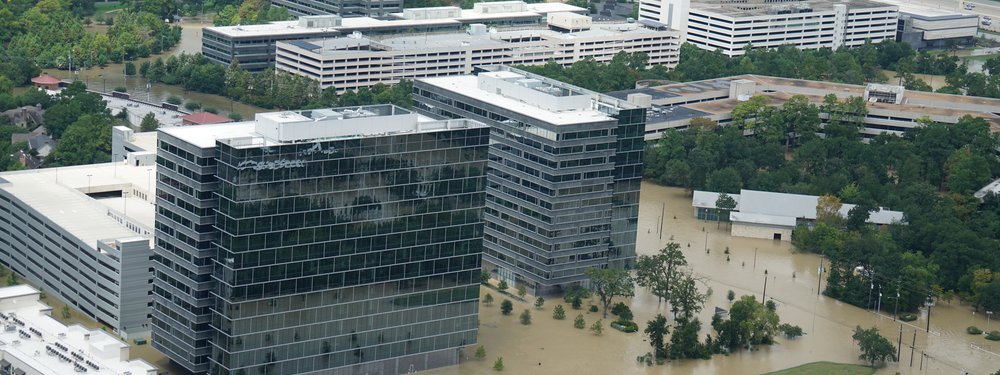
ROCKPORT 鈥� In the weeks immediately after Hurricane Harvey, thousands of Texans lingered in emergency shelters, small coastal communities scrambled to restore electricity and entire neighborhoods sat swamped with moldy mounds of housing innards.
As more than half a million families sought disaster relief aid and damage estimates surpassed the $100 billion mark, the Federal Emergency Management Agency worried that it didn鈥檛 have the capability to handle what was quickly becoming the听, according to Gov.听鈥檚 office.
So Abbott tasked the state鈥檚 General Land Office with a job that typically falls to FEMA: running short-term housing programs for Harvey victims. That undertaking includes everything from lining up contractors for minor repairs to securing trailers for displaced families.
Abbott, Texas Land Commissioner听听and FEMA officials touted the unprecedented arrangement as a way to rewrite the nation鈥檚 disaster response playbook.
鈥淲e are energized by the opportunity,鈥� Bush told lawmakers in October.
But six months after Harvey slammed the Texas coast as a Category 4 hurricane and dropped historic rainfall on large swaths of the state, that initial public optimism has crashed against the reality of trying to re-engineer an听听辞蹿听.
More than 890,000 families sought federal disaster aid in the three months after Harvey hit 鈥� including more than 40,000 who needed short-term housing help. Yet more than 100 days after Harvey鈥檚 landfall, the General Land Office had provided short-term housing to fewer than 900 families.
And by the time the GLO contacted more than 33,000 families for the short-term housing help they sought, those Texans had made other arrangements. Many officials fear an untold number of people are living in moldy, unrepaired homes.
The new process was delayed from the beginning: Abbott didn鈥檛 tell Bush鈥檚 office about the plan until 19 days after the storm鈥檚 Aug. 25 landfall 鈥� and one day before the governor and FEMA officials publicly unveiled it.
Federal records suggest that state officials almost immediately had concerns that hiring and training the necessary personnel would require additional time.
鈥淭he program probably didn鈥檛 get started as quickly as any of us would have liked, but it is new,鈥� FEMA coordinating officer Kevin Hannes told The Texas Tribune.
The state-led plan was raising alarms from federal officials as well. The Department of Homeland Security鈥檚 Office of Inspector General said in a Sept. 29 鈥渕anagement alert鈥� that because FEMA still hadn鈥檛 developed policies and procedures for the disaster recovery efforts, officials in hard-hit communities had been forced to develop housing plans themselves on a 鈥渄isaster-by-disaster basis.鈥�
鈥淭he problem is no one really understands how FEMA works,鈥� Rockport Mayor C.J. Wax said at a Texas Tribune event in October. 鈥淲hen you don鈥檛 understand how they work, then how can they understand what our needs are?鈥�
Six months after Harvey caused an estimated $200 billion in damage, more than听听and another 2,000 households have received temporary housing, such as mobile homes and trailers. 国产视频 5,000 families are getting basic emergency repairs done to their homes through the GLO, while听
Lawmakers grilled Bush about the short-term housing programs at a hearing in Corpus Christi days before Christmas. He pointed to five chokepoints he said his office and FEMA were working to overcome. But he also portrayed their efforts as a learning process that will have long-term benefits.
鈥淲e think we鈥檒l have a model for temporary housing for the next storm,鈥� he said.
That brought little comfort to听听still scrambling to rebuild hotels and reopen damaged businesses in time for the tourism season that can make or break local economies.
鈥淭hat鈥檚 important, but that puts my citizens as the guinea pigs,鈥� Wax said.
Port Aransas Mayor Charles Bujan estimates that his town, where up to 85 percent of the homes and virtually every business sustained Harvey damage, is probably about 40 percent of the way through its recovery.
With spring break just weeks away, the anxiety is growing in Bujan鈥檚 town.
鈥淚f you have 50,000 people come into town, where are they going to eat at, where are they going to stay?鈥� said Andrea Gallegos, who manages a local RV park. 鈥淏ut if they don鈥檛 come, how are we going to pay our bills?鈥�
Neighborly Support
As state and federal officials struggle to get ahead of the massive task in front of them, spontaneous networks of neighbors and charities have stepped in, buoying displaced Texans struggling not to get lost amid the collision of Mother Nature and American bureaucracy.
In Rockport, a frigid December rain thumped tarps, tents and trailers scattered across a wooded 3.5 acres of land just off Farm to Market Road 3036. For months after Harvey rocked Aransas County鈥檚 beachfront communities, dozens of displaced families camped here, at what鈥檚 officially known as the Rockport Relief Camp on the north end of town.
That number is now down to about a dozen people. But the camp remains the staging ground for donated items 鈥� from clothes and blankets to diapers and baby formula 鈥� that routinely get matched with residents who lost virtually everything they own.
鈥淭here are so many people in Rockport right now living in one room because that’s the place where the roof doesn鈥檛 leak quite as bad,鈥� said Sam McCrary, who owns the land on which the camp sits.
The 46-year-old鈥檚 catering and event business in town, the Mermaid Kitchen, was destroyed by the storm. But the house she bought just months earlier sustained little more than shingle damage. McCrary received updates about her town鈥檚 extensive damage as she sheltered in Nacogdoches and decided to turn her land into the town鈥檚 lifeline.
鈥淚 contacted everybody I knew and said, 鈥楬ey, this is what I鈥檓 going to do, send me some money,鈥欌�� she said this week.
After raising $5,000 in 24 hours, McCrary returned home three days after the hurricane came ashore with a travel trailer packed with bottled water, food, chainsaws and shovels 鈥斕�淎nything we could think of that we knew people were going to need immediately,鈥� she said.
Within days, McCrary was serving meals to hundreds of people a day. She estimates the number of people stopping by for meals peaked at about 1,100 at one point. Before too long, people were encouraging her to run for mayor. She thought about it. Then she thought again.
鈥淚 could accomplish more with what I鈥檓 doing here than I can at City Hall,鈥� she said. 鈥淥ut here I鈥檓 a loose cannon. I do whatever the hell I want to.鈥�
Crash Course in FEMA Procedures
When a natural disaster strikes anywhere in the United States, the three federal agencies that primarily oversee and distribute housing recovery money are the Small Business Administration, the U.S. Department of Housing and Urban Development and FEMA.
The SBA provides homeowners low-interest loans of up to $240,000 to repair damaged homes and replace destroyed personal property and vehicles. That agency approved more than $1 billion worth of loans in the first two months after Harvey.
HUD oversees long-term recovery efforts that include replacing destroyed homes and rebuilding damaged roads and government buildings. So far, Texas is set to receive $5 billion in HUD disaster relief aid. It will also receive a still-undetermined cut of听听that Congress approved earlier this month, to be split between states and territories impacted by hurricanes and wildfires last year.
FEMA鈥檚 chief goal has traditionally been to provide short-term relief, including everything from hotel rooms and money for minor home repairs to trailers where people can live until they receive government grants or save enough to rebuild on their own.
Turning that job over to the Texas General Land Office required state staffers to get a crash course on FEMA procedures and regulations. Then the GLO had to negotiate contracts with a host of entities, from FEMA itself to local governments to individual contractors who would start repairing homes with minor damage.
It鈥檚 unclear how much the ramp-up period delayed getting Harvey victims into trailers, mobile homes or apartments 鈥� or how the number of Texans currently living in or waiting for short-term housing compares to the six-month anniversary numbers of previous storms.
As thousands of Texas families remain displaced, the GLO is already working on a new disaster response handbook Abbott and Bush have promised. But the history of American disaster response is littered with unheeded recommendations.
Some best practices that grew from previous storms 鈥� including a recommendation to have government partnerships and vendor contracts in place before a disaster strikes 鈥� have not been followed for Harvey.
鈥淚t seems like every event there are lessons to be learned, and then we relearn them after each event,鈥� said Brittany Eck, a spokeswoman for the GLO.
Local officials across the battered Coastal Bend have fiercely criticized the Harvey response plan, which they blame for months-long delays in helping their displaced residents. But their ire isn鈥檛 aimed at Abbott or the GLO. Instead, it鈥檚 virtually all focused on FEMA.
鈥淭hey may have very well set you up to fail,鈥� Bujan, the Port Aransas mayor, told lawmakers in December.
Coastal Residents Weigh Whether to Stay or Go
In Port Aransas, Gallegos, who lives and works at the Marina Beach RV Park, can rattle off myriad hurdles she and her neighbors have faced in getting federal or charitable aid after Harvey tore through this Gulf Coast beach town.
Even using a maiden name instead of a married name on paperwork can gum up the process, she said.
鈥淚t鈥檚 pretty desperate down here,鈥� Gallegos said.听
After being turned down for Red Cross assistance and an SBA loan, Gallegos was still waiting to hear about her FEMA application more than three months after the eye of the hurricane slammed into nearby Rockport. Gallegos said she had to justify to the agency why her mailing address was a post office box. And even after she explained, six weeks passed with no apparent progress on her application.
鈥淚t鈥檚 repetitive, silly stuff to brush you off,鈥� she said. 鈥淚 think what they鈥檙e trying to do, which is almost the point, is to get you to just give up.鈥�
Harvey shredded Gallegos鈥� mobile home, which her family bought after selling their house in San Antonio so they could live full time in their favorite vacation spot. Gallegos said she received just enough insurance money to pay off the outstanding debt on the destroyed home, but not enough to make a down payment on a replacement.
Luckily, she said, a local nonprofit named Homes for Displaced Marlins gave her family $5,000 for a new mobile home. The charity was formed after Harvey and originally aimed to raise $400,000 to buy mobile homes for 20 families. By early this month, it had raised almost $1 million and helped 48 families.
With her family in a new home, Gallegos鈥� worry turned to the rest of the town. The storm shuttered so many businesses that many of her friends no longer have jobs. Others didn鈥檛 have homes. Many had already scattered to start new lives in places from North Texas to California.
鈥淚t鈥檚 like you鈥檙e trying to run a tourist vacation town on 10 percent, if that,鈥� Gallegos said.
But even with demolition crews tearing down damaged restaurants and hotels empty except for construction workers, Gallegos said she and her family are staying.
鈥淵ou can鈥檛 just walk away from a whole town,鈥� she said.
‘We Don’t Have a Clue’
State and federal officials have said it for months: For the recovery to succeed, it鈥檚 going to have to be locally driven. But up and down the Texas coast, mayors and county commissioners from the hardest-hit areas have repeatedly complained to state lawmakers about not having access to FEMA data that would tell them how many homes in their towns were damaged and how many people have been given or denied federal assistance.
鈥淲e don鈥檛 have a clue,鈥� Fulton Mayor Jimmy Kendrick testified at a committee hearing in December. 鈥淲e can鈥檛 tell you how many people are living here right now.鈥�
Due to federal privacy law, FEMA typically won鈥檛 provide certain data to other agencies until their employees obtain a certain level of security clearance. And many small communities that bore the brunt of Harvey鈥檚 winds don鈥檛 have technology sophisticated enough to store and protect so much sensitive information 鈥� or the resources needed to quantify and track the kind of extensive damage Harvey unleashed.
鈥淎 local little city like ourselves, you don鈥檛 have that expertise,鈥� said Bujan, the Port Aransas mayor.
Meanwhile, the GLO鈥檚 agreement with FEMA prevents state employees from sharing the data that local leaders are requesting.
鈥淲e can鈥檛 exactly share the criteria by which applicants are being declined,鈥� Bush, the land commissioner, told lawmakers when asked why hundreds of thousands of families had been denied assistance.
While Bush鈥檚 agency can鈥檛 share the reasons why, it knows how many people in each community have been denied short-term aid, and that will help local leaders quantify how much money they鈥檒l need from HUD鈥檚 long-term recovery grants, said Eck, the GLO spokeswoman.
鈥淪o that is information that, if we were not involved in this process, we would not have,鈥� Eck said.
The lack of data hasn鈥檛 been local officials鈥� only source of frustration. At state legislative hearings, public events and in interviews, they have portrayed the FEMA aid application process as confusing to people already living with the stress of displacement and property loss.
San Patricio County Judge Terry Simpson told state lawmakers in November that turnover among FEMA staffers compounds the confusion.
鈥淭he faces keep changing, and when you get a new face, you鈥檙e going to get something different,鈥� he said.
GLO staffers began recognizing slowdowns in the disaster aid process as they learned about and implemented FEMA鈥檚 short-term housing programs, Eck said. For example, one housing repair program鈥檚 damage threshold was preventing many Harvey victims from qualifying, and Eck said the the agency successfully got the threshold lowered so more people would qualify.
Other hurdles haven鈥檛 been as easy to overcome. Eck said helping renters has proven difficult because they don鈥檛 qualify for mobile homes (since they don鈥檛 own property on which to put them) and local landlords have resisted offering apartments to displaced people because one of the federal programs prohibits them from running background checks on applicants.
鈥淲e found it was not a popular option,鈥� she said.
‘It’s Overwhelming’
Mario and Rosemary Zamorano are glad to be back in Rockport after Harvey forced them away, though they don鈥檛 want to be living in a mobile home.听But after the estimate to tear down their place came in between $8,000 and $16,000 鈥� it鈥檚 a total loss because of extensive roof and water damage 鈥� they didn鈥檛 even try to figure out the cost of actually rebuilding.
鈥淲hen you start throwing around numbers like that, it鈥檚 overwhelming,鈥� said Rosemary Zamorano, a 36-year-old mother of five.
Their plan now is to have Mario Zamorano, who works in construction, tear down what he can when he鈥檚 not taking other jobs helping neighbors rebuild their own homes, then hope to save enough to rebuild.听
鈥淗e has to work,鈥� Rosemary Zamorano said. 鈥淲e still have bills. It doesn鈥檛 come easy. We have to live day to day.鈥�
It could be months or years before Texans like the Zamoranos know if they qualify for long-term housing grants.听
After months of living with relatives in Corpus Christi, they were among the first families in Texas to receive a mobile home through a short-term housing program that the General Land Office is overseeing. Shortly after, they got a visit from Melania Trump, Karen Pence and a bevy of government officials and reporters who toured the Coastal Bend鈥檚 devastation.
Rosemary Zamorano wasn鈥檛 excited about hosting the horde of officials, but she hoped it would bring attention to the ongoing plight of the town and their neighbors who are still waiting for assistance.
鈥淲e鈥檙e grateful and thankful because we鈥檙e home now in a warm place, but what about all the other people who haven鈥檛 for whatever reason been able to get the help they need?鈥� Rosemary Zamorano said.
When Harvey struck, she said, 鈥淧eople all over the world want to help, but once the stories are gone, that stops as well.鈥�
Earlier this month, Rockport celebrated a major milestone: the 500th reopening of a business that closed after Harvey. That leaves about 800 establishments still closed. But business leaders are pushing to get 500 more businesses up and running before the end of the summer tourism season.听
This season, they鈥檙e promoting Rockport as a place where visitors can enjoy the beach and help fellow Texans muck out houses and hang drywall in shuttered stores. They call it voluntourism. McCrary, who started the relief camp, is now getting her land ready to host church groups and Boy Scout troops who plan to visit the town this summer and help with the recovery.
“If everybody did that, just think how much better the world would be,” she said.
Up and down the coast, optimism is growing as more open and businesses come back in time for the tourists. Still, it could be years before life looks like it did before Harvey.听
鈥淚t鈥檚 not going to be 100 percent,鈥� said Bujan, the Port Aransas mayor. 鈥淚t can鈥檛 be. That鈥檚 just impossible. Just making it as good as you can, that鈥檚 the hardest thing I鈥檓 having to deal with right now.鈥�
This story was produced in partnership with the听听at the听
Chris Essig and Morgan Smith contributed to this story.
Disclosure: The General Land Office has been a financial supporter of The Texas Tribune, a nonprofit, nonpartisan news organization that is funded in part by donations from members, foundations and corporate sponsors. Financial supporters play no role in the Tribune’s journalism. Find a complete list of them听.听
This originally appeared in The Texas Tribune.
More 国产视频 the Authors
Related

Engagement in a Civic Education Desert

Built to Last: How Leaders Are Creating Sustainable Early Childhood Funding

Pre-K Is Having a Curriculum Moment. A Professional Learning Movement Needs To Follow.
