
Algorithms Couldn’t Predict How the Pandemic Would Affect Our Lives
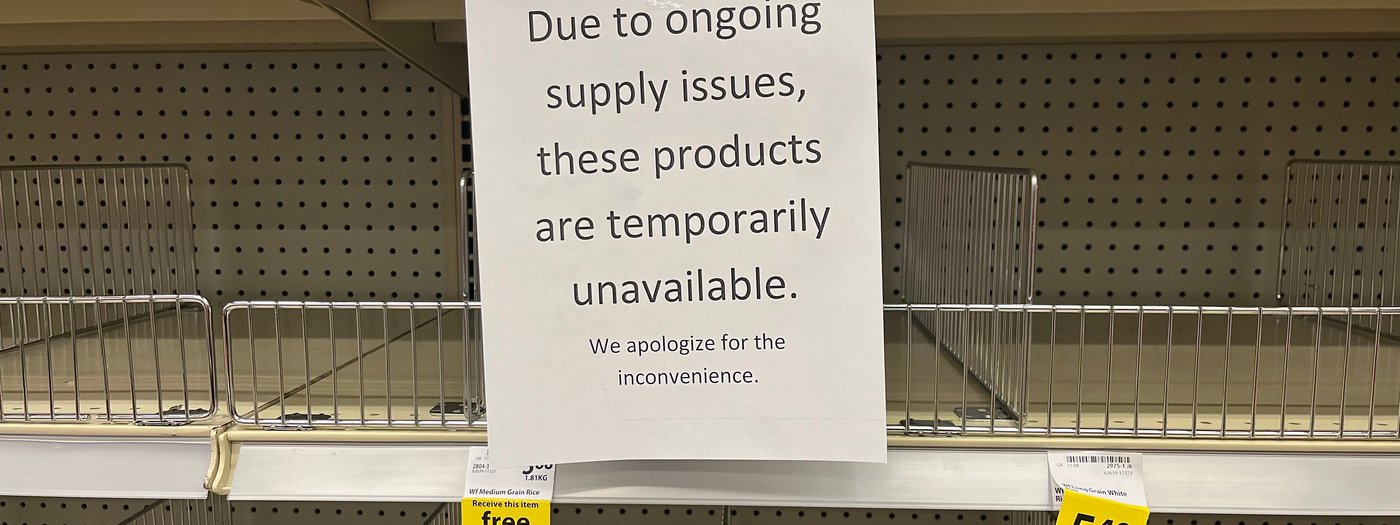
Algorithms have always had some trouble getting things right鈥攈ence the fact that ads often follow you around the internet for something you鈥檝e already purchased.
But since COVID upended our lives, more of these algorithms have misfired, harming millions of Americans and widening existing financial and health disparities facing marginalized groups. At times, this was because . More often it was because COVID changed life in a way that made the algorithms malfunction.
Take, for instance, an algorithm used by dozens of hospitals in the United States to identify patients with sepsis鈥攁 life-threatening consequence of infection. It was supposed to help doctors speed up transfer to the intensive care unit. But starting in spring of 2020, the patients that showed up to the hospital suddenly changed due to COVID. Many of the variables that went into the algorithm鈥攐xygen levels, age, comorbid conditions鈥攚ere completely different during the pandemic. So the algorithm couldn鈥檛 effectively discern sicker from healthier patients, and than normal. The result was presumably more instances of doctors and nurses being summoned to the patient bedside. It鈥檚 possible all of these alerts were necessary鈥攁fter all, more patients were sick. However, it鈥檚 also possible that many of these alerts were false alarms because the type of patients showing up to the hospital were different. Either way, this threatened to overwhelm physicians and hospitals. This 鈥渁lert overload鈥� was discovered months into the pandemic and led the University of Michigan health system to shut down its use of the algorithm.
We saw a similar issue first-hand in the hospital where we both work: We recently published a study examining a health care machine-learning algorithm used to identify the sickest of patients with cancer. Flagging them gives clinicians an opportunity to talk to them about their preferences for end-of-life care.聽Our data showed that, during the pandemic, . Missed end-of-life conversations often translate to unnecessary treatments, hospitalizations, and worse quality of life for individuals who would have instead benefited from early hospice care.
In another example, American Express designed a complex AI algorithm to detect fraud that had 30 percent better performance than its legacy algorithms. However, starting in March 2020, consumers made massive changes in spending patterns due to the pandemic, including larger purchases, more online orders, and many new customers showing up at department stores to buy items like toilet paper and hand sanitizer. Luckily, , forcing the company to delay rollout of the algorithm by nearly a year.
The banking sector was prior to the pandemic, as it may help to set more accurate mortgage or interest rates. However, patterns of in-person and online banking changed dramatically during the pandemic. In a Bank of England survey, . This has translated to an expected decrease in the pace of AI investment by banks.
How is it that COVID infected our algorithms? The answers are subtle, but offer important lessons since the COVID era will likely impact algorithms for years to come.
First, algorithms do best at pattern recognition. They are usually designed using years of historical data to predict outcomes in the future. However, nearly every input into AI algorithms changed during COVID. In health care, for example, cancer screenings, doctor鈥檚 visits, and elective surgeries declined dramatically and . A pre-COVID algorithm may have predicted that individuals who didn鈥檛 see the doctor too often were healthy. But during COVID, sicker patients often avoided the hospital or doctor鈥檚 office. Sometimes they got care delivered to them in their homes by outside entities. More often they just didn鈥檛 receive care at all. Because of this decreased use of health care services, sicker patients did not have as much data to contribute to predictive algorithms. And thus, algorithms during the pandemic likely under-identified these sicker patients.
Second, the outcomes that algorithms predict changed dramatically during COVID. Take, for example, an algorithm that predicts a patient鈥檚 risk of dying. While the algorithm may have been accurate at predicting death prior to COVID, . The underlying relationships between risk factors and outcomes changed dramatically. So, algorithms can malfunction when the frequency of an outcome like death changes so much in such a short amount of time.
Third, COVID鈥檚 impact on health care and spending habits were particularly stark for marginalized populations, and that has led to algorithms being more likely to misfire for poor and nonwhite individuals. Prior to COVID, nonwhite and low-income Americans were significantly more likely to pay cash in a store rather than shop online. Fast-forward to the pandemic, where all segments of the U.S. population shifted from brick-and-mortar stores to online purchasing. A fraud detection algorithm may have been more likely to flag purchases from low-income individuals and minorities who seemingly suddenly changed their purchasing patterns toward more online shopping.
The pandemic has compromised our algorithms. But there are ways to fix this problem鈥攁nd prevent it from happening again.
First, humans should exercise greater oversight over AI algorithms鈥攁t least for the time being. Any organization that uses pre-COVID AI algorithms should double-check their performance, particularly for how they are affecting marginalized groups like Black Americans and other minorities.
Second, if these checks reveal any red flags, organizations should redevelop (or 鈥渞etrain鈥�) their algorithms using data from the pandemic era. This is particularly relevant for algorithms that use inputs that are still affected by COVID.
Third, we need to develop algorithms that are robust to future disruption. Novel AI techniques may be able to 鈥渟elf-learn鈥� during different crises. During the pandemic, successfully limited the influx of asymptomatic travelers infected with COVID-19. The algorithm was able to adjust to different phases of the pandemic, with four times greater accuracy than random surveillance testing at identifying asymptomatic carriers. Carefully designed AI may not be vulnerable to the same problems that we are currently seeing due to COVID.
Algorithms can improve efficiency in a variety of industries.聽But the pandemic has provided several examples of AI algorithms going awry without people realizing it. This is a serendipitous opportunity to develop and test ways to reduce vulnerability to similar 鈥渟hocks鈥� in the future. That way, the next pandemic, economic downturn, or other global disruption won鈥檛 incapacitate our algorithms along with it.
More 国产视频 the Authors
Amol S. Navathe
Related

The Us@250 Syllabus: A Guide to Celebrating America’s 250th Anniversary

Americans Are Tired of Political Parties. This Approach Offers Hope.

What Do Asian American and Pacific Islander Voters Want in 2026?
