
Are MFIs the scapegoat for suicides in India?

Much of the financial buzz coming out of India these last few months has been about the country鈥檚 drive towards . However, in more depressing news recently, and have reported a growing problem of rural suicides in the state of Andhra Pradesh (AP). With up to 30 suicides just this month, microfinance institutions (MFIs) are looked at as the root cause, harassing borrowers to repay their loans and pushing them to take desperate action. But in reality, the issue of borrower suicide goes beyond pressures to repay loans; it鈥檚 complicated by a combination of factors stemming from broader issues of economic security: these households often face not only high levels of debt, but also low-incomes, growing household expenses that are perpetuated by health issues and inflation, and, to top it all off, a lack of assets to draw on during times of financial crises. Given this greater socio-economic picture, it appears that MFIs are in some ways unfairly being pegged as the scapegoat for suicides in India. Still, they certainly haven鈥檛 helped.
MFIs that charge exorbitant interest rates and resort to extreme action when collecting loans from rural households, such as allegedly , should not be let off the hook. There is also, undoubtedly, a problem of poor due diligence in Andhra Pradesh, where a simultaneously and often do little to investigate the financial capability and position of those clients. That鈥檚 what India鈥檚 numerous vociferous political parties believe. The Communist Party of India and Bharatiya Janata Party have been playing the blame game, pointing to the inabilities of the current party in office 鈥� the – and the to regulate these unscrupulous MFIs. And while the government has stepped in to pass an , which would crack down on MFIs, this won鈥檛 ease the economic woes of rural poor today.
In truth, the deeper issue of financial insecurity that plagues rural India can鈥檛 be remedied by debt alone and can only be worsened by predatory lending and forceful debt collection. Here we should look to behavioral economics, which has shown the existence of 鈥渁sset effects鈥� where the accumulation of assets, specifically savings, can lead to 鈥減ositive economic, social, psychological and health related improvements鈥� to future wellbeing. With that in mind, India has been leading a strong towards financial inclusion, hoping for all Indians to be 鈥渂anked鈥� by 2012 with help from the national . But will that be enough to supplement, or even replace, this prevalent culture of borrowing with a culture of saving? Only time will tell. However, in the interim, a strong regulatory framework from the top, to crack down on some MFI鈥檚 bullying tendencies, should be coupled with financial literacy programs from the bottom, including consumer protection and steps towards inculcating a habit of saving.
More 国产视频 the Authors
Issues
Programs/Projects/Initiatives
Topics
Related
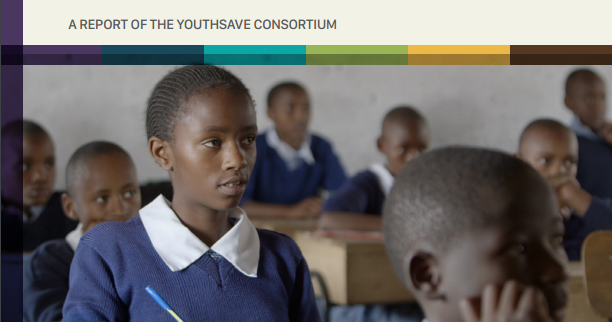
85,000 Low-income Youth Open Savings Accounts through YouthSave
A Conversation on the Weekly Wonk: Should We Bank On It?
Global Anti-Poverty Targets Tepid