Blockchain, open standards, and a revolution in social media
Jack Dorsey鈥檚 comment last week seemed like a canon blasting through an ossified tech industry.
The CEO a new initiative to 鈥渄evelop an open and decentralized standard for social media鈥� that Twitter would ultimately adopt. Dorsey provided few accompanying technical details, but based on a subsequent by Twitter CTO leader Parag Agrawal, the project may somehow involve blockchain technology. The combination of blockchain and open standards has the potential to seismically shift power dynamics between users and the social media platforms.
Administration without representation
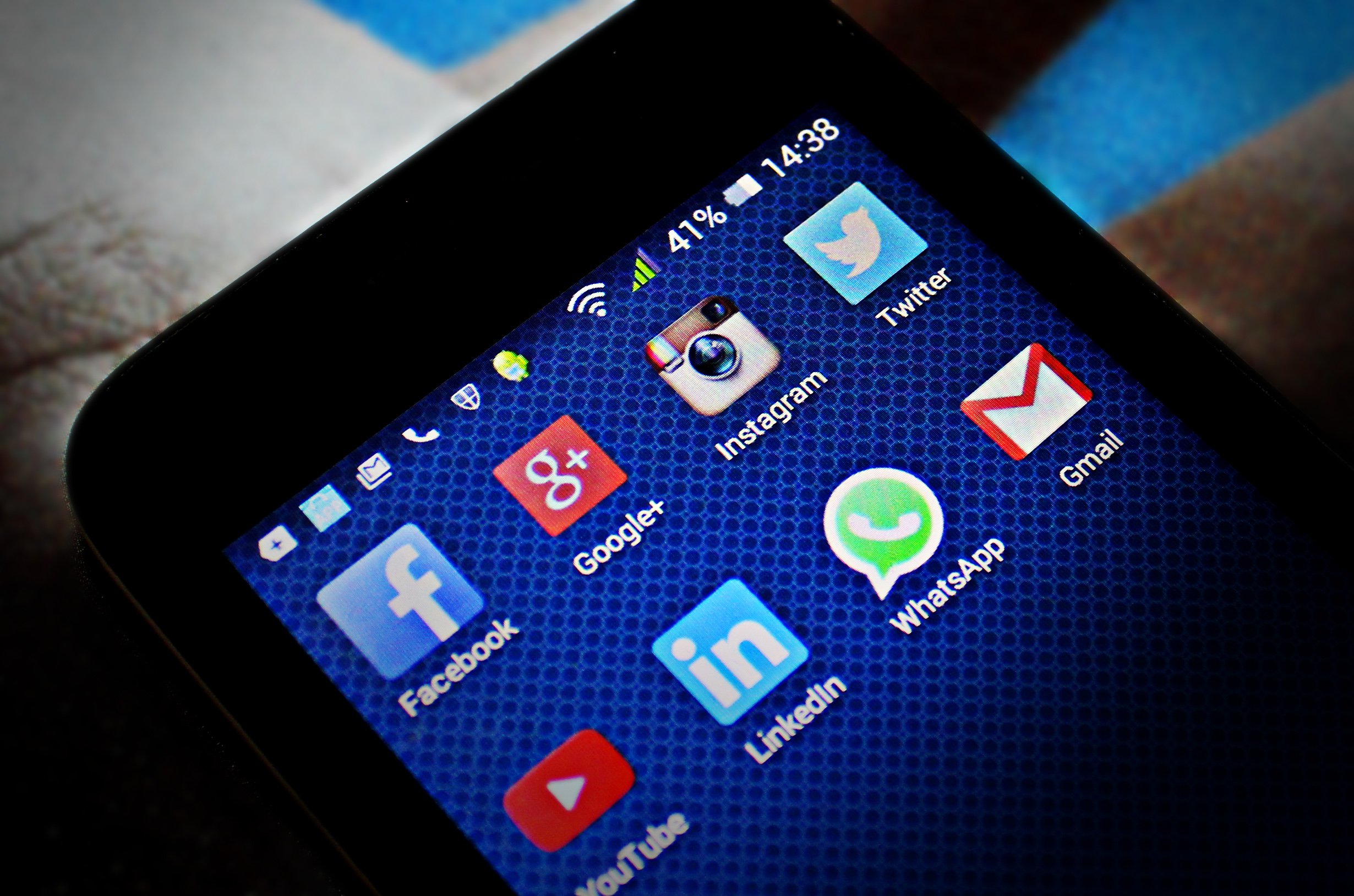
The big social media giants like Twitter, Facebook and Youtube are defining features of the internet today, in part due to the inability for users to switch to alternative networks. Departing members forfeit their content, connections, and personal data curated over the lifetime of their accounts, forcing them to reconstruct online identity from scratch. These high barriers to exit incentivize users to remain with incumbents despite reported , , and challenges. Even though Twitter and Facebook allow users to download types of content from their profiles, the data excludes required for new platforms to restore a user profile.
Without the ability to 鈥渧ote with your feet鈥�, the average user has very little influence on how social media platforms govern our digital environment. Small teams make decisions on platform functionality or terms of services that how billions of users engage in the digital world. By controlling the dominant means of communication, social media platforms must strike the paradoxical balance of while that doesn鈥檛 abide by the terms of use.
Opening the playing field
Open standards would effectively translate the user data on Facebook, Twitter, Youtube, and other social media companies into a 鈥渃ommon language鈥� that would be comprehensible to other platforms. Instead of remaining locked on specific platforms, a users鈥� posts, social connections, and other types of content could be transferred between social media providers. A blockchain could provide the cryptographically secured and decentralized conduit to connect these platforms while protecting the privacy and user control of where the data flows.
An open data ecosystem built on blockchain also lower the barriers for new social media platforms to compete with the incumbent platforms. This freedom allows users to 鈥渧ote with their feet鈥�, and empowers them to find platforms that securely and freely engage with the digital world on their terms. A diversified social media industry not only incentivizes stronger data security than an incumbent-dominated industry, but also fosters innovation of inclusive solutions that represent users of different backgrounds. If members of certain groups perceive discrimination by or by a social media providers, they could export the valuable data and social connections of their social media account and move it to a competing platform where they feel better represented.
Open standards and blockchain technology could create a new social media landscape that enables underdogs to compete with the big incumbents in a way that benefits users and society. If Dorsey鈥檚 suggestion to create a blockchain-supported open standard comes to fruition, it will not only liberate users from a handful of social media providers, but it could reinstill the internet with individual creativity and agency that promotes inclusivity and access for all.
More 国产视频 the Authors
Issues
Programs/Projects/Initiatives
Related
Building Sustainable Supply Chains: Evaluating Worker Well-being Impacts Using Blockchain

Blockchain and Election Integrity

How could blockchain power government services and uplift citizen voices?