
Border Patrol May Stop Handing Over Criminal Suspects to Local Law Enforcement
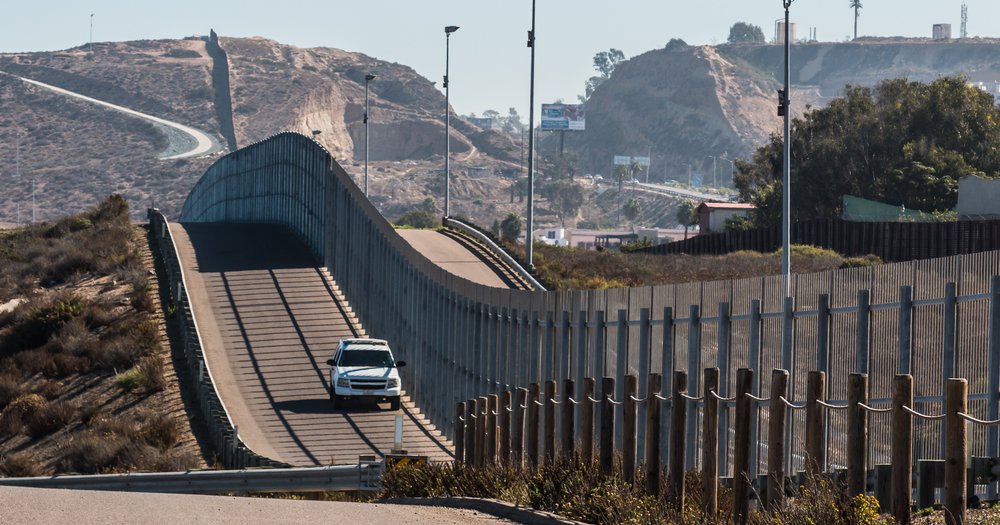
San Diego鈥檚 head of Border Patrol issued an聽聽this week in federal court supporting the Department of Justice鈥檚聽聽against the state of California.
The lawsuit targets three laws passed last year, including the high-profile California Values Act, or SB 54, which limited the ways in which local law enforcement can interact with federal immigration officials.
Rodney Scott, the Border Patrol San Diego Sector鈥檚 chief patrol agent, in his statement, outlined the ways in which those laws will聽鈥� and in some cases already have聽鈥� impeded public safety. Scott focused mostly on the California Values Act, though he mischaracterized some parts of the law that actually ended up passing.
Scott argued Border Patrol will no longer turn unauthorized immigrants who have committed crimes to local law enforcement to be prosecuted and serve time.
He also said relationships between law enforcement will deteriorate, both in informal assistance, and in the breakdown of long-standing task forces and joint operations.
Finally, Scott used an example of a high-profile human smuggling case that may have never appeared on authorities鈥� radar because of the new state law聽鈥� though he failed to mention the case was dismissed.
In the last five years, Scott said, border patrol has turned over roughly 700 undocumented immigrants wanted in California for crimes like robbery, kidnapping and sexual abuse to local law enforcement. But that practice may end, he said, because DHS can鈥檛 be sure local agencies will return the suspects once they鈥檝e served their time in local jails. That means that some people who have committed local and state crime, may not go through the local and state justice system.
He also suggested the law will allow unauthorized immigrants who have proven to be dangerous criminals back onto the streets, which isn鈥檛 an accurate description of the law.
鈥淓ven in the most serious of offenses (such as child sexual abuse, possession of explosive devices, trafficking in controlled substances, slavery, human trafficking, torture, rape, murder, etc.), it is my understanding that the California Values Act forbids state and local law enforcement in California from transferring custody of an alien to DHS without a judicial warrant, and, unless very limited circumstances apply, sharing with DHS an alien鈥檚 release date or home address,鈥� read Scott鈥檚 court statement.
Others, including San Diego County Sheriff Bill Gore,聽.
Local law enforcement can still notify ICE of undocumented immigrants鈥� release dates, if they鈥檝e committed one of 800 crimes listed in the state law, which includes pretty much all felonies and some misdemeanors.
Gore told Voice of San Diego in December there were some crimes not included in that list he wished had been, such as misdemeanor DUI and domestic violence, but said 鈥淚 think we can work with it.鈥�
ICE officers can also interview detainees in local jails once they鈥檝e been read their rights and signed consent forms, as stipulated in聽.
Scott also said two local agencies had withdrawn from Operation Stonegarden, a joint federal-local law enforcement task force to fight border crimes out of fear they conflicted with the state law. He did not specify which agencies.
He cited recent cases he said demonstrate how SB 54 impede federal immigration enforcement, jeopardize public safety and erode the working relationship that federal and local law enforcement have long had in California.
For example, he said a California Highway Patrol officer in January pulled over what turned out to be a fake UPS truck for suspicious driving on Old Highway 80. A passing Border Patrol agent stopped to help and聽聽in the truck.
鈥淭here is the real possibility that had the Border Patrol Agent not stopped to provide back up, or had the CHP officer declined assistance or been forced to decline assistance under SB 54, that all 77 occupants may have been allowed to travel on or depart the scene,鈥� Scott said. 鈥淭his would undermine not only the potential criminal prosecution of the driver and several other subjects, but it also would have allowed a serious trafficking and smuggling incident to go unchecked by federal authorities.鈥�
Federal prosecutors actually聽聽against the driver in February, citing 鈥渃ertain factual issues.鈥� The prosecutors said 鈥渢he interests of justice warrant dismissal.鈥� They also dismissed the criminal charges against two of the individuals inside the back of the truck, who had prior orders of removal.
鈥淭he most troubling issue for Border Patrol is that after the arrest, and due to the passage of SB 54, CHP officers expressed concern about Border Patrol鈥檚 encounter and subsequent arrest of the subjects,鈥� Scott said. 鈥淎lthough the encounter was the result of an Agent taking initiative and attempting to ensure the safety of a fellow law enforcement officer conducting a single officer vehicle stop, it was seen as a negative encounter due to the passage of SB 54鈥� Such camaraderie between Border Patrol and state and local law enforcement in California will likely soon begin to deteriorate, and providing back up to a fellow office for safety reasons will no longer be acceptable.鈥�
He cited another incident on Feb. 12, when El Cajon Police declined to assist Border Patrol agents with a pursuit.
Another time, he said Border Patrol didn鈥檛 turn over a previously-deported felon to the Sheriff鈥檚 Department聽鈥� which had a warrant for the individual鈥檚 arrest for sexual assault 鈥� because the department wouldn鈥檛 commit to notifying DHS when the individual was released.
In another January case, the Sheriff鈥檚 Department cooperated with Border Patrol to extradite an unauthorized immigrant apprehended near the Otay Mesa Port of Entry, who was due in court in Los Angeles County for a 2017 arrest for sexual battery and assault with a deadly weapon.
Scott said that individual can be prosecuted thanks to the Sheriff鈥檚 cooperation.
鈥淭hat being said, we have ongoing concerns that [the sheriff] is engaging in this cooperation in a way that likely cannot be squared with the text of SB 54, and have significant ongoing concerns with relying on this kind of informal cooperation in the face of SB 54,鈥� he said.
Scott also took issue with local agencies refusing to honor detainer requests, which is when ICE asks officers to hold undocumented immigrants in jails after their release, so ICE can detain them.
This practice stopped before the Values Act, though. Local law enforcement agencies largely stopped complying with detainer requests after聽, which barred local agencies from holding people for ICE longer than 48 hours if they were in custody for minor crimes. Federal courts have also聽聽unconstitutional since 2014.
Border Patrol did not immediately respond to requests for details about some of the incidents.
The Sheriff鈥檚 Department said it has been and will continue to comply with the California Values Act.
鈥淥ur deputies work hard to make our communities safer and we want to ensure all of our residents feel safe reporting crimes or coming forward as witnesses to criminal acts,鈥� said the department鈥檚 spokesperson Lt. Karen Stubkjaer. 鈥淟aw enforcement in the San Diego region has and will continue to have a strong culture of cooperation within the confines of the law. The Sheriff鈥檚 Department will continue to comply with state law, until such time as it is changed, or a court orders the Department to cease enforcing some provision of California law. 鈥�
This originally appeared in the Voice of San Diego.
More 国产视频 the Authors
Related

Engagement in a Civic Education Desert

Built to Last: How Leaders Are Creating Sustainable Early Childhood Funding

Pre-K Is Having a Curriculum Moment. A Professional Learning Movement Needs To Follow.
