Aaron Loewenberg
Senior Policy Analyst, Early & Elementary Education
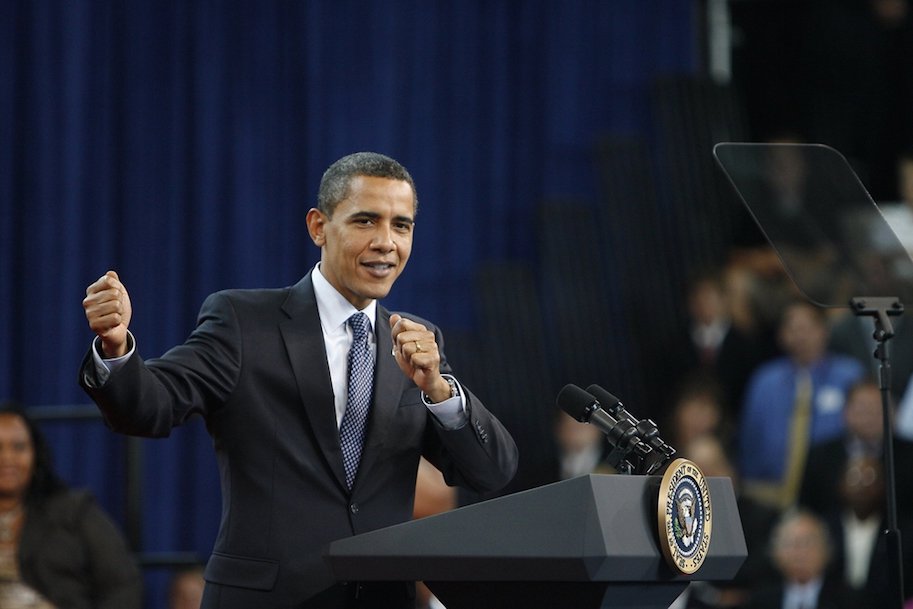

On Tuesday, President Obama released his FY 2017 budget proposal, making his priorities for his final year in office known. As Sylvia Burwell, Secretary of the U.S. Department of Health and Human Services (HHS), explained, the budget is 鈥淣ot just about revenues and outlays鈥� but it states our nation鈥檚 values.鈥� From this budget it鈥檚 clear that the Obama Administration continues to value early learning. While many of this year鈥檚 proposals around our nation鈥檚 youngest learners are similar to what the President asked for , there are a few new initiatives that, if funded, would go a long way towards improving access to high-quality early education.
Funding for early learning is housed predominantly in HHS and the U.S. Department of Education (ED). This year the President asked for $82.8 billion in discretionary funding for HHS, which oversees Head Start, child care, home visiting, and now the .
For Head Start, which provides early education to approximately one million children from low-income families, the Administration has asked for $9.6 billion. This is less than requested last year, but still $434 million more than the FY 2016 enacted level. Last year the President called for over $1 billion to make Head Start available to all participants for a full-day and full-year, which research shows is associated with better outcomes for children. He鈥檚 scaled this request down this year, asking instead for $292 million to simply 鈥渋ncrease the number of children鈥� attending full-day, full-year programs. In December, while Congress didn鈥檛 fully meet the President鈥檚 funding request for FY 2016, , which is more than many in the early education community were expecting.
The remainder of the new funding requested would simply be a cost of living adjustment to maintain enrollment in Head Start and Early Head Start and to .
This year the President repeated his call for $82 billion in mandatory funding over ten years to expand access to child care through the Child Care and Development Fund, which includes the Child Care and Development Block Grant (CCDBG). These funds would ensure that all eligible families with children under age four have access to child care. They would also improve program quality through educator professional development, better compensation for child care workers, and higher subsidy rates for quality providers. In the same vein, the Administration called for an additional $200 million in discretionary funding to help states implement the new , which aims to better regulate program quality. Lastly on the child care front, the budget sets aside $40 million for pilot programs that attempt to address the child care needs of working families, specifically those with non-traditional schedules and those located in rural areas. The budget also proposes extending and expanding the Maternal, Infant, and Early Childhood Home Visiting program with $15 billion over ten years.
The HHS budget also includes $350 million in discretionary funding for the . The new Every Student Succeeds Act transferred funding for the program from ED to HHS. The $350 million request represents an increase of $100 million over the 2016 enacted level in order to continue the work of the program which currently supports the efforts of 18 states to develop and expand high-quality pre-K programs. The HHS budget says 鈥淭he request also includes a set-aside for pilots to explore innovative approaches to improve the transitions of children from preschool into kindergarten, improve the early years, and support exemplary child development practices.鈥�
Over on the ED side, Obama鈥檚 budget would provide $69.4 billion in discretionary funding for FY 2017, just a two percent increase over the enacted level. The Administration鈥檚 ED budget is designed to do three things: advance educational equity and excellence, support teachers and school leaders, and promote college access, affordability, and completion. In a accompanying the budget, Acting Education Secretary John King explained that the budget reflects the Administration鈥檚 broader efforts to expand opportunity and ensure every child can achieve his or her full potential.
As in previous years, included in the budget request is $1.3 billion in funding in 2017 and $10 billion over ten years for President Obama鈥檚 that aims to provide high-quality pre-K programs for all four-year-olds from low- and moderate-income families. And as in previous years, this will likely be ignored by Congress. Additionally, pre-K and early intervention services for children with disabilities through IDEA Preschool Grants and the IDEA Infants and Families program together receive an $80 million increase over the 2016 appropriation.
When it comes to Title I funding for disadvantaged students (which can support children in the years before elementary school), the budget calls for $15.4 billion in grants to school districts. This is technically an increase of $450 million over current levels, but since ESSA eliminates the $450 million School Improvement Grant program. This budget鈥檚 Title I boost essentially just adds the former SIG money into the broader Title I program.
The budget includes a few other items that could impact early and elementary education. For example, it calls for $120 million for a new which would encourage the development of new plans to increase socioeconomic diversity in schools around the country. Recently, Former Education Arne Duncan that one of the greatest disappointments of his tenure was the lack of progress made on school desegregation. This new program hopes to act as a catalyst for action on school integration. Last year, The Century Foundation released a detailing how integration can have a positive impact in pre-K, where programs tend to be especially segregated by race and socioeconomic status.
The budget also includes $1 billion in funding for a new RESPECT: Best Job in the World program that aims to attract and retain effective teachers in high-need schools by increasing compensation, improving working conditions, and implementing teacher-led development opportunities.
This budget is basically . However, it is likely to spark some interesting discussions on the campaign trail this year. And even if many of the budget鈥檚 proposals have a slim chance of becoming reality, they鈥檙e still important in laying out the Administration鈥檚 priorities when it comes to education. As OMB Director Shaun Donovan , these proposals 鈥渕ay not be enacted this year but they lay the groundwork for reaching solutions in the long run.
Senior Policy Analyst, Early & Elementary Education
Senior Policy Analyst, Early & Elementary Education