
Campaign Watch: And Then There Were Two

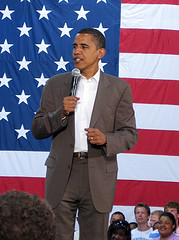 Last night, Senator Barack Obama earned a majority of Democratic delegates, . Last night鈥檚 end of the primary season also marked the start of the 2008 general election. Obama鈥檚 Republican opponent, Senator John McCain, kicked off his general election bid with a last night.
As we move into the general election campaign, expect to hear more from the candidates on education issues, including early education. During the Republican primary, McCain paid little attention to education issues, and he still hasn鈥檛 released any education proposals. But as he moves to appeal to independent and Democratic voters in the general election, he鈥檚 going to need to speak more to voters鈥� concerns about education鈥攂ecause Obama will be.
Obama already spelled out a during the primary, but signs from the campaign suggest he鈥檚 going to be focusing a lot more on education as he shifts to the general, playing up areas where his views on education break with some traditional Democratic positions. The Washington Post :
Heather Higginbottom, who runs Obama’s policy office at the campaign’s Chicago headquarters, cited education as one area in which Obama offers ideas that are not traditionally Democratic, arguing that the problem is not all about schools or funding, but about parents who let their children watch too much television. She said his proposal to give teachers bonus pay if they receive special training or if their students score high on standardized tests is an idea that some liberal-leaning teachers unions oppose.
听
听
听
听
Just last week, at a Colorado high school, in which he argued for both significant reforms to No Child Left Behind, and new, aggressive education reforms鈥攑articularly in the areas of teacher training, induction, and compensation, as well as college outreach and preparation鈥攖o improve our educational performance and close the achievement gap. Moreover, Obama argued that real education reform will require policymakers to 鈥渕ove beyond the stale debates that have paralyzed Washington for decades: Democrat versus Republican; vouchers versus the status quo; more money versus more accountability.鈥�
While Obama didn鈥檛 address early education in that speech, his are a clear complement to that message. Early education is one area where education reformers and more established education interests, who are often at odds over policy questions, actually tend to agree. Further, Obama鈥檚 early education proposals offer a good example of the shared responsibility for student outcomes鈥攂etween parents, educators, policymakers, and citizens鈥攈e has called for. New investments in pre-school early education are essential because schools can鈥檛 close the achievement gap all by themselves鈥攅specially when half of the achievement gap already exists before children even begin school. Yet early education investments are no silver bullet鈥攖hey have to be accompanied by reforms in the early elementary years and beyond that can improve student learning to sustain the gains youngsters make in quality early education programs. And programs like Nurse Home Visiting, which focus on parents as well as at-risk children, address some of the parental responsibility themes Obama鈥檚 been sounding recently.
So, expect to hear Obama talking about early education, , in the context of his larger education agenda.
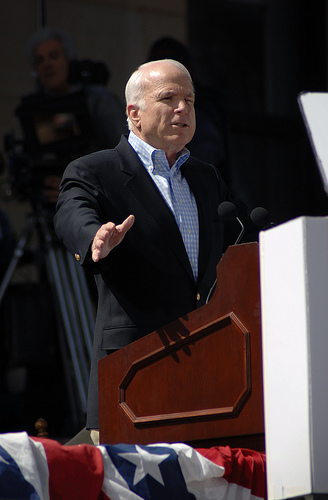 Most observers don’t expect McCain’s early education agenda, which advisors plan to roll out this fall, to contain a significant early education component. We think that would be a mistake. While K-12 education policy debates have become highly polarized politically, early education doesn’t have to be a partisan issue. As we’ve noted, Republican elected officials at the state and local level–including –have played an important role advancing quality early education at the state and local level. Early education investments , particularly among women who are likely to be the swing voters in this election, and Obama has a very ambitious early education agenda. No one’s expecting McCain to propose a similarly ambitious early education program, but proposing some modest, but smart, early education reforms could be highly beneficial here.
And there are plenty of that would compliment McCain’s broader reform message. Last night, in one of only two references to education, that the nation needs to 鈥渞ethink, reform, and reinvent the way we educate our children,鈥� in the context of a broader call for reforming American institutions. In fact, early education might actually be an easier area than K-12 education for McCain to propose bold, innovative reforms in right now, given the strong opposition to federal involvement in education among some conservatives. And our patchwork system of early childhood care and education, not to mention the lack of linkages between that system and our K-12 schools, is certainly in need of some rethinking.
Both presidential nominees have an opportunity to use early education to reinforce their broader messages, and to advance smart early education ideas, in this election season. Senator Obama has already put forward and ambitious agenda, but Senator McCain has yet to seize this opportunity. Expect to hear more from the candidates on education in the coming months–and to see plenty of coverage of early education in the campaign here.
More 国产视频 the Authors
Issues
Programs/Projects/Initiatives
Related

A National Review of Early Childhood Cost Models: Findings on Children with Disabilities and Developmental Delays

Prioritizing Students with Disabilities in AI Policy

Room to Grow: Expanding Access to Early Education by Rethinking Physical Space
