Why We Need Stories of Climate Optimism
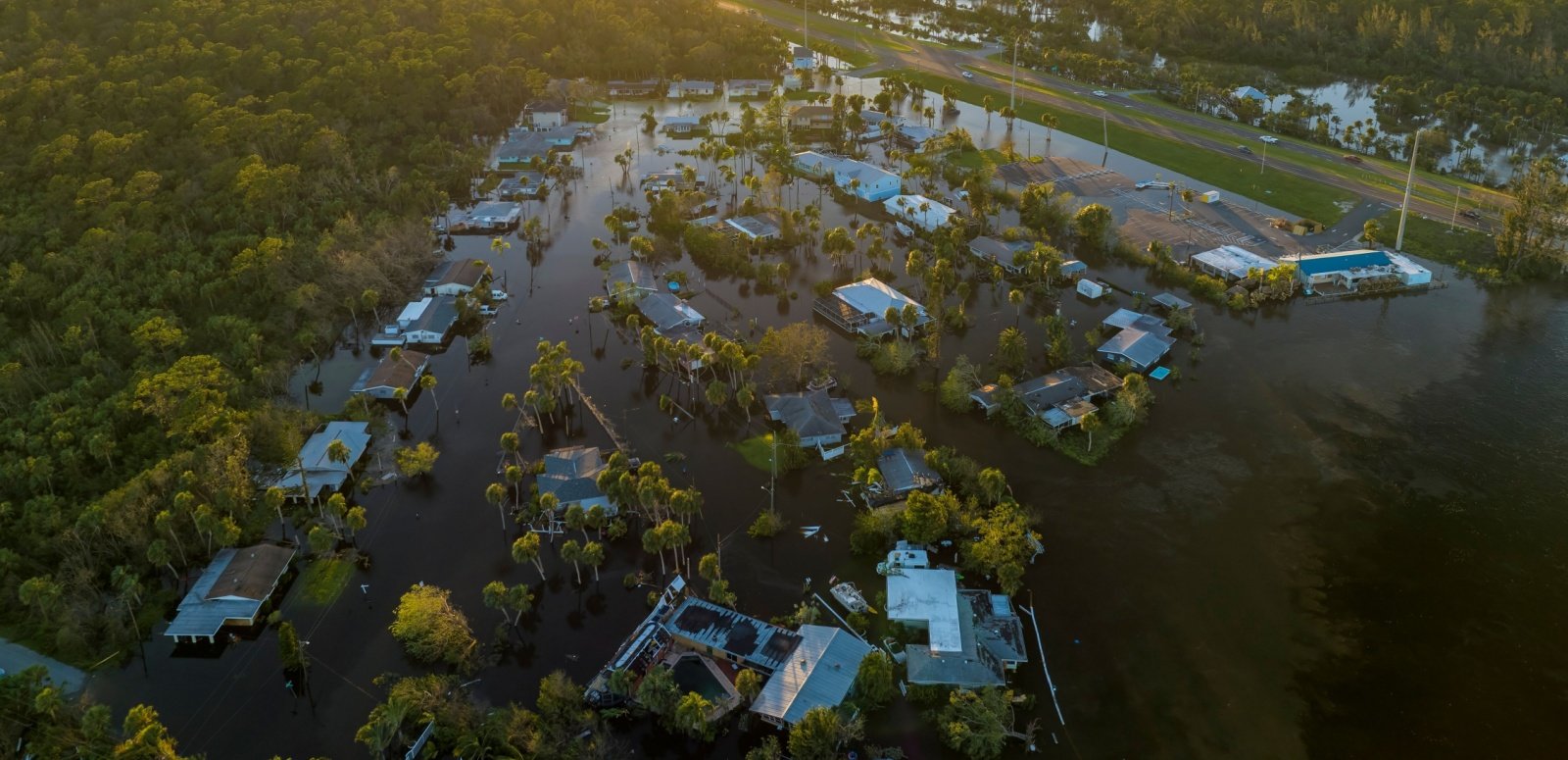
We鈥檙e all going to spend a lot more time thinking about the weather. Freakish storms from to are only the latest headlines in a quickening pulse of fires, floods, and famines underscoring that climate change is no longer on the horizon: It鈥檚 right here, right now.
The latest pleads, again, for dramatic action, reminding the world that the next decade will be decisive in shaping the fates of millions of people for the rest of the twenty-first century. Of course, that鈥檚 old news. Scientists have been , and we are still struggling with a global crisis of imagination around climate.
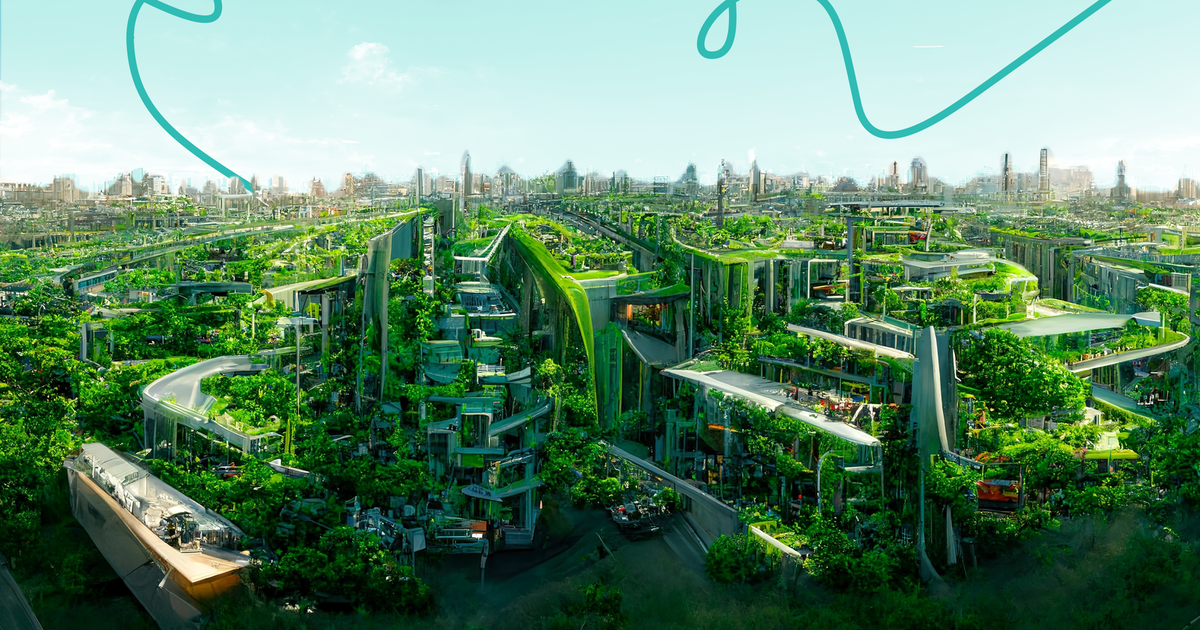
But how do we motivate large-scale collective action around a problem that is so complex, abstract, and vast in scale? One of the reasons it feels so impossible is that we have few stories of what a successful transition might look like. Even the most ardent champions of decarbonization sometimes focus more on sounding the alarm than on imagining and mapping out successful outcomes. Without positive climate futures, visions of climate adaptation and resilience that we can work toward, it鈥檚 much harder to motivate broad-based efforts for change in the present.
Scientific models and policy trench warfare are insufficient responses to the crisis. We have to start with imagining our way through it first, and telling stories that inspire hope and action. Perhaps the greatest fundamental challenge facing our species is that far too few of us feel empowered and inspired to imagine our own futures. Meeting the myriad challenges of climate change is going to require imagination at every level, from local communities and companies to government agencies at local, regional, and international levels.
That perspective has animated a decade of work at Arizona State University鈥檚 , most prominently in our . Inspired by the work of science fiction author Kim Stanley Robinson, this project aims to galvanize global imagination around positive climate futures by supporting four fellows (hailing from China, India, Mexico, and Nigeria) to write stories of local and regional climate resilience. We鈥檙e combining their work with creative nonfiction essays from other contributors around the world in a collection we hope to release during the this November and December.
The same sense of stubborn hope in the face of crisis, and dedication to the idea that we need many climate stories tracing diverse pathways toward coordinated action, undergirds several other related projects.
Without positive climate futures 鈥� it鈥檚 much harder to motivate broad-based efforts for change in the present.
From 2016 through 2020, we joined with ASU鈥檚 Virginia G. Piper Center for Creative Writing to host three global climate fiction contests, garnering hundreds of short story submissions from writers in more than 75 countries. We published featuring tales unfolding in all corners of the world鈥攆rom remote islands and bustling cities to rural tourist traps and the ocean floor. The stories depict individuals and communities grappling with hope, struggling for survival, building solidarity, and mourning the loss of people, places, creatures, and landscapes. Through these anthologies, we learned that hopeful climate stories needn鈥檛 be undeservedly sunny or patently optimistic: Climate fiction often processes a range of emotions, with grief and anger leading to mobilization and catalyzing new thinking about adaptation, resilience, and mutual support.
We鈥檝e also returned to climate themes time and again in , a monthly series of short science-fiction stories we鈥檝e been publishing in collaboration with Slate magazine and 国产视频 since 2018.
Each month鈥檚 entry is paired with a response essay by an expert in a related field, exploring how fictional glimpses into possible futures help us think through difficult policy choices at the intersection of technology and society. Chinelo Onwualu鈥檚 鈥溾�� explores climate migration in a future Nigeria fractured by armed conflict. Karl Schroeder鈥檚 鈥溾�� imagines a blockchain-powered technology that enables rivers, mountain ranges, and other natural systems to speak for themselves in policy contexts. JoeAnn Hart鈥檚 鈥溾�� and Matt Bell鈥檚 鈥溾�� consider the ethical quandaries of being a survivor of climate catastrophe, looking at food systems and 鈥渄isaster porn鈥� reality-TV hijinks, respectively; Brenda Cooper鈥檚 鈥溾�� follows the struggles of the governor of Washington, forced to move the state capital in the face of rising sea levels, but unable to persuade people to move to the newly built city. And Premee Mohamed鈥檚 鈥溾�� wonders if supercharged wildfires, harder each year to fight back, will make vast swaths of forestland functionally uninhabitable. These stories illuminate tricky, unexpected climate challenges, but also opportunities for intervention and spaces where thoughtful, humane applications of technology might change things for the better.
While we hope these visions of the future inspire positive change in the present, their most important work is not to point out particular pathways so much as to remind us all that better worlds are possible. Imagination is a team sport, and the greatest gift we can offer others is an invitation to begin imagining their own futures.
Read more from our themed issue:
馃寧 Barbados鈥檚 Urgent Call for a Global Climate Finance Plan: Global coordination is needed to tackle the climate crisis, and the Bridgetown Initiative would overhaul the global finance system for the fight.
馃彉锔� The U.S. Can Build Climate-Resilient Housing Solutions 鈥� Here鈥檚 How: The climate crisis has major impacts on the current U.S. housing crisis, but proactive policies can help secure housing for all communities.
Follow The Thread! Subscribe to The Thread monthly newsletter to get the latest in policy, equity, and culture in your inbox the first Tuesday of each month.
More 国产视频 the Authors
Joey Eschrich
Topics
Related
After the LA Wildfires: Labor Organizer Saket Soni on the Climate Disaster Economy

America鈥檚 Next Migration: How Midwest Housing Will Shape Our Climate Future
The Future of Our Climate: How Political Complacency is Fueling Catastrophe