
Collective Selective Memory and the Risk to Democracy
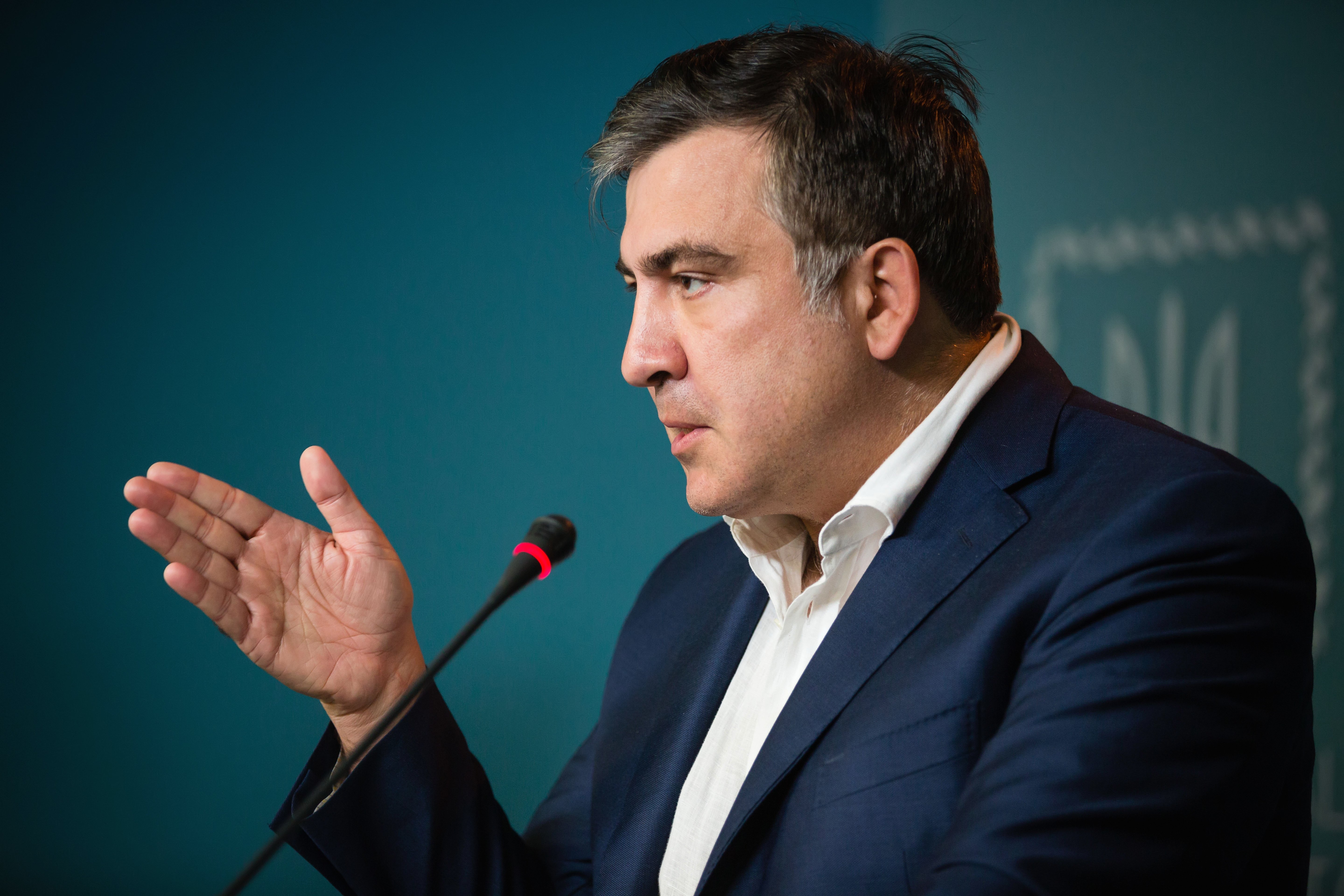
When it comes to countries attempting to develop democracy, we have very selective memories.
Most people outside of – but familiar with – Eastern Europe remember that Mikheil Saakashvili, the most famous of , in 2003, replacing the allegedly corrupt and certainly Soviet throwback Eduard Shevardnadze. We remember that he set about reforming the country by rooting out corruption. We remember that he fired the police force and set up an all new one in , meant to signify the transparency of his new government. We remember鈥攁nd are right to remember鈥攖hat Georgia in 2015 is far less corrupt .
These are the memories that have made it into the generally very positive media coverage in the West and locally of Saakashvili鈥檚 attempted reforms of Odessa since his installment as governor there, particularly in the last few weeks. 鈥�,鈥� read one recent BBC headline. 鈥�,鈥� said The Economist. 鈥�,鈥� announced Ukrainian publication ZIK this past Sunday.
But beyond these headlines is where our memories do not serve us quite as well.
We remember that Saakashvili fired the entire police force and that he and his government broke up organized crime, throwing those involved鈥攖he so-called 鈥渢hieves in law鈥� in jail. We remember, Michael Cecire鈥攁n expert on the region鈥攅xplained in an email, that 鈥渢his [move] had the effect of of flushing out criminal elements while also winning large sums of money to recapitalize meager state coffers.鈥� Although, as Oxford University鈥檚 said in an interview, 鈥渉e did not so much eliminate corruption as he nationalised corruption. You can see this in, for example, confiscation and reallocation of private assets, sale of state assets to people within his circle, ensuring that supporters got major shares of key markets.鈥�
As MacFarlane鈥檚 words suggest, outside of Georgia, we fail to remember that Saakashvili鈥檚 dramatic actions had equally drastic consequences. To quote Cecire, 鈥渢he security and political operations the state used against such people very rarely adhered to the rule of law.鈥� So, too, do we forget that are, at least in part, responsible for the defeat of Saakashvili鈥檚 UNM party in the 2012 elections (notably, at the hands of the challenged by Saakashvili鈥檚 system). As MacFarlane explained, 鈥淭hose caught up in the prison system in this way were subject, like many others in that system, to serious physical abuse. Videos of that abuse came into the open just before the election that removed Saakashvili鈥檚 party from power.鈥�
We remember that he reformed the police but we forget that he neglected to reform the judiciary, or to . This was an oversight that has since hurt Saakashvili himself, as the ruling Georgian Dream government, after coming to power, , now in the opposition, and, eventually, . MacFarlane, for his part, argued that 鈥渢he government was pretty clearly using the judicial system (indictment and detention, followed by plea-bargaining) to extract cash for its own purposes. This behaviour was more a matter of abuse of power than corruption, but the line between the two is pretty blurry.鈥�
And earlier this week, when Ukrainian parliamentarian Serhiy Kivalov to say that he did so because of the corruption charges brought against him, we failed, somehow, to remember the current state of politics in Georgia. The closest thing to an opposition party is without its leader (he is busy fighting corruption in Ukraine). The government that replaced it (which, again, ) but, while it lasts, is .
Fighting corruption is important, but it is not the same thing as establishing a lasting democracy for an engaged and empowered citizenry. As Cecire said, 鈥淲hile it was clear that the state had to be strengthened to achieve sustainable change, the way it was often pursued empowered the central government but in a way that was at odds with its other stated goals of democratization and liberalization while cementing the ubiquity of state-connected elite corruption.鈥�
We are right when we remember what Saakashvili did. But not when we do not bother to remember the entirety of what he did.
鈥淭his is a man, MacFarlane said, 鈥渨ho professes democracy and the rule of law, but who will do what is necessary to achieve his objectives, whether or not what he does violates democratic and rule of law principles…I am not closely following his work in Ukraine. But I would be surprised if it were any different.鈥�
Saakashvili and the rest of the Georgian reformers may well do a lot of good for Ukraine even if, as Cecire noted, Saakashvili has less of a mandate and more oligarchs to take on than he did in Georgia. Even Saakashvili鈥檚 detractors admit that, at least in certain areas, he did a lot of good for Georgia. But he also, intentionally or otherwise, did harm in his homeland, and if that is forgotten, he may do so in Ukraine, too.
Because while Western watchers may have selective memories, it takes societies learning to trust in democracy and engagement longer to forget.
More 国产视频 the Authors
Related

鈥淧eace Through Strength鈥� Is Hard to Read

“Getting the Golden Ticket”: Participants’ Perspectives on Lexington’s First Assembly

Civic Assemblies: A Framework for Community Colleges
