
Don鈥檛 Expect Much from Budget Conference Committee
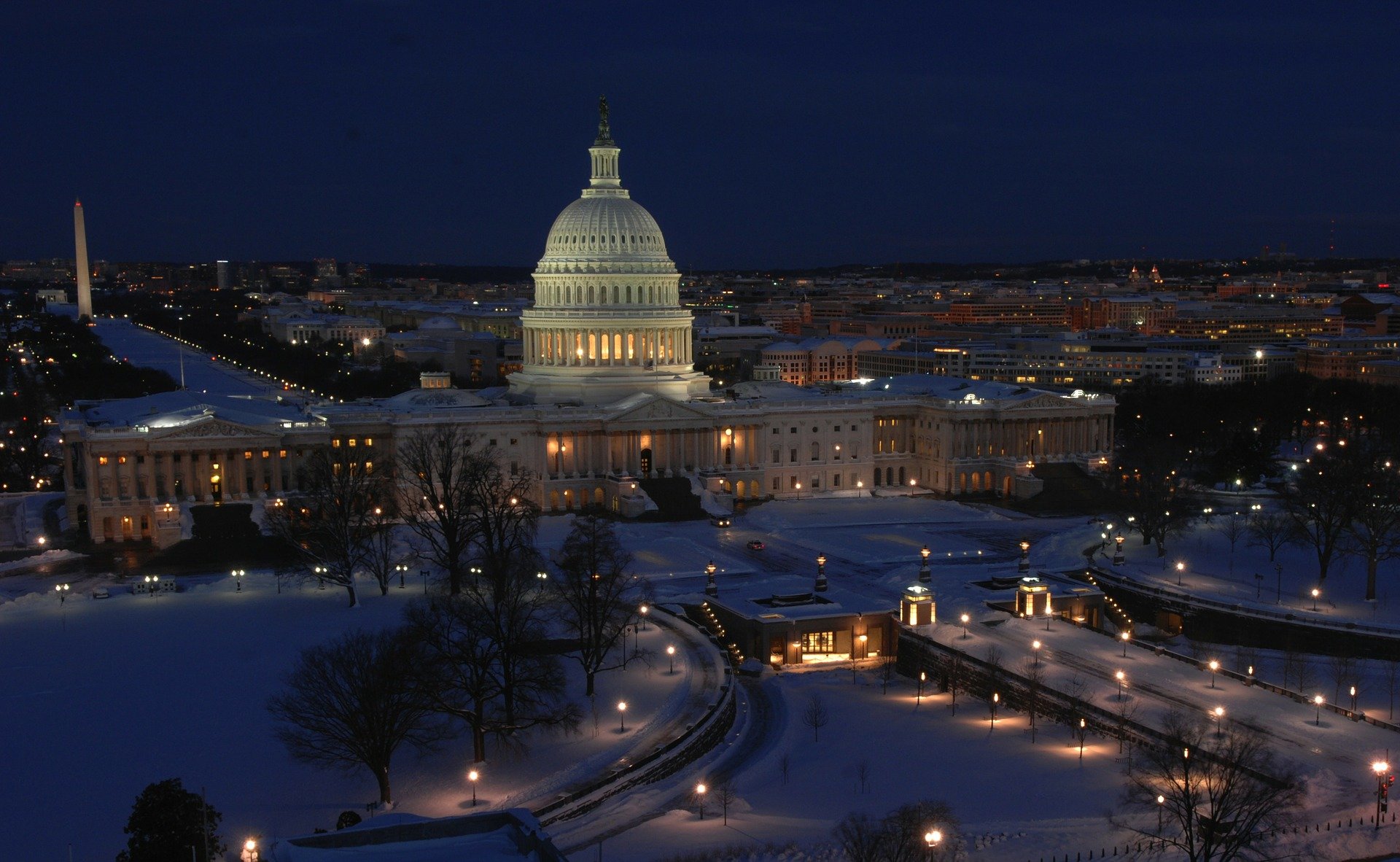
When Congress agreed last month to end a government shutdown and raise the debt ceiling (for a few more months, at least), it also set up a committee to reconcile differences between the budget resolutions each chamber passed earlier this year. 聽The committee had its first meeting last week, and expectations are already low 鈥� 鈥淸s]omething on a large magnitude will probably elude us,鈥� committee member Sen. Pat Toomey (R-PA).
That is because the new committee is barely different from the one that would happen anyway if Congress followed normal budget procedures 鈥� the House and Senate pass their own budget resolutions and then meet in committee to find common ground. 聽Furthermore, the congressional budget resolution is a strange animal. It鈥檚 not a bill and doesn鈥檛 include any actual spending or revenue; instead, it鈥檚 mainly a loose framework for managing subsequent spending and tax bills Congress might consider later in the year. Congress regularly goes about its business without adopting a joint budget resolution at all. And even if Congress does agree on one, it can ignore it immediately, without consequence.听
The new committee is barely different from the one that would happen anyway if Congress followed normal budget procedures.
In other words, the procedures of the new committee matter little. What really matters is the same thing that has mattered all year: The House, Senate, and president need to agree on annual appropriations funding for fiscal year 2014. As of April 2013, the two chambers of Congress were about $92 billion apart (a very large difference, by historical standards), and they haven鈥檛 moved any closer together since. Whether to keep or cancel sequestration鈥攁cross-the-board spending cuts if lawmakers violate annual limits鈥攊s part of that $92 billion difference. Further complicating that cavernous difference, the new committee has only until December 13 to tackle the spending gap. And Congress and the president need to tackle it by January 15, when the temporary funding bill that reopened the government expires.
That the House and Senate are so far apart in their funding figures goes a long way towards explaining why it鈥檚 so hard to overcome the difference. The House budget resolution for fiscal year 2014 set the spending limit at $966 billion, the same as the level established by the Budget Control Act of 2011 that is enforceable by sequestration. Meanwhile, Democrats in the Senate passed a budget resolution at a much higher, $1.058 trillion level. And President Obama was close to Senate Democrats in his budget request to Congress, which would set discretionary funding at $1.057 trillion. That suggests members of the House and Senate don鈥檛 just disagree 鈥� they鈥檙e operating under different legislative realities. It鈥檚 also a huge, potentially insurmountable chasm. Earlier this year, House Republicans even for the Departments of Labor, Health & Human Services, and Education from consideration after the sizable cuts it made turned out to be too deep for its members to tolerate.
But annual spending bills aren鈥檛 the only thing the new budget committee could consider. The revenue side of the equation is highly controversial, too. While House Republicans have insisted they won鈥檛 consider raising taxes as part of a deal, House and Senate Democrats have made exactly the . Surprisingly to many, the president , saying that he wouldn鈥檛 insist on revenue if the members could reach an agreement that would dampen the effects of sequestration. And Democrats have laid out that is not on the table, although Republicans have supported it for years and even the president has included it in past budget requests: a change from CPI to chained-CPI. It鈥檚 a more sensitive version of the Consumer Price Index (CPI), which is used to set (and would likely reduce) eligibility and government benefit amounts for programs including Social Security, veterans benefits 鈥� and .听
All told, these problems indicate few opportunities for a grand bargain 鈥� and frankly, they even spell trouble for a smaller deal.
All told, these problems indicate few opportunities for a grand bargain 鈥� and frankly, they even spell trouble for a smaller deal.听Members of the committee are working under tight fiscal constraints, in a very short timeline, and within a politically charged environment. And nothing has changed since a few months ago except that more time has passed.”
More 国产视频 the Authors
Issues
Related

Cosmetology Students Deserve Better Than Debt and Broken Promises

Quality Principles for Workforce Pell Programs

