
Double Take: What’s Putting the “Pop” in Populist?
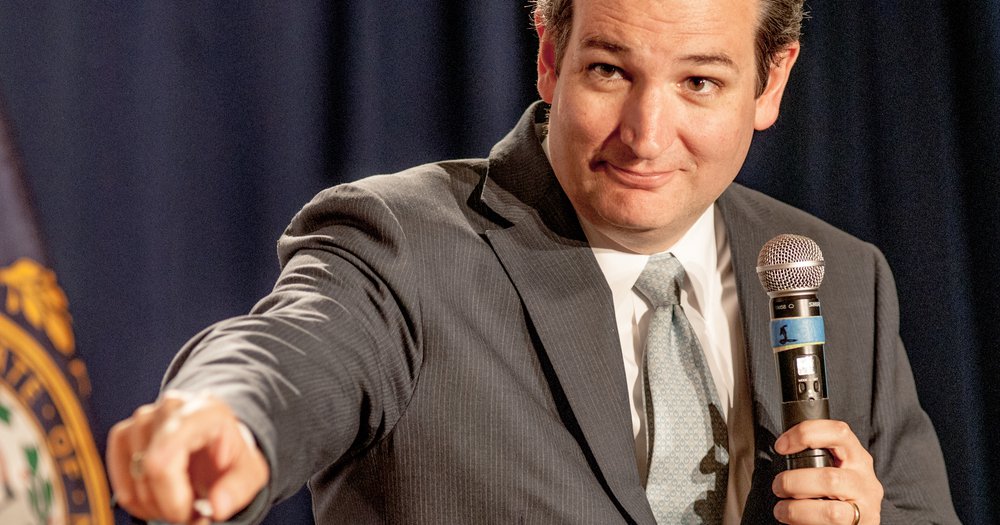
Double Take: Two writers. Two views. One issue.
Ignore Populists at Your Own Risk
Welcome to the year of the populist. With a Sanders vs. Trump contest no longer being the stuff of bizarre political fan fiction, it is clear that the political ground is shifting under us. While this certainly is not the first time populism has gained traction in this country (you could argue that the American Revolution itself was the product of populist revolt), it is one borne of exceptional circumstances from which there are lessons to the learned.
The chattering class tends to treat populists as if they are the doomed spokespeople of an uneducated electorate. We think we鈥檝e seen the story before: characters like Michelle Bachman or John Edwards have their moments in the sun, riding on the feel-goodery of their policies for a few months. Eventually, the 鈥渞eal voters鈥� arrive and recognize that populist policies are too expensive or unconstitutional to support. On cue, the populist candidate fades into the background so that the 鈥渁dults鈥� can have their election.
What this perspective misses is that populism is not unintelligent, but emotional. There鈥檚 a difference. If you are furious about the way your life has turned out, you can be forgiven for setting aside the minutia of policy analysis. You would hardly call someone anti-intellectual for grabbing a garden hose when his house is on fire. Desperate or scared or frustrated, maybe. But not stupid..
We so infrequently grapple with the fact that populist candidates are not the beneficiaries of stupidity. They are the reflection of an overwhelming sense of injustice felt by the electorate. There is an entire world between Cruz and Sanders supporters, but all are casting their votes against the system as it stands. They are a collective voice condemning the status quo in a more fundamental way than any other candidate is willing to stomach. In recent elections, this sentiment was barely large enough to buoy a candidate for a few months. Today, it is the tide carrying frontrunners.
We need to understand the rise of populists as, in a way, a referendum on the quality of life for the average American. People do not show up by the hundreds because they think that of all the policy options out there, 鈥渕aking Mexico build a wall鈥� would be the most effective. People show up because something about the system has become fundamentally opposed to their wellbeing. Are we asking ourselves what about our system is betraying the goodwill of these citizens? Are we wrestling with their cries? These are not stupid people. These are screwed people. They are confronting economic 鈥済rowth鈥� that does nothing for the working class, increasingly feeling (not entirely unreasonably) like politicians are prioritizing the interests of elites at their expense.
The people are furious. Instead of criticising the populists they support, it鈥檚 time to see the new rise of populists as a call to arms to fix the bedrock issues that evoke this level of fury. That means those who have the opportunity to do so must combine smart policy analysis (i.e. campaign finance reform) with an empathy for the electorate. It鈥檚 only after we alleviate the pain that we can expect thoughtful support of respectable policies and responsible candidates. That is the power of populists, the heralds of American malaise.
Derek Turner is currently pursuing an MBA and MA in Education at Stanford University and a former Venture for America fellow.
The Banality of Populism
A quick Internet search reveals that, in one way or another, the term 鈥減opulist鈥� has been used to describe virtually every 2016 presidential candidate, from Sanders to Trump, to Cruz, Rubio, Carson, Fiorina, O鈥橫alley, Christie, Paul, Huckabee, Kasich鈥攅ven and .
And so it would be easy to think that we鈥檝e all gone sick with populist fever. But populist ascription isn鈥檛 limited to today. Numerous politicians throughout US history have been branded with鈥攐r claimed for themselves鈥攖he 鈥減opulist鈥� label. These include presidents, like Andrew Jackson, both Roosevelts, Truman, LBJ, Nixon, Carter, Reagan, Clinton, Obama; and non-presidents, with names like Bryan, Watson, Long, La Follette, McCarthy, Goldwater, Wallace, McGovern, Schwarzenegger, Perot, Buchanan, Ventura, Gore, Nader, Edwards, Palin, Warren鈥攖he list goes on.
What do all these so-called populists have in common? Well, not very much. And herein lies the problem with the latest version of the way in which the term 鈥減opulism鈥� is utilized and understood in political discussion.
Populism of the American variety has taken on several iterations over time. This constant evolution, however, has resulted in many different interpretations of 鈥減opulism.鈥� In a generic sense鈥攁s its name suggests鈥攑opulism has been depicted as a general appeal to the 鈥渕asses,鈥� themselves broadly defined. Populism has simultaneously been applied to various policies, rhetorics, and styles. It鈥檚 been attached to different types of left-wing and right-wing politics and social movements. It鈥檚 been used to characterize the tactics and appeal of 鈥渃entrist鈥� individuals in the political mainstream. It鈥檚 been employed as a pejorative label to denote political 鈥渙utsiders,鈥� and it鈥檚 been coveted as a positive mark of political distinction, as demonstrated most recently by Hillary Clinton portraying herself as a populist 鈥渇ighter,鈥� even while criticized by her opposition as a member of the elite (another shifting term).
All of this is to say that the term 鈥減opulist鈥� today is hollow at best. That鈥檚 why the proliferation of the term in contemporary media is problematic. If one were to define 鈥減opulism鈥� as it is administered today, it would appear to encompass some combination of appealing to the 鈥渃ommon鈥� American while railing against some sort of 鈥渙ther,鈥� whether it be the one percent, Washington, immigrants, or the increasingly (un)popular 鈥渆stablishment.鈥� It represents a politician鈥檚 support of ideas that have a wide-ranging鈥攄are I say 鈥減opular鈥濃�攁ppeal. Yet, essentially, this conception describes all politicians. If a national politician doesn鈥檛 attempt to espouse ideas that resonate with large groups of people, s/he likely won鈥檛 be a politician for very long. Thus, in today鈥檚 parlance, if it breathes, speaks, and runs for high political office, it鈥檚 a populist. And we should be wary of the media鈥檚 readiness to throw this term around willy-nilly鈥攁nd of politicians鈥� similarly over-eager attempts to catch it.
Bobby Puckett is a MPhil student of International Relations at St. Antony鈥檚 College, University of Oxford, specializing in U.S. politics, foreign policy, and the United Nations.
More 国产视频 the Authors
Bobby Puckett
Related

“Getting the Golden Ticket”: Participants’ Perspectives on Lexington’s First Assembly

Civic Assemblies: A Framework for Community Colleges

Don鈥檛 START Now
