
Down But Not Out: CTE and Apprenticeship for Youth in the Justice System
Financially and socially, work-based learning makes sense for incarcerated and at-risk young people.
Putting people in jail, which the United States than almost any other country, isn鈥檛 cheap. It鈥檚 especially costly to detain young people, who must receive crucial education, therapy, and rehabilitation behind bars, but at vastly higher expense.
Education programs have been credited for听, and a $1 investment in such programs听听within three years of release. Recent initiatives like the听Second Chance Pell Pilot program听could help to cover the costs of conventional classroom-based postsecondary education for incarcerated students, but more hands-on approaches are also worth the investment.听
| Annual Average Costs: | |
|---|---|
| Public K-12 education per pupil: | $12,508 |
| Two-year public college for in-state students (tuition and room/board): | $11,580 |
| Four-year public university for in-state students (tuition and room/board): | $20,090 |
| Adult incarceration for a single individual: | $31,286 |
| Youth incarceration for a single individual: | $112,555 |
By helping high-risk youth to develop valuable skills through work-based learning opportunities like career and technical education (CTE), internships, pre-apprenticeships, and registered apprenticeships, the U.S. can position itself to advance its workforce and prospectively lower the听补苍诲听. But when it comes to work-based learning,听finding companies willing to train young people听is a challenge鈥揳nd it's even harder when those young people are in听the justice system, or just recently out of it.听
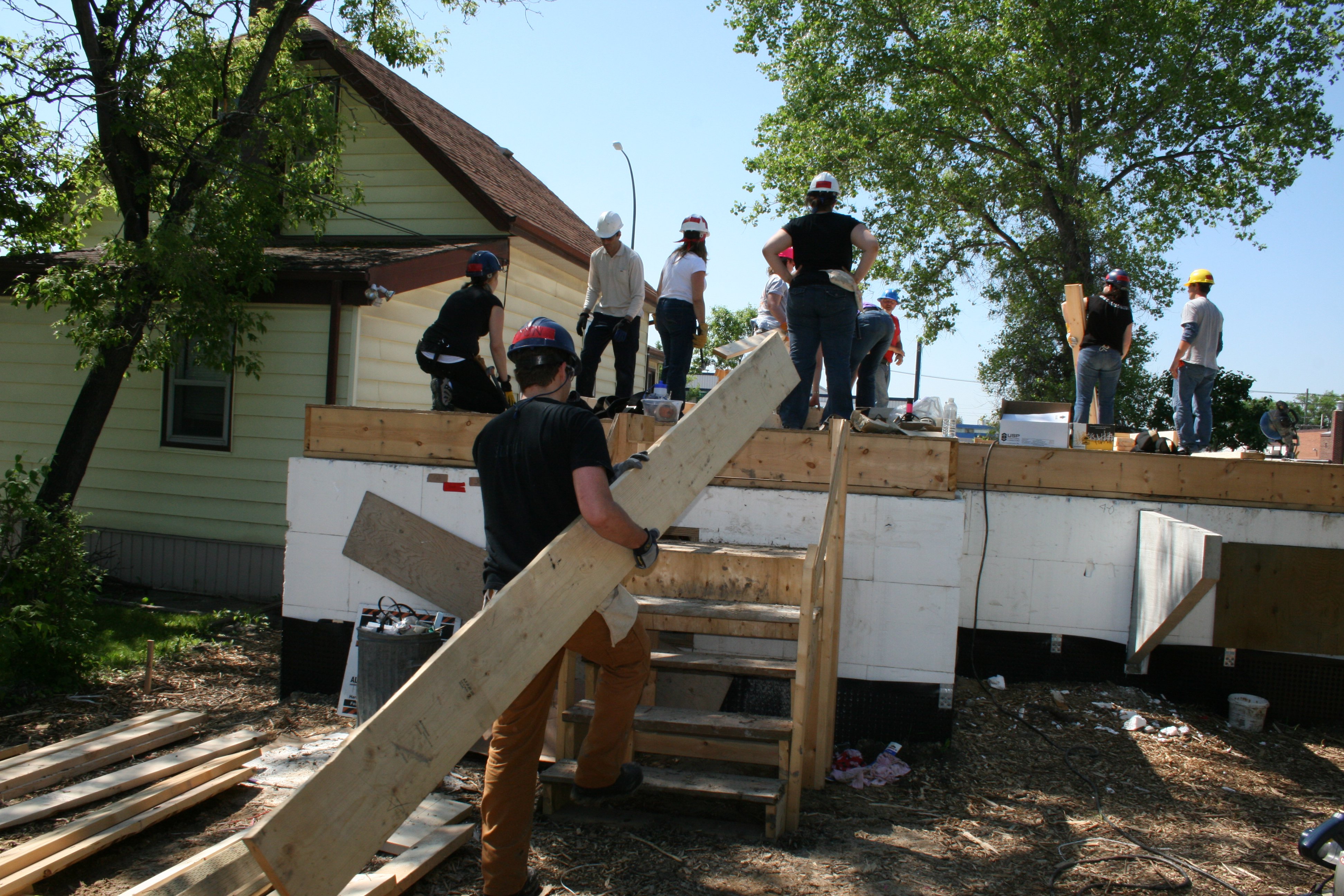
罢丑别听听program manages the feat, exemplifying the double success of reduced corrections spending and overall economic development. A pre-apprenticeship program directed towards juvenile offenders with a history of substance abuse, CRAFT aims to improve outcomes in employment and educational attainment when young citizens return to society. CRAFT uses an apprenticeship-based learning model where students work with the instructor in a simulated work environment fully equipped with tools and supplies set up in workstations based on a particular skill, such as plumbing or drywall. As students become more proficient in specific skills, they are able to work on projects outside of the classroom. Various projects鈥攆or example, restoring a restroom to functionality鈥攚ere implemented inside a large unused warehouse building that needed repairs.
The program includes six months of听, where students take part in construction-specific training (75 percent hands-on work and 25 percent classroom instruction) with an emphasis on problem-solving and real world skills, all while working on their GED or high school diploma concurrently.听
In a听听comparing outcomes between juvenile offenders who were in the CRAFT program and those who weren't, CRAFT participants were significantly more likely to be employed over the three-year follow-up period (76 percent compared to 50 percent) with a much higher proportion finding jobs in the construction field (46 percent compared to 19 percent in the control group). Additionally, youth that participated in CRAFT were significantly more likely to have attended a GED program (50 percent compared 26 percent). It鈥檚 important to note that both the program participants and the control group had the same access to mental health counseling and therapy, which are听听for juvenile offenders.听
CRAFT isn鈥檛 the only program working to ease young people鈥檚 transitions as they leave incarceration and get on with the rest of their lives. Others include:听
, a registered apprenticeship pilot program in Kentucky geared towards adult prisons and juvenile justice centers, intended to allow apprentices to complete 2,000 to 8,000 hours of on-the-job training and work towards an industry certification. Apprenticeships are offered in electrical skills, carpentry, telecommunications, masonry, welding, and building maintenance. The program has three sites in its pilot phase: Amtek, the United Association of Plumbers, Pipefitters & Service Technicians, and the Associated Builders & Contractors Chapter of Indiana/Kentucky. Although there is no guarantee of a job after completing the program, the credential and experience gained will allow these men and women to have a higher chance of being employed by a partner organization. The program is a collaboration between the Kentucky Labor Cabinet and Justice and Public Safety Cabinet.听
, a New York based program that offers pre-internship preparation and part-time internships through small businesses and nonprofits for first-time felony offenders between the ages of 15 and 19. Within two years of program completion, 90 percent of recent CASES graduates have had no new convictions. CASES operates nine programs, including the听, which placed over 100 participants in 10 community benefit projects and 61 participants into paid internships in 2015.
, an academic and occupational training program in Texas offering programs related to automotive technology, building maintenance, culinary arts, horticulture, masonry, and others to youth ages 16 to 19 in the justice system. Juvenile probation departments in over 40 counties refer youth to the GCTC.听
States can also look to initiatives such as听, which reduced the cost of juvenile detention centers by providing comprehensive support and wraparound services to delinquent youth within their home communities. Additionally, communities can push for pre-apprenticeships and apprenticeships for marginalized but non-incarcerated populations. 罢丑别听, established to train disadvantaged workers, veterans, and youth in clean energy jobs; another, Philadelphia Works, developed a听听for high-risk youth to train them to become IT specialists or behavioral health technicians. Another Pennsylvania initiative geared to incarcerated youth,听听resulted in a benefit of $26 per $1 spent, equating to $16 million in savings.
Dividends like this have evidently become too significant to ignore. A bipartisan bill to strengthen the Federal Juvenile Justice Law听, advocating support for improved conditions and educational services for incarcerated youth, and an听executive order听last month highlighted the value of apprenticeships and pre-apprenticeships for听听among other groups.听But at the same time, the听听programs听from $273 million to $230 million.听Noble intentions will go nowhere without financial support and a strong legislative mandate: with apprenticeships and work-based learning becoming the forefront of听recent federal news, lawmakers should capitalize on work-based learning for some of America鈥檚 most at-risk young people.
Table sources:听, College Board ,听.听
More 国产视频 the Authors
Issues
Programs/Projects/Initiatives
Related

Gender Equity in High-Quality Youth Apprenticeship: A Deeper Dive into the PAYA Data

21 States Submitted Combined WIOA-Perkins Plans. Will This Lead to Systems Change?

Career Advising Happens Everywhere 鈥� Is Your State Prepared?
