
Credit or non-credit, workforce programs at Mott Community College get a boost from embedded credentials
Combining industry credentials with academic rigor, Mott's career training helps learners around Flint, MI reinvent themselves in a shaky job market
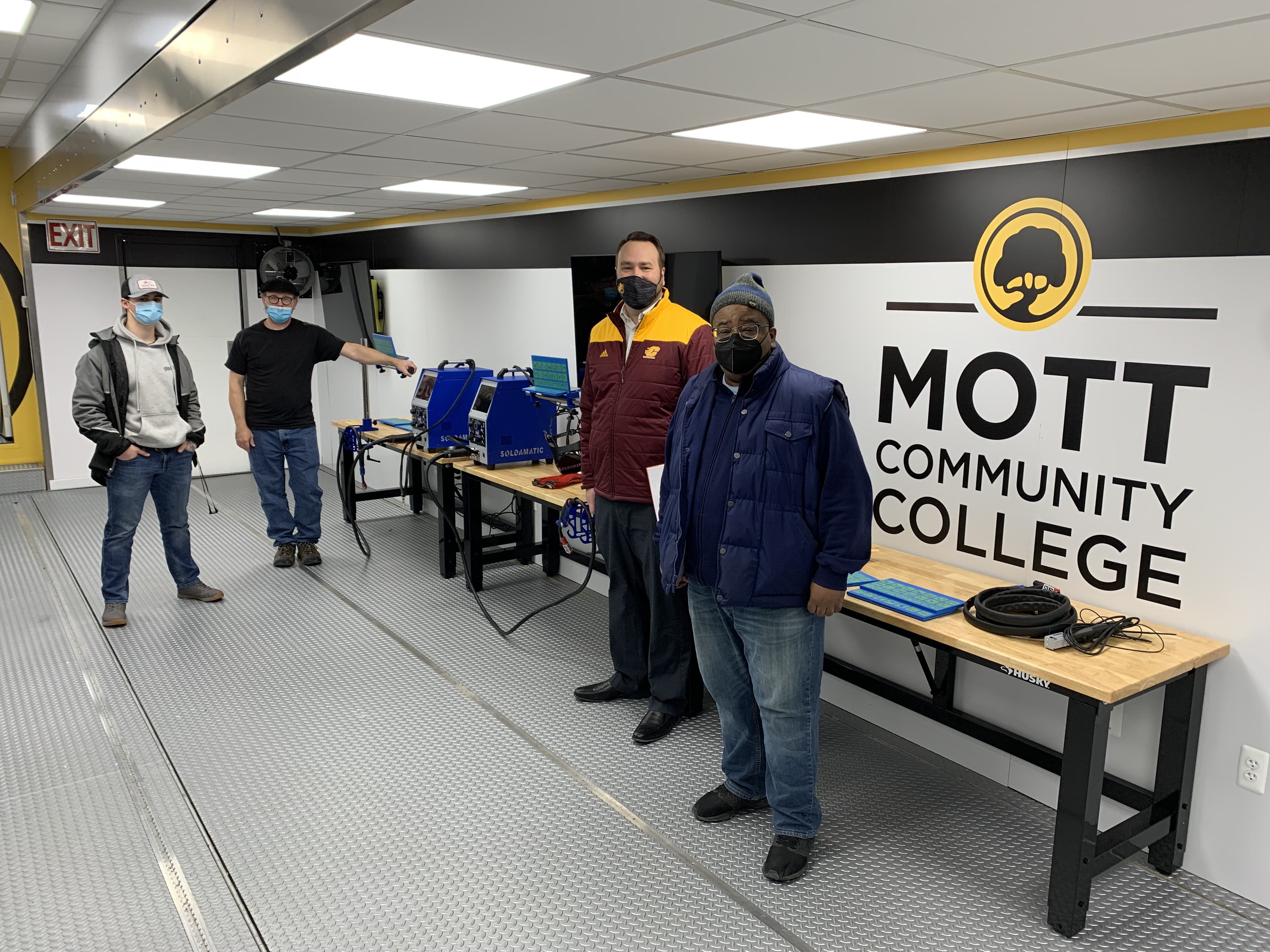
Bottled water is everywhere in Flint, MI. It was available for free in our hotel lobby and for a dollar at the restaurant next door. Mott Community College also had a supply ready for our visit as part of the New Models for Career Preparation project. The tap water is safe to drink now, but many Flint residents still prefer to avoid it.
Distrust of public institutions runs deep in Flint, a predominantly Black city whose economic fortunes haven鈥檛 recovered from the that employed about 80,000 locals at their peak in the late 1970s. In 2014, a state-appointed city manager switched the city鈥檚 water supply to reduce costs, . The extent of the water crisis was publicly downplayed or covered up for another year and a half, long after the damage was done.
Despite everything, Mott has managed to maintain public trust. The half-dozen students we met on our visit included nearby residents as well as commuters from farther afield, including two living an hour away in Lansing. They were all drawn in by Mott鈥檚 community reputation, as well as the welcoming demeanor and consistent engagement of its large student services staff. And though the students we met were pursuing training in a variety of different job roles鈥攎edical assistant, HVAC technician, lineworker, tech support specialist鈥攖heir programs had something in common: they all included embedded credentials.
Embedded credentials are industry certifications or licenses that are bundled into a larger program of study. They add heft to a learner鈥檚 resume by providing another source of skill validation鈥攕uch as a state government for a license, or a vendor or trade association for certifications鈥攁longside the higher education institution that confers the certificate or degree. In some cases, they help students 鈥渟tack鈥� progressively more advanced educational programs together, an option that鈥檚 become as students opt for shorter, job-relevant training pathways.
At Mott, embedded credentials serve their usual resume-boosting purpose for students as well as a quality assurance function for the institution itself. Embedded credentials are portable across local job markets, helping students who may need to commute to earn higher wages outside of Flint. They also provide Mott鈥檚 faculty and administrative staff with a shared skills framework from which to build their workforce programs. Marcus Matthews, Mott鈥檚 Assistant Vice President of Workforce and Economic Development, says that each of Mott鈥檚 19 short-term workforce programs have at least one embedded credential, and new programs won鈥檛 be launched without one.

Beyond helping the college build more relevant programs, and helping students show what they鈥檝e learned, embedded credentials also help connect Mott鈥檚 credit and non-credit offerings, giving students options for continuing their education over the long term. A student who earns through a non-credit program, for example, receives up to eight credits towards Mott鈥檚 30-credit welding certificate or its 69-credit applied associate degree in welding. Certifications in IT, robotics, and health care occupations provide similar transfer options, too. 鈥淲e approach all of our programming thinking about [non-credit to credit] transfer,鈥� Robert Matthews, Associate Vice President for Workforce and Economic Development, told us. 鈥淏ecause we鈥檙e the only community college in this area, we touch a lot of people. No matter what their level of engagement is, there鈥檚 always a possibility that they鈥檒l become a student.鈥�
Making sure that everyone who wants to be a student can become one is especially important in the pandemic era. Mott鈥檚 enrollments dropped by about a fifth during the early pandemic, and the college emphasizes the portability and transferability of its workforce credentials in marketing efforts to get students to enroll or re-enroll. also includes embedded credentials as a key component of its strategy for improving the quality and stackability of its academic options. Mott aims to increase the number of credit or non-credit programs with embedded certifications or licenses, or which include stackable , by five to ten percent over the next two years.
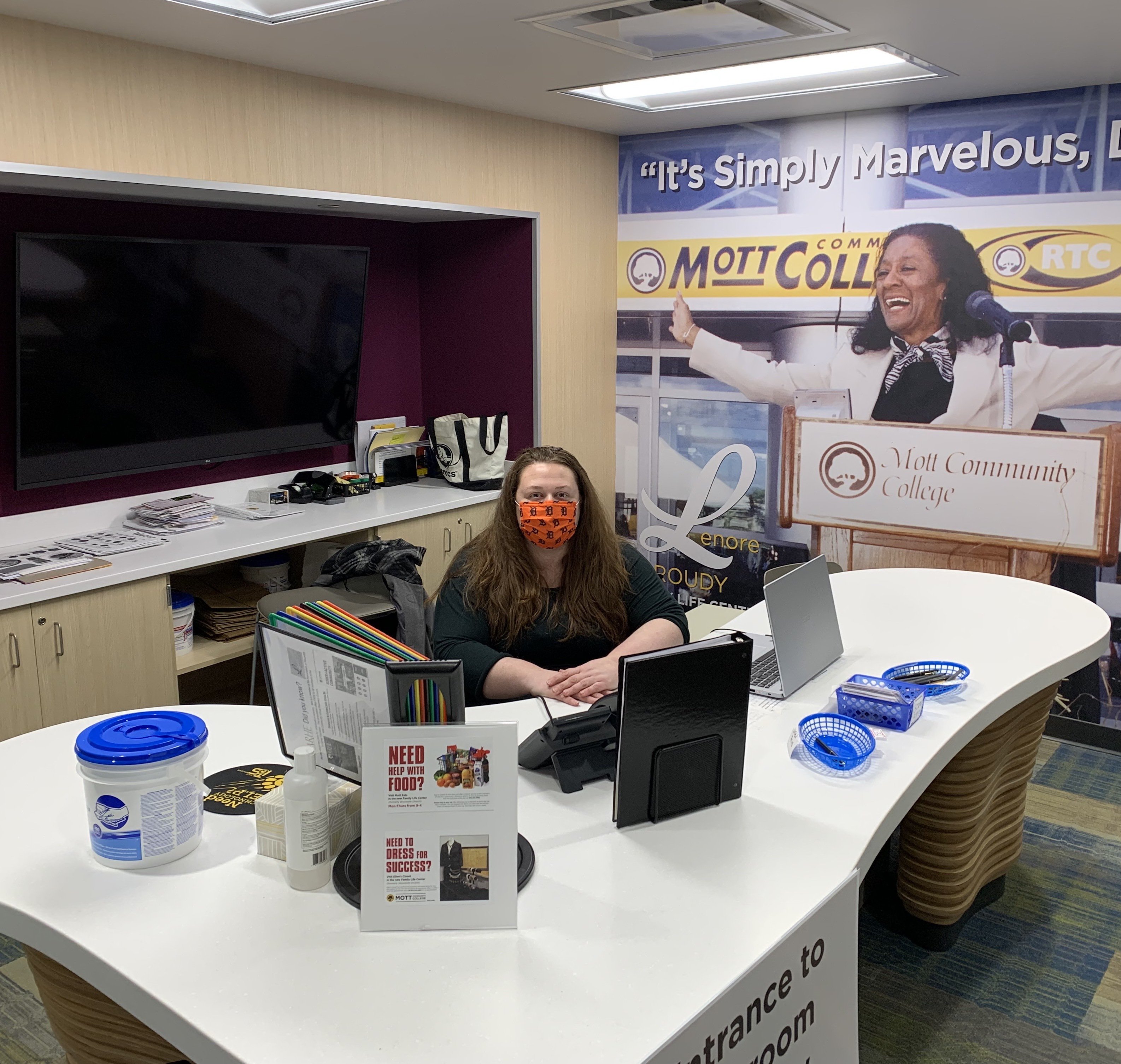
Embedding credentials is, of course, only a small part of the work that Mott鈥檚 Workforce and Economic Development division has done to build trust and relationships among students, employers, and workforce development partners in its 20 years of operation. Industry credentials, credit for prior learning, on-site child care, customized training, and Mott鈥檚 mobile training center are distinct but connected elements of the institution鈥檚 central mission to make education accessible and worthwhile for its students. 鈥淥ne of the things we stand on is that we screen in, not out,鈥� said Daphne Epps, Director of Youth Services: 鈥淭hat goes for our students and also our employers. They give us their vision, we say yes, and we see how we can make it happen.鈥�
Enjoy what you read? Subscribe to our newsletter to receive updates on what鈥檚 new in Education Policy!
More 国产视频 the Authors
Issues
Programs/Projects/Initiatives
Related

21 States Submitted Combined WIOA-Perkins Plans. Will This Lead to Systems Change?

国产视频 and ACCT Announce National Advisory Committee on Workforce & Economic Development

Community College Presidents and Trustees Invited to Complete National Survey on Economic Development
