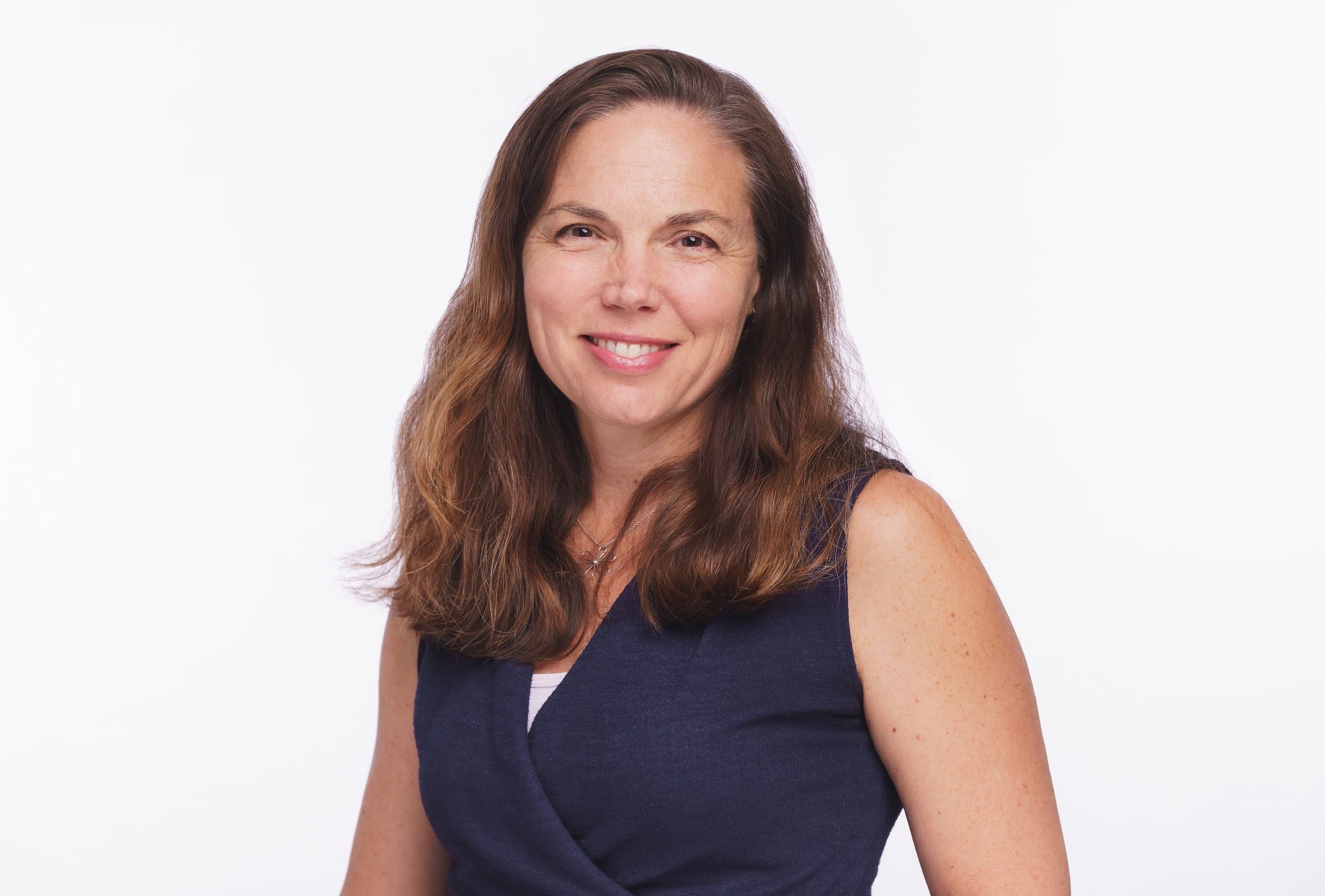
Lisa Guernsey
Senior Director, Birth to 12th Grade Policy; Co-Founder and Director, Learning Sciences Exchange

It may take awhile to feel the full effect of the mid-term Congressional elections, but that didn鈥檛 stop several experts at an education in Washington, D.C. today from offering a bleak outlook on the chances for changes to one key education law: the Elementary and Secondary Education Act.
鈥淭he odds are 50 to 1鈥� that ESEA is reauthorized during the next Congressional session, said Andrew P. Kelly, research fellow in education policy studies at the , where the forum was held. His director, Rick Hess, opted for 35 to 1.
Joel Packer, formerly director of education policy and practice at the National Education Association and now principal at the Raben Group, a lobbying and educational consulting firm, didn鈥檛 think the chances were quite that bad. His take: 5 to 1.
The three Congressional staff members who were on the panel took a more hopeful view 鈥� as might be expected from people who wouldn鈥檛 want to play their boss鈥檚 hand in public. 鈥淲e鈥檙e quite optimistic,鈥� said Bethany Little, chief education counsel for the Committee on Health, Education, Labor and Pensions, which is chaired by Sen. Tom Harkin (D-IA). 鈥淚t was divided government鈥� when ESEA was reauthorized in 2001, Little said. 鈥淎nd it鈥檚 divided government now.鈥�
Lindsay Hunsicker, senior education policy advisor for Senator Mike Enzi (R-WY.), the ranking Republican on the HELP committee, said that the administration鈥檚 鈥渋s still worthy of our consideration.鈥�
The third staffer Amy Jones, who specializes in education issues for Rep. John Kline (R-Minn), is likely to be tapped as the new chair of the House Education and Labor Committee. With Kline鈥檚 role not yet official, Jones declined to tip her hand.
ESEA, known to non-policy wonks as No Child Left Behind, has been due for reauthorization since 2007. Here at Early Ed Watch, we鈥檝e been following the issue closely (and as part of the Early Education Initiative, helped to draft a consensus letter from 15 organizations advocating for changes related to early education up through third grade). A year ago, there were high hopes among many in the Obama Administration that Congress would take up the challenge of revamping it. But though several hearings have been held, no bill has emerged from either the House or Senate side, and by the summer, most policymakers had decided to hold off on predicting progress until the outcome of November鈥檚 elections.
We now know that outcome: Come January, the House will be under Republican control, which means it would be up to Rep. Kline, the probable chair of the Education and Labor Committee, to introduce a bill on the House side. So far, he has been about the importance of local control on education issues and has of increasing funding for the Individuals with Disabilities Education Act, according to Ed Week鈥檚 Politics K-12 blog.
[For more blog-worthy prognostication on ESEA, see also , who that one stumbling block this summer was not Democrat-Republican stalemate but the lack of movement on the Senate side. Also check out the recent post by Andrew Kelly of AEI, who in a guest-blog for , that the small number of moderates left in the House could pose a problem.]
And what about early education and its chances of more inclusion in ESEA 鈥� or its chances of even being on the radar screen in Congress generally? At the AEI event today, education programs that reach students before kindergarten weren鈥檛 on the agenda and elementary schools received no mention. (Elementary schools are, however, assumed to be part of the K-12 turnaround strategies that got some airtime.)
During the Q-and-A, I asked how the new Congress would treat Head Start. 鈥淪enator Harkin will look for every opportunity to support early childhood education,鈥� Little said. 鈥淚t鈥檚 going to remain a high priority for him moving forward.鈥�
Hunsicker, Sen. Enzi鈥檚 education advisor, had a positive response as well: 鈥淲e鈥檙e excited about the proposals [for Head Start reform] that the federal government has put forward,鈥� she said, adding that 鈥渢here is a lot the administration still has to do.鈥�
For more posts on ESEA and early learning, see .
Senior Director, Birth to 12th Grade Policy; Co-Founder and Director, Learning Sciences Exchange


