
Executive order on HBCUs launches Trump’s “New Deal for Black America”
White House proclaims fresh start for HBCU Initiative - but no guarantees
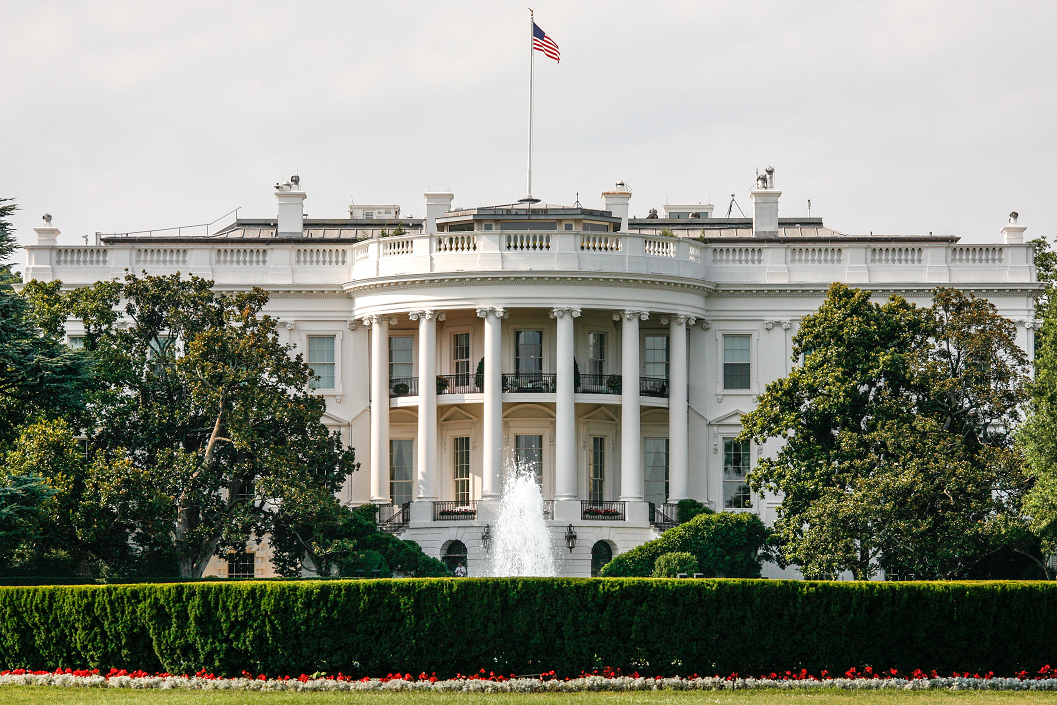
On February 1st, Donald Trump kicked off Black History Month with a renewed effort to connect with the Black American communities that he has throughout his campaign and early presidency. Convened by one of 国产视频 top communications advisers, Omarosa Manigault, the event will likely be remembered for , but it also generated reports of
Speculation followed over the next weeks about the impending executive order鈥檚 content, and was laid to rest by a聽.聽The order, 聽will transfer administration of the White House Initiative on HBCUs from the Education Department to the White House itself.聽The switch is intended to facilitate HBCU contact with the President and his senior aides, and was one of two suggestions from the Thurgood Marshall College Fund, which supports 54 institutions including the 47 publicly-funded HBCUs, and the聽United Negro College Fund.
.聽HBCUs have been plagued with insufficient (and sometimes ) funding since their beginnings. Recognizing this over the past decades, numerous federal efforts to close the funding gap between HBCUs and primarily white institutions (PWIs) have developed, among the most notable being the signed by President Carter that first established the White House Initiative on HBCUs. In FY2017, HBCUs are slated to receive 聽Still, state funding disparities, lower rates of enrollment, , and have left HBCUs with fewer programs, deteriorating facilities, and an overall .
In spite of these historical inequities and current funding challenges, HBCUs continue to award more professional and STEM degrees to Black college students than PWIs. 聽Though PWIs boast higher overall bachelor鈥檚 completion rates (47% as opposed to HBCUs鈥� 32%), HBCUs confer about attending four-year institutions, even though they only enroll about 8% of them. HBCUs also enroll of students who receive Pell Grants, serving more first-generation and low-income students than the average PWI. Simply put, HBCUs render an important service to marginalized students. Policymakers should do what鈥檚 needed to help them keep boosting college access and opportunity, and should carefully scrutinize any order that claims to do so.
Moving the White House Initiative on HBCUs will ideally provide more direct access to the President and thus, supposedly, more opportunities to increase institutional funding through federal grants and contracts. According to President Trump, the Obama Administration鈥檚 work with HBCUs 鈥渓ost track because they didn鈥檛 have the full force of the White House behind it”, referencing President Obama鈥檚 , who chafed at his , which were later revised in response to the backlash. Other HBCU leaders, as well as for HBCUs and , also took issue with Obama鈥檚 gainful employment accountability measures, accusing them of needlessly reducing college access to underserved students, especially minorities and those with lower incomes.
Acting in any way to strengthen HBCUs could help President Trump fulfill his to 鈥淯rban America鈥� — a coded term for . But while moving the White House Initiative on HBCUs to the White House could open new lines of communication between HBCUs and the Administration, no concrete funding goals have been set, nor any initiatives actually guaranteed, except to 鈥� in supporting HBCUs. Institutions’ presidents and administrators — particularly at HBCUs with smaller endowments and lower enrollments — could still have their work cut out for them to secure enough grants and partnerships to effect substantial change.
With supplemental funding for HBCUs in the hands of the executive branch, moreover, campuses may have to tread carefully around a temperamental and often insensitive administration. Donald Trump has already threatened financial punishments for college campuses and city governments that irk him: 聽with its response to聽student protests against Milo Yiannopoulos, as have several other聽 for undocumented immigrants, which advocated for as well. There is little doubt that Donald Trump would try to wield such influence against HBCUs like Howard if so inclined.
Finally, increased funding to HBCUs may not significantly improve overall postsecondary success if the Administration moves forward with ,聽rolling聽back the Obama Administration鈥檚 鈥渉eavy-handedness鈥� with regard to the for-profit sector. Eliminating borrower protections and weakening or abolishing gainful employment metrics place , at risk of for dubious credentials from unscrupulous providers. Though not as outrageous as , returning impunity to poor-performing postsecondary programs in the name of access or student choice needlessly endangers America鈥檚 least-served students.
HBCU leaders and students will have a lot to consider as the new order comes into effect, and observers will need to keep a close eye on its outcomes. Transferring control of the White House Initiative on HBCUs — and noncommittal promises of third-party funding — will not be enough for President Trump to fulfill the educational promises made in his campaign to Black Americans. Increased funding for Pell Grants, the maintenance of robust financial and performance accountability measures, and the continued existence of the Office for Civil Rights will be crucial to ensuring the equitable access to education that the Trump Administration claims to support. In the meantime, there will be plenty to watch as HBCUs and the Administration navigate this new relationship.
More 国产视频 the Authors

Michael Prebil
Issues
Programs/Projects/Initiatives
Related


What Was Supposed to Save Taxpayers Hundreds of Millions Will Instead Cost Billions: New College Accountability Rules

For Most Renters, Eviction Threat Falls with Age. Not for Older Student Parents.
