Emily Hallgren
PhD Intern, Better Life Lab
Target Audience: Families, housemates
Ages: All ages
Category: Leisure
Estimated Time: 30 minutes – 1 hour
Difficulty Level: Easy
The past seven months have been challenging for all types of households. Schedules have been upended. Homes have become makeshift offices. Classrooms have gone remote or hybrid. Child care centers are closed. Households have added masks, gloves, and hand sanitizer to the list of household to-do鈥檚. The COVID-19 pandemic has increased stress and anxiety for everyone.
And many people feel like they鈥檝e fallen into a pandemic rut. Some days, the stress and work that the pandemic has piled on seem never ending. Other days, work and life blur and time feels like it鈥檚 flowing backward. Some activities that used to break up the routine aren鈥檛 available to us. And as notes, we鈥檝e lost access to community spaces like coffee shops, playgrounds, and friends鈥� homes where we could restore and connect more fully with our whole selves beyond work and home. Benson notes that when we feel stressed or stuck in a rut, it鈥檚 common to tune out with social media, binging T.V. shows, or other habits that can actually drain our energy and make a rut feel deeper. When this happens, it鈥檚 harder to see how our fellow household members are doing or connect with them amid all the upheaval caused by COVID-19.
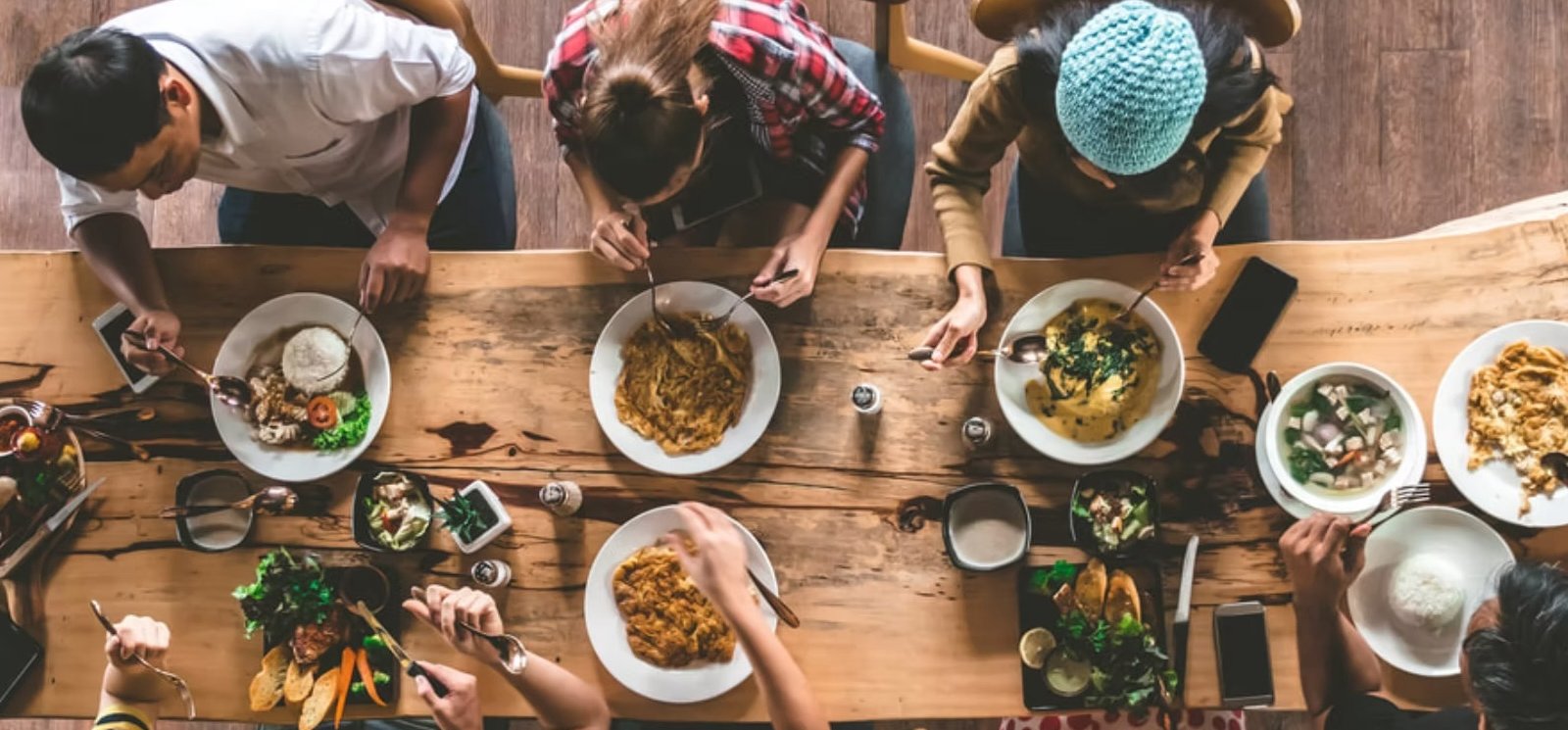
To get out of these ruts, coach Benson encourages households to establish a new pattern that allows household members to be present, playful, and de-stress. Kyle recommends creating a daily ritual of connection for the entire household or family. To paraphrase Benson, a ritual is 鈥渞epeated, planned, and most importantly, designed to be meaningful鈥� to everyone in the household. 鈥淭he goal,鈥� says Kyle, 鈥渋s to add playfulness and intentionality into the chaos of all of this.鈥�
The ritual of connection can be anything that creates space for household members to be present with and for one another. Once household members are better tuned in to one another, they will be able to better notice the household tasks that may have fallen disproportionately on some household members. Consider the ritual of connection a first step toward creating the awareness, connection, goodwill and communication skills that will lead to sharing the household load fairly during the pandemic.
Research shows that for our happiness. In , people who spent a little money to buy themselves more free time reported feeling happier than those who bought stuff.
Are you going to try this week鈥檚 experiment? Do you have a story about how you and your own family solved a problem with the work at home? Is there a specific challenge you鈥檝e been trying to tackle? Can this experiment be improved? Please let us know via this , at [email protected], or in our .
Be sure to also sign up for our biweekly newsletter!
PhD Intern, Better Life Lab