
Finding Inspiration in the Messy Muck of Protest
There were moments while I was reading Liza Mundy鈥檚 Code Girls when I felt a profound sadness. I know, not exactly what you鈥檇 expect from what鈥檚 intended to be an inspirational read, but it was in those moments, actually, that I found inspiration.
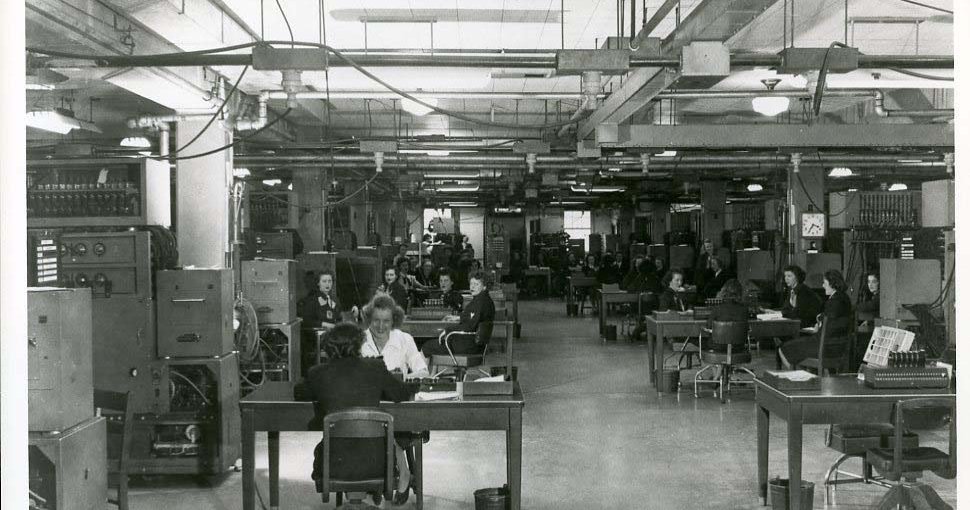
Mundy鈥檚 book details the work of female codebreakers during World War II, as the United States struggled to develop an intelligence community. Their work contributed greatly to the Allied victory and had an immense impact on the D-Day landing in Normandy, in 1944.
But the women, unsurprisingly, never received credit for their contributions. Military leaders declared that codebreaking shortened the war and saved thousands of lives, but no one mentioned that it was more than 10,000 women who鈥檇 led that effort. The women worked under enormous stress, fully aware of what their success鈥攐r failure鈥攃ould mean for American forces. And, on top of all that, they faced sexism in the workplace, and when the war ended, they were ushered out to make room for the men coming back from war.
It was then that I felt that profound sadness鈥攁s I read about women who鈥檇 left jobs they鈥檇 excelled in and very much enjoyed to fulfill society鈥檚 expectations of them. Mundy writes about the women who struggled to leave codebreaking and find contentment and fulfillment as a housewife.
Some stayed in their positions and developed what鈥檚聽now the National Security Agency (NSA)鈥擜nn Caracristi, who was the head of the Japanese Army address research section, would become the first female deputy director of the NSA鈥攂ut most left to get married and have children.
That mass exodus meant that 鈥渢he nation lost talent that the war had developed,鈥� as Mundy writes. And in the 1970s and 鈥�80s, 鈥渨omen at the NSA would have to fight a battle for parity and recognition all over again.鈥�
Heartbreaking, right? But that鈥檚 when I felt most inspired. When I remembered that women have always fought鈥攁nd, most likely, will always fight鈥� for equal opportunity. Just as the female codebreakers of WWII fought to be a part of the war effort; just as the women of the suffrage movement demanded the right to vote; just as the women of the civil rights movement stared racism and bigotry in the face; just as women marched on Jan. 21; just as women re-ignited the decade-long #MeToo movement鈥攕o will women continue to fight for equality. When women鈥檚 voices are suppressed, when their rights are threatened, when their workplaces become breeding grounds for sexual misconduct, they stand up. They fight back, just as generations of women did before them, and just as the generations after us will.
I dog-earred countless pages of Code Girls so that I could go back and remind myself of the brilliant women of WWII: the women who broke impossible codes or recovered 2,563 additives in one day, and, in particular, Jane Case Tuttle, one of the codebreakers Mundy interviewed for the book, who threw clean, balled-up socks at the TV during the 2016 presidential election when a politician she hated came on.
What would our workplaces look like now, had those women remained in codebreaking? How would gender roles have been impacted? It鈥檚 sad to think about the path not traveled. But again, that鈥檚 where I find hope. A hope that as stories of remarkable women are told, we will find the strength to take the torch from them and continue the journey.
More 国产视频 the Authors
Related

Engagement in a Civic Education Desert

Built to Last: How Leaders Are Creating Sustainable Early Childhood Funding

Pre-K Is Having a Curriculum Moment. A Professional Learning Movement Needs To Follow.
