Genderism: Sexism鈥檚 Evil Twin
How to fight the destructive prejudice that鈥檚 poisoning the cybersecurity industry.
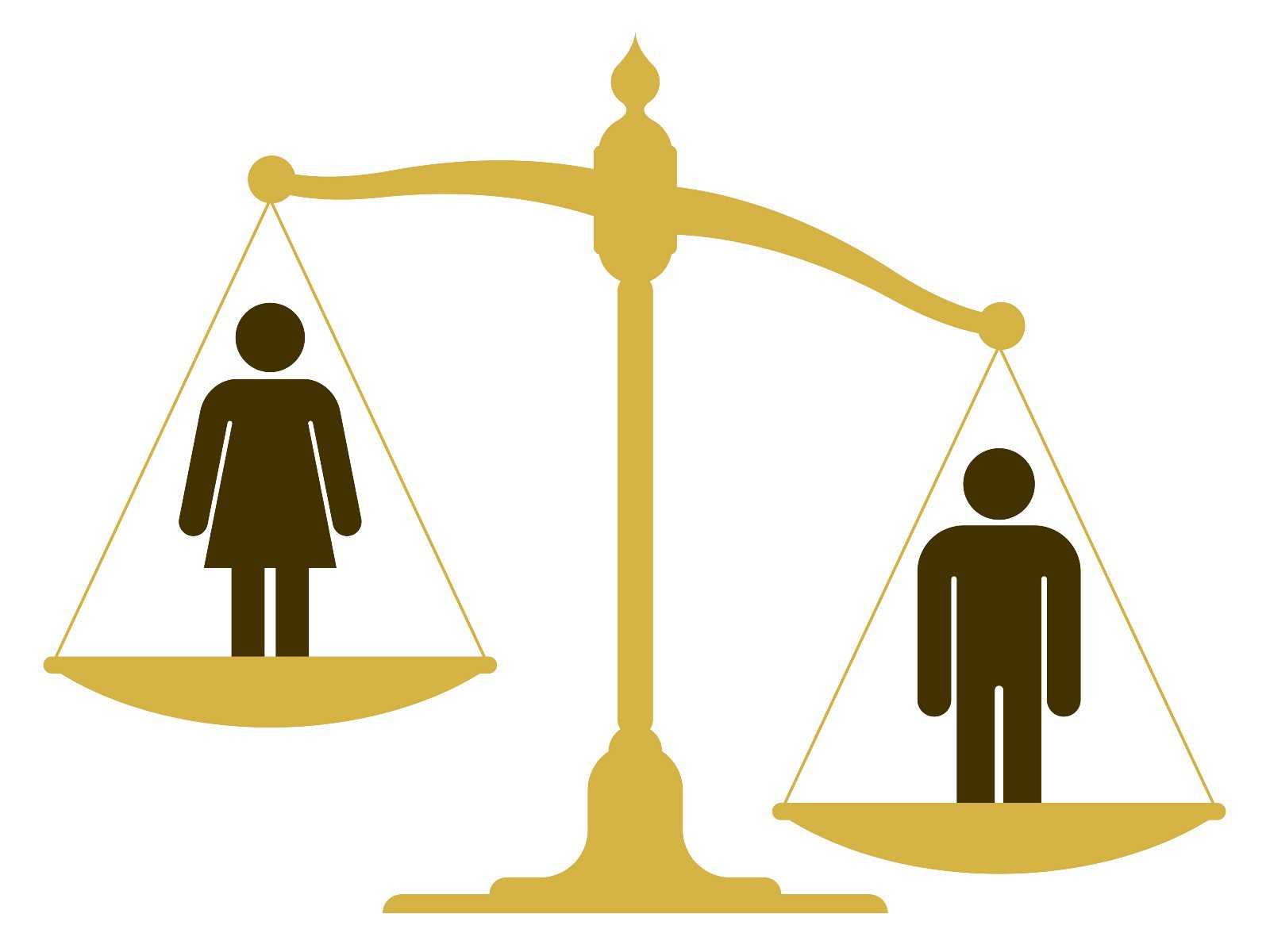
Several years ago, when I was in my early 30s, I interviewed for a technical cybersecurity position with a Fortune 500 company. It was a stretch interview: I don鈥檛 have a computer science degree but had spent time and money pursuing technical certifications, teaching myself how to use BackTrack, (a version of Linux designed for digital forensics and penetration testing use) and networking like crazy to try and break into the field. I was invigorated by the prospect of being immersed in a new industry, one that was in its infancy and had tremendous opportunity and potential. I didn鈥檛 get the job, which didn鈥檛 surprise me.
What did surprise me was what happened at the end of my conversation with the hiring manager. I had just finished explaining why I鈥檇 be a great candidate: I thrived in new environments, and my previous roles had prepared me for the open position. When I paused to give the manager, who was roughly my age, an opportunity to react, he didn鈥檛 comment on my lack of hands-on-experience or how my technical certifications were inadequate. He said he was surprised that he was interviewing a mom.
In his defense, he didn鈥檛 say this was a bad thing and his tone of voice didn鈥檛 relay any connotations, positive or negative. It was just a statement. 鈥�I鈥檓 surprised to be interviewing a mom.鈥� Hindsight being 20/20, I wish I had asked him why. Instead, caught off guard, I sat silently. He asked me a question about encryption techniques and the interview went on.
Nearly 10 years later, I鈥檝e now broken into the industry鈥娾�斺�奍鈥檓 a cyber strategist and I work for a federally funded research and development corporation advising government sponsors on cyber strategy and policy implementation and capacity building. But I still think about that statement. It was the first time I remember being aware that there was some correlation between my being a mother (or a woman, or a parent, or something personal) and my being considered for a job. I know鈥娾�斺�妌a茂ve right? To think of yourself as just a 鈥渨orker鈥� in the eyes of a prospective employer? Naivety aside, that experience led me to start thinking about the relationships among sex, gender and being a human in the tech industry. There鈥檚 one prominent dynamic I鈥檝e noticed since then that I think deserves attention. I call it Genderism.
Genderism is a term I use to describe a dangerously transparent patriarchy that plagues industry, and it may affect technical industry more than others. It鈥檚 transparent because it鈥檚 often overlooked or completely ignored. It鈥檚 dangerous because it negatively impacts nearly every part of working life. That鈥檚 in part because it鈥檚 different from sexism. One鈥檚 sex is determined by the physical attributes that make them male, female or transsexual, the form their physical body takes. Sexism is the unfair treatment of people because of their sex. What I鈥檓 describing here is genderism, sexism鈥檚 evil twin. Our gender is defined by the behavioral, cultural, or psychological traits typically associated with one鈥檚 sex. Genderism is my term for a disdain for femininity鈥娾�斺�奱nd it hurts men and women.
Here鈥檚 what I mean. There are some traits that, according to research, tend to appear more prominently in women (not all women). These include traits like empathy, vulnerability, humility, inclusiveness, generosity, balance, and patience. But humans are complex. We all possess a unique personal cocktail of traditionally 鈥渇eminine鈥� and 鈥渕asculine鈥� gender traits.
In an ideal world, we would call all of these 鈥渉uman鈥� traits. But since humans like to label things, and for the purposes of my argument, I鈥檓 calling attention to the traits that appear more commonly in women. I鈥檝e found that there鈥檚 a strange double standard that occurs in industries where masculine gender traits and behaviors are highly valued when they are demonstrated by men, and sometimes valued when they are demonstrated by women. Feminine traits and behaviors, on the other hand, are rarely valued when demonstrated by women and entirely disadvantageous when demonstrated by men. This dualism can be more destructive than sexism because it not only devalues women bodily in the workforce, it devalues anything feminine in the workforce鈥娾�斺�妛hether that femininity appears in a woman, or in a man, or in an idea or a concept.
Imagine a male being assertive in the workplace鈥娾�斺�妕hat behavior is expected and often appreciated. Imagine a woman being assertive in the workplace鈥娾�斺�妋aybe that鈥檚 appreciated, or maybe she鈥檚 called pushy, arrogant or abrasive . Now imagine a woman showing an emotion, maybe even tearing up in a meeting鈥娾�斺�妋akes you cringe, doesn鈥檛 it? But consider that a man tearing up in a meeting is often just as stigmatized. The fact is that women not only face sexism (like the assertiveness example) but men and women both face feminine genderism at work. There is a transparent layer of disdain for feminine attributes that pervades the workplace.
Cybersecurity is at risk for pervasive genderism. It鈥檚 male-dominated (the latest numbers show that women comprise only 10 percent of the workforce). But my concern is not just that cybersecurity is lacking in women (bodily), it鈥檚 that cybersecurity is lacking in 鈥渇eminine鈥� thought. One example is the propensity to define our work with a vocabulary constructed by men to discuss culturally masculine disciplines鈥娾�斺�妛e talk about the adversary a lot, but not so much about our friends in cyberspace. In their 2007 study, 鈥淲omen, Science and Interdisciplinary Ways of Working,鈥� Diana Rhoten and Stephanie Pfirman discuss correlation between gender and specialization, with preliminary findings suggesting that women might have a predilection for interdisciplinarity.
Their research demonstrates that women were likely to pursue interdisciplinary research and inquiry more readily than men. However, in cybersecurity, we still spend more time analyzing a kill chain and the individual technical steps and processes associated with it then we do telling the holistic story of a cyber incident and drawing interdisciplinary conclusions. The images and terminology of 鈥渕ilitarized鈥� cyber are all over industry (attack and defend for example) while cyber capacity building is relegated to academia and diplomacy. I would argue that cybersecurity is becoming more and more specialized and hierarchical; a tough nut to crack for smart humans who think in terms of webs and relationships rather than pyramids and processes.
Gender issues are highly sensitive and can elicit visceral reactions from all sides. I realize that by suggesting that some forms of thought are correlated with femininity, I risk a scathing outpouring of criticism from those who strongly believe gendered labels are the root of evil and must be destroyed. And that may be the right long-term goal. But for now, I鈥檓 more concerned with the lack of important human values like relationships, inclusiveness, mediation and openness in the way we talk and think about cybersecurity. Addressing that lack may be the best chance we have at balancing the culture of the industry and in turn, attracting more females to the field.
More 国产视频 the Authors
Issues
Programs/Projects/Initiatives
Topics
Related

A Human to Know: Dr. Ashley Podhradsky

Don’t Touch My Password Routine!

“Quota Women”