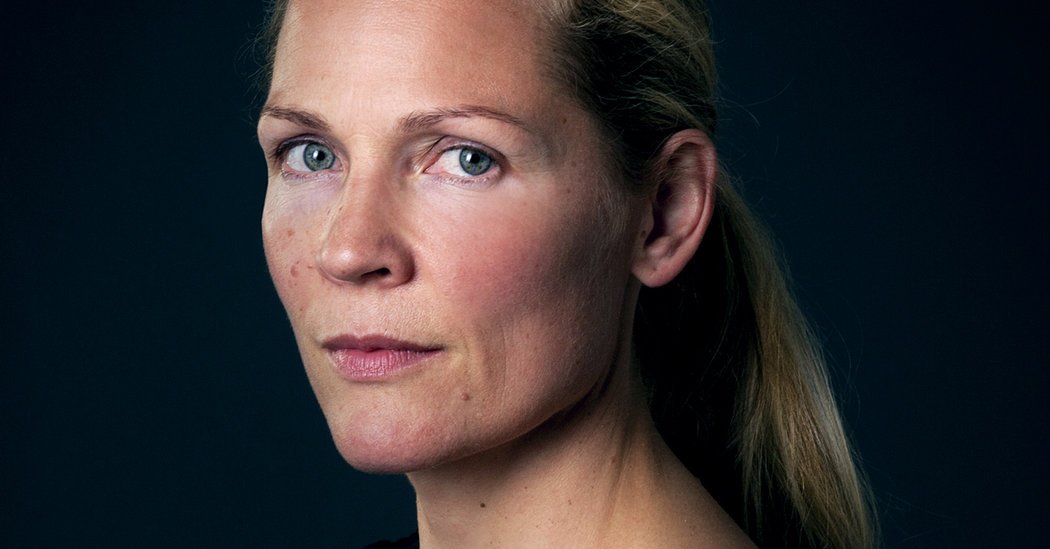
Katherine Zoepf
Bernard L. Schwartz Fellow, 2012
Around the mid-twentieth century, thanks to Social Security and the spread of company pensions programs, the idea that working life should end in a period of dignified retirement began to take hold in the United States. By the 1980s, the notion that retirees should enjoy some 鈥済olden years鈥� of travel and relaxation had come to seem, to middle class Americans, like a natural right. But as the baby boom generation reaches retirement age鈥攁n estimated 10,000 Americans turn 65 every day鈥攔etirement remains a distant dream for many. Millions of them were laid off late in their careers or, with pensions mostly a thing of the past, haven’t themselves saved enough for secure retirements. Increasing life expectancies and a weak job market mean that many are caring for elderly parents and providing for adult children鈥攐r both鈥攚hile some seek to redefine their senior years.
Bernard L. Schwartz Fellow, 2012