Stephen Burd
Senior Writer & Editor, Higher Education
The Republican Party鈥檚 stance on for-profit higher education
is similar to the . Despite voluminous evidence that a
significant share of for-profit colleges have defrauded students and taxpayers,
Republican lawmakers refuse to acknowledge that there have been any problems. The G.O.P. has become, over the past two
decades, a party of for-profit-college-abuse deniers.
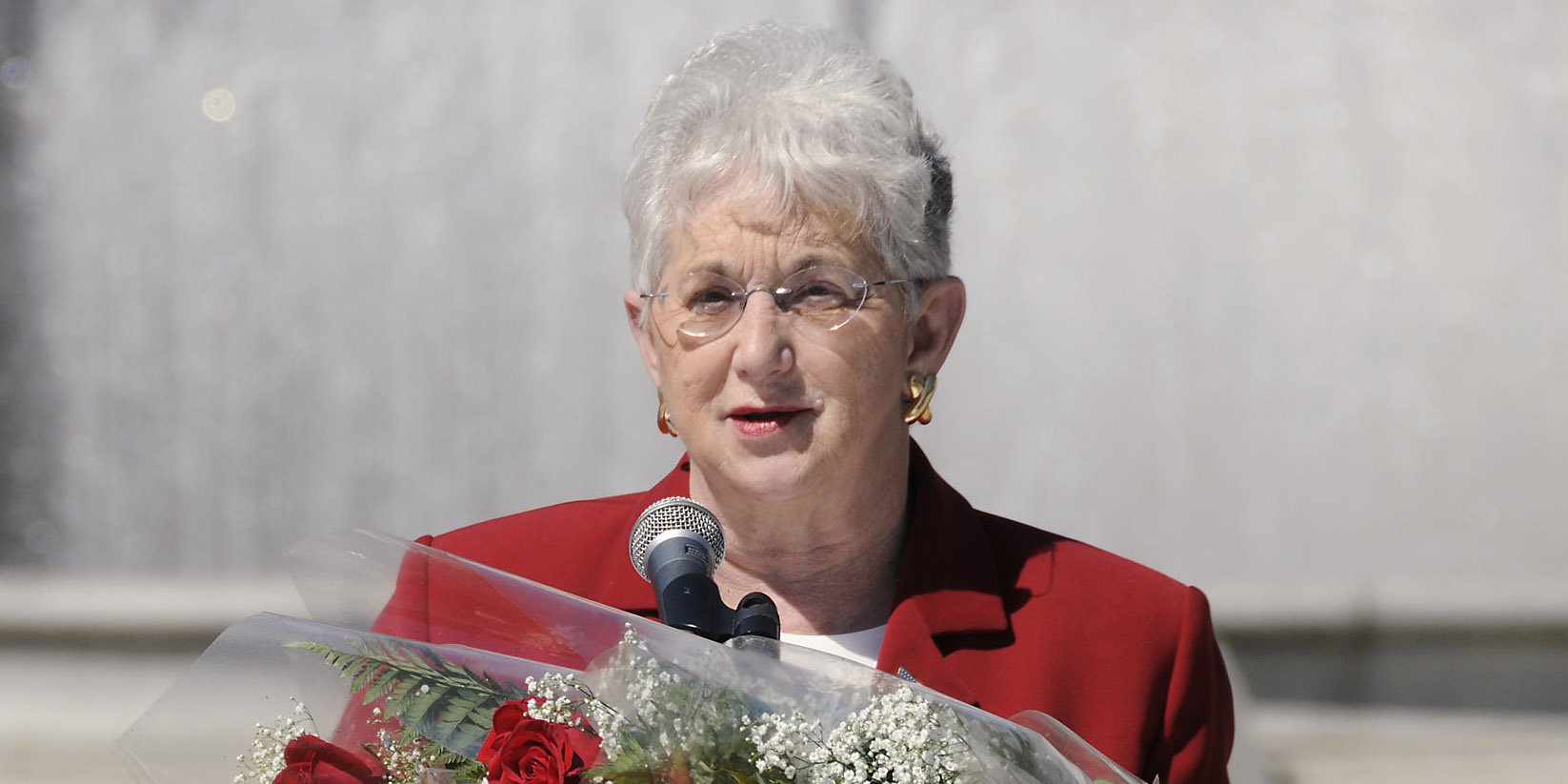
The lawmaker who appears to be most in denial is Rep.
Virginia Foxx, the North Carolina Republican who is now in charge of the House
Committee on Education and the Workforce. Speaking to in November, Foxx
said that she wasn鈥檛 aware of any evidence that for-profit college students
have been defrauded. Of course, you鈥檙e not going to see any evidence of abuse,
if you turn a blind eye towards it.
Republicans have not always taken a see-no-evil and
hear-no-evil approach to the for-profit higher education sector. As our
colleagues at the last week, 鈥淩epublicans, including those in the White
House, frequently took more aggressive steps than Democrats to protect students
and taxpayers鈥� from sham for-profit schools in the past.
The Eisenhower administration, for example, in the mid-1950s into for-profit trade schools鈥�
exploitation of the original G.I. Bill. In
the 1980s, President Reagan鈥檚 Education Secretaries and (now a ) championed efforts to bar schools with high
student-loan default rates from participating in the federal student loan
program. And in the early 1990s,
Republican Senator William Roth joined forces with Democratic Senator Sam Nunn
to lead a into for-profit schools鈥� abuses of the federal
student aid programs.
In contrast, when the Democratic Senator Tom Harkin led a
similar investigation into for-profit college abuses in 2011, the Republican
members of the Senate Health, Education, Labor, and Pensions (HELP) Committee , complaining that he was conducting a witch hunt.
So what changed in the 20 years between the Nunn and Harkin
investigations?
The answer is that the for-profit higher sector transformed
itself. The old generation of mom and pop trade schools died off, and by a new
breed of for-profit colleges 鈥� mostly huge, publicly traded corporations 鈥�
began to dominate the industry. These corporations were not only much larger,
serving tens of thousands of students, if not more, but they also had much
deeper pockets than their predecessors, allowing them to . 聽At the same time, the Republican Congressional
leadership began the infamous 鈥�,鈥� rewarding industries that were generous to their members.
Republican lawmakers who pushed legislation to deregulate these giant for-profit
college companies (as were Democrats, , who shilled for the industry.) In fact, campaign
contributions from the student-loan and for-profit college industries helped .
Republicans responded to these companies鈥� largess by taking the
reins off the industry 鈥� essentially giving these schools the green light to
rip off students and taxpayers.
In 2002, the Bush administration that Congress had passed a decade earlier to prevent
schools from compensating recruiters based on their success in enrolling
students. Under Bush, the Education Department issued new regulations creating giant loopholes
that allowed for-profit colleges to easily circumvent the law. As a result, in聽 to lift their stock prices and receive ever-larger
amount of federal financial aid, many of these companies encouraged their
employees , who ended up taking on
significant amounts of debt for training from which they were unlikely to
benefit.
And then, in 2006, Republican lawmakers succeeded in
striking down another important consumer protection law that limited the growth
potential of these companies. By eliminating the 鈥�50 percent rule,鈥� which had
prohibited colleges from participating in the federal financial aid programs if
they enrolled more than half of their students in distance education courses,
Congress allowed these companies to carry out their . From 2005 to 2010, Bridgepoint Education, for example,
expanded its enrollment 聽by over 7,800 percent, from 968 to 77,179 students, according
to 聽Unsurprisingly, considering its extremely rapid growth, the company in recent years has been the over allegations that it has
defrauded students.
Given and put students and taxpayers in harm鈥檚 way, is it any
wonder that G.O.P. lawmakers continue to refuse to acknowledge that there have
been any problems? Unfortunately, this incredibly disturbing level of denial means that history will probably repeat itself, with the Trump administration and Republican Congressional leaders trying to take the reins off this often-unscrupulous industry all over again.
Senior Writer & Editor, Higher Education