
Sarah Jackson
Principal at SJackson LLC
A new coalition builds parents鈥� advocacy skills to create more supportive schools for their boys
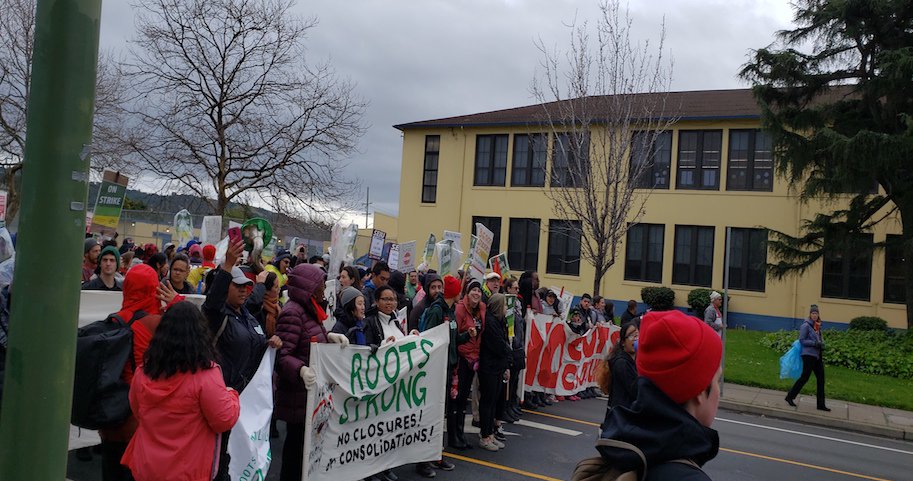
In a community room in Oakland, parents of boys of color are drawing their hopes and dreams for their children on a big piece of butcher paper. Amid the usual visions for the future鈥攇o to college, be healthy鈥攕ome statements are striking: 鈥渢o just survive,鈥� one writes. To 鈥渟tay out of jail,鈥� another says.
A from Stanford University published this month, shows that the local school district is making progress in supporting African American boys growing up here鈥攖o stay safe and to thrive. But hurdles for boys of color鈥攊ncluding those from the city鈥檚 diverse immigrant communities鈥攔emain. Boys of color are than their white peers to be ready for kindergarten and are more likely to fall behind as they progress in school.
But an important source for helping these boys succeed may lie with their families. A new community coalition is helping parents and caregivers become community leaders so they can advocate for their children in the city鈥檚 public schools and other civic institutions, starting in the early years.
鈥淲e need parents to lead for change,鈥� said Monica Scott Green, a program director with, a social justice organization that trains parents to be leaders in the city. 鈥淭hat鈥檚 where the passion is, that鈥檚 where the wisdom is.鈥�
that parents and caregivers have deep expertise in how to build resilience in their own children and to help their kids succeed. But they often feel marginalized in the city鈥檚 public schools, Green and her colleagues say. Teachers in Oakland are unlikely to come from the same communities as children of color, there are very few male teachers for young children, cultural bias exists, and families can feel unwelcome.
鈥淲e felt like PLAN鈥檚 skill set was very unique,鈥� said Priya Jagannathan, the manager of Oakland, the community coalition that hired PLAN. 鈥淲e felt like it was very important to center and have leadership from local parents of color.鈥�
Claudia Inda is one of the parent leaders. Inda attended regular training in the evenings with other parents to become a facilitator as part of PLAN鈥檚 Parent Organizing Fellowship Program. Inda learned about issues facing young boys of color in Oakland and how those issues intersect with politics and education. The group also affirmed families鈥� culturally-based knowledge about child rearing.
This work aims to build a larger group of parent advocates to demand more resources for young boys of color in the Oakland Public Schools and to improve the experience of those children once they get there.
Inda said the most surprising part for her was learning about how the school budgeting process worked and how money flows down from the federal and state governments to individual districts and schools.
鈥淏efore, I didn鈥檛 know anything about that,鈥� Inda said. 鈥淚 would like to know more. The more I know, the more I can do.鈥�
Inda came to the U.S. from Mexico when she was in her twenties and didn鈥檛 have a lot of support when she was going through school. She said she had no one to teach her about how the U.S. school system worked and how to get support for her son, an English Learner.
鈥淭hey need more help academically and emotionally and the majority of them are left behind, because of the language barrier,鈥� she said.
Through her work with PLAN, Inda was able to connect with other parents who shared her concerns and feel less alone.
鈥淚 know I am not the only one. If we work together we can make changes,鈥� she said.
Sasha Shane, a senior parent organizer with PLAN, said that though research shows family engagement is very important for student success, too often teachers and administrators feel like it is outside the scope of their jobs.
鈥淲hen we have parents conducting events and asking tough questions, that is something that culturally the school is not used to,鈥� Shane said. For example, parents come to meetings and ask for interpreters so they can understand the budget process and how money is allocated. 鈥淎 lot of teachers and principals are resistant to that.鈥�
By building a cadre of parent leaders in Oakland who are empowered to fight for change, PLAN hopes to change the culture at local schools and to improve equity.
Inda said she is interested in working on issues of early literacy and also on equity in sports offerings. She鈥檚 noticed that schools in the Oakland Hills often have vast more opportunities for extra curricular programming than those in Oakland鈥檚 more low-income and diverse flatlands.
In the past, groups of PLAN parent organizers have, for example, worked to make sure Oakland Unified is a sanctuary district that protects students of color, Muslim students, bilingual students, and LGBTQ students. In addition to the young boys of color campaign, PLAN currently has parent organizers working with black parents who have children with special needs, in the Arabic speaking community, and with school council members in San Leandro who speak Spanish.
This summer, Oakland Starting Smart and Strong published a that detailed strategies for supporting young boys of color and their families. A working group made up of early health and education providers and advocates from around the city came together to explore local and national research and to identify and recommend practices that local agencies are already using to support young boys of color.
The report found that the needs of the diverse boys of color in Oakland, many from the city鈥檚 immigrant communities like Inda鈥檚 son, have 鈥渙ften gone unrecognized in approaches to early learning, and disparate outcomes persisted,鈥� an experience the authors note 鈥渉as been compounded for many Oakland families of color by economic, social, and language barriers.鈥�
Parent and community leaders will be sharing the findings of the report and plan to use them to advocate for change.
鈥淲hen we are united,鈥� Inda said, 鈥渨e are very powerful.鈥�
Enjoy what you read? Subscribe to our newsletter to receive updates on what鈥檚 new in Education Policy!
Principal at SJackson LLC


