Elizabeth Weingarten
Senior Fellow, Better Life Lab
Conversations with the people who are changing the way we live our lives online

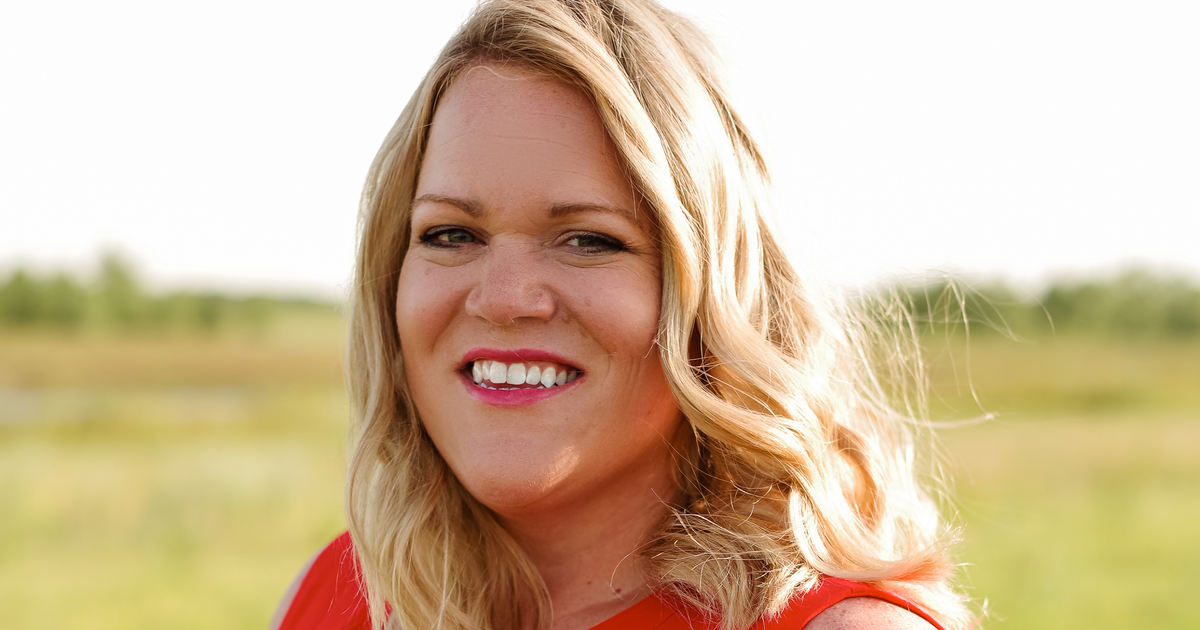
Growing up in Tel Aviv in the 1980s, Keren Elazari read encyclopedia volumes for fun鈥娾�斺�娾�渢hat鈥檚 as nerdy as it gets!鈥濃�娾�斺�奱nd devoured science fiction novels. Fictional characters like Angelina Jolie鈥檚 character, Acid Burn, from the movie Hackers, inspired her to become a cybersecurity expert. Known for her 2014 TED talk where she argued that hackers are the Internet鈥檚 immune system, Elazari recently became the first hacker to grace the cover of Forbes Israel. I caught up with her over Skype this week to talk about her legacy and work, and what she sees as the biggest cyber misunderstandings and threats today. An edited version of the interview is below.
What do you see as the beginning of our current era of cybersecurity鈥娾�斺�妛hen the world woke up to these issues as significant threats?
The summer of Stuxnet was a watershed moment for age of cyber warfare. Of course things happened before that, but from a global perspective, the discovery of Stuxnet in 2010 also brought with it the realization that 15,000 lines of code, when deployed with a surgical and strategic goal in mind, can change course of history by preventing nuclear armaments from being developed.
You鈥檝e been immersed in this field since the late 1990s鈥娾�斺�妛hat do you see as the biggest misconception that people have when it comes to understanding cybersecurity today?
Cybersecurity is not about protecting secrets. When people think about cyber, they think about passwords and privacy鈥娾�斺�妕hat the purpose of cybersecurity is protect our secrets online. Really, cybersecurity is about protecting and safeguarding our way of life. That this way of life is under attack is evidenced in manipulations of elections, hacks into medical systems, hospitals. We need to focus on building up the trustworthiness, safety and resilience of the elements that we consider to be part of a 21st century society: electricity, freedom of speech, physical safety from cyber attacks via medical devices, cars, planes, shipping. Though of course there are privacy issues, those are not the biggest concerns鈥娾�斺�奿t鈥檚 not about protecting the confidentiality of the data being gathered by my pacemaker. The horses have already left the barn with regards to privacy and secrets. The safety aspect, that鈥檚 the biggest one we should be challenging in the years to come.
What are some of the most significant threats we face to safeguarding our way of life?
The first one is the consolidation of power by a few tech companies and service providers and cloud giants. We see the creation of potentially bipolar ecosystems鈥娾�斺�妕he U.S. and China. We could see a reality where you have Chinese web companies and U.S. tech companies, cloud giants that serve Americans and the rest of the world, and not a lot of alternatives or diversity in between. That鈥檚 not necessarily just a security concern, that鈥檚 a civic concern. What鈥檚 exciting to me is witnessing the innovation and tech breakthroughs coming out of European, Middle Eastern and Scandinavian regions. I hope that can tamper the bi-polar tides a bit.
The second is the cybersecurity industry鈥檚 massive talent gap between the people who are already working and the expectations of how many people and experts are needed and will be needed in the future. That鈥檚 a big challenge and it鈥檚 one that relates to inclusivity and diversity: If we try to address that gap without encouraging 51 percent of the population鈥娾�斺�妛omen鈥娾�斺�妕o join the workforce, we鈥檙e setting ourselves up for failure.
There鈥檚 also a skills challenge in our current workforce. There鈥檚 no one who is an expert on IoT security that has more than 10 years of experience. The question is鈥娾�斺�奾ow do we maintain our relevance and stay as fast as the adversaries? One thing that鈥檚 a given is that threat actors, rogue nations and adversaries are not standing still. They are constantly learning and inventing new capabilities, becoming more inventive and more innovative.
What鈥檚 next for you? In 30 years, what would you like to be known for?
I really like science-fiction thinking. I鈥檇 like to have the capacity to create some real world impact similar to the scope of science fiction鈥娾�斺�妕o bring about a massive change. How and which shape, I don鈥檛 know. I鈥檓 proud of the fact that a lot of people have embraced the point of view [from my TED talk] that friendly hackers are a necessary part of our world and big part of our future. I would like to write a sci-fi book.
Senior Fellow, Better Life Lab