
Kalena Thomhave
Emerson National Hunger Fellow, Family-Centered Social Policy Program
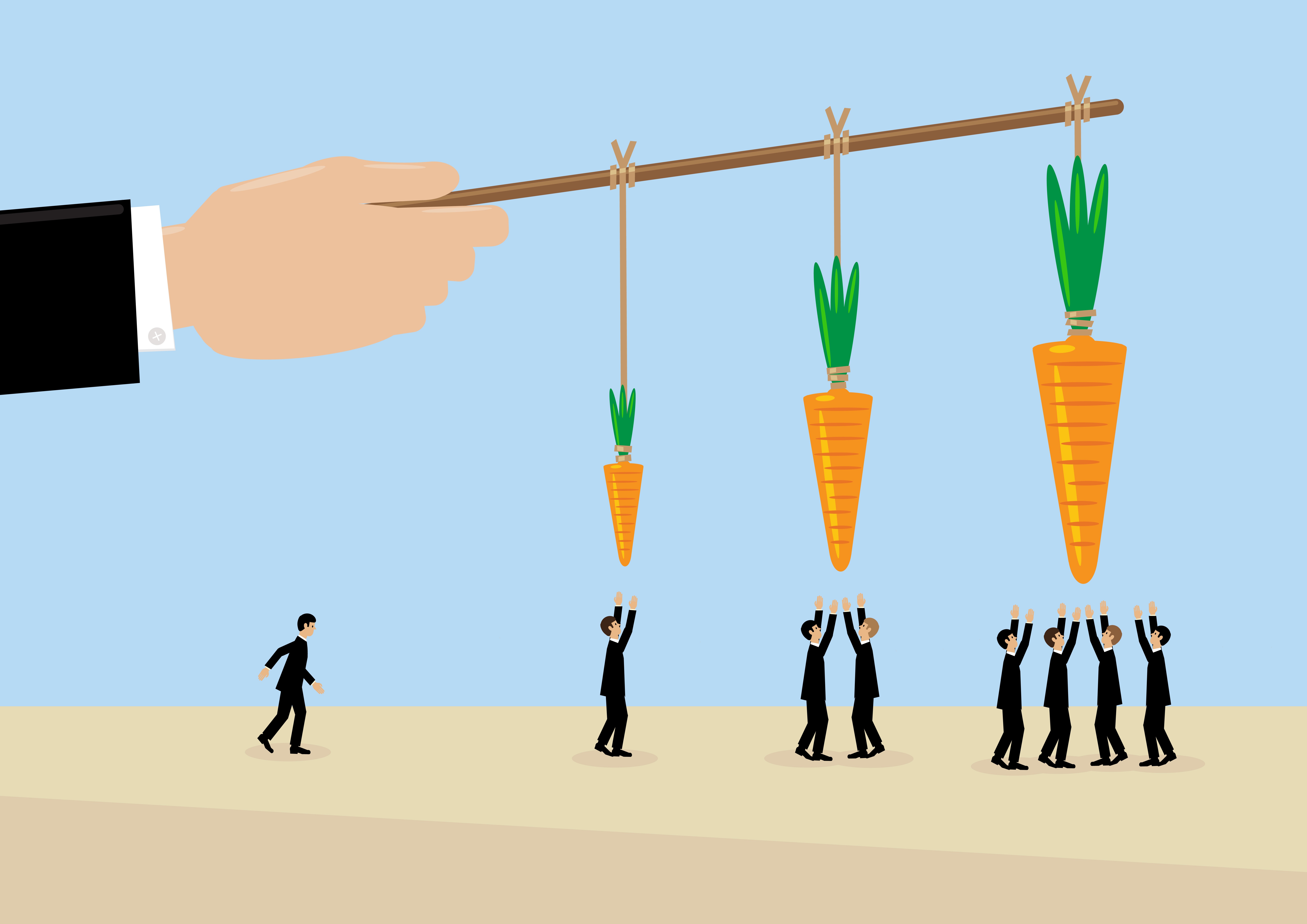
In , author Dan Pink posits a powerful provocation: traditional rewards aren鈥檛 as effective as we think. Instead, Pink says, social science tells us that people are primarily intrinsically motivated; we do things 鈥渂ecause they matter, because we like it, they’re interesting, or part of something important.鈥� This idea not only challenges the way we think about things like getting kids to make their bed or how we get employees to spend more time on their work and less time on Facebook; it can also shape how we design effective policy.
In few places have conditions and incentives been deployed as heavy-handedly as in public assistance policy. In 1996, the Personal Responsibility and Work Opportunity Reconciliation Act (PRWORA), commonly known as 鈥渨elfare reform,鈥� altered a cash welfare system that was thought to breed dependency on government assistance. PRWORA did this by imposing extreme conditions to benefits, with harsh penalties if families didn鈥檛 abide by new work requirements. To twist the metaphorical knife, families could only receive 60 months of benefits in a lifetime, with some states choosing to make this five-year benefit cap even more severe. The new cash welfare program enacted under PRWORA, Temporary Assistance for Needy Families (TANF), requires that recipients participate in 鈥渨ork activities,鈥� like job search training or volunteering, generally for at least 30 hours per week. If recipients don鈥檛 comply, they can be sanctioned from receiving benefits, sometimes permanently. States can also sanction participants for further infractions; sanction parents based on their children鈥檚 attendance or grades.
What鈥檚 more, families often seek assistance in the first place because of . But it鈥檚 up to the caseworker whether a hardship counts as 鈥済ood cause鈥� to miss an appointment, or if an individual鈥攐r sometimes their entire family (children included)鈥攚ill lose their benefits. Sanctions are often dealt out by caseworkers arbitrarily, and research shows that sanctions are to people of color. Compared to non-sanctioned TANF families, those who are sanctioned are . Perhaps it鈥檚 no surprise, then, that states with programs that are comparatively lenient have a of families leaving poverty than those states with stricter sanctions.
This sharp-stick approach is the exact opposite of how many other countries offer public assistance, where programs not only tie benefits to action, but also through incentives (carrots, if you will). Conditional Cash Transfers (CCTs), first modeled in middle-income countries in Latin America, incentivize families to participate in 鈥渉uman capital building鈥� activities, such as taking their children to the doctor or sending them to school. Families receive cash transfers based on task completion. In these countries, where rural poverty is high and measures like sending a child to school can be prohibitively expensive, CCTs have seen much success. After Mexico鈥檚 popular program, other countries started their own pilots. Today, over have some form of a CCT program. However, an important debate surrounding CCTs concerns whether the success of these programs actually arises from the CCT incentive structure. Do these payments incentivize or simply facilitate behavior?
in Malawi set out to specifically test conditionality as it relates to CCTs. The program transferred cash to three groups of schoolgirls, with each group tested in a randomized control study. One group of girls received cash transfers for school attendance, one group received cash with no strings attached, and one control group received no benefits. What the researchers found was that both groups that received cash transfers were more likely to go to school, and their poverty was lessened, as compared to the control group. But the conditionality? It had no significant effect.
Similarly, a 2011 study evaluated the effects of a program that transferred unconditional cash benefits to impoverished households in Kenya. The transfers to build assets, increase their investments, reduce their hunger, and increase their consumption, particularly on food, medical, and family expenses.
What this research suggests is that families in poverty don鈥檛 need policy to tell them what to do or not do; they need policy to assist them in what they already want to do, and in what they would have already done if various mechanisms weren鈥檛 actively working against them. What do people on public assistance want? Good jobs. While of those enrolled in the major U.S. public assistance programs are working, much of this work is from low-paying jobs with few benefits. consistently tell us that people on welfare would prefer a good job to a welfare check.
Current U.S. public assistance programs prioritize pushing people into work as quickly as possible, lest they be sanctioned for failing to meet their conditions. But they often disregard the fact that people in poverty face barriers to work that arise from the difficulties of being cash-poor (transportation, childcare, and education鈥攁ll almost certainly necessary for a job today). Cash benefits without conditions or incentives could help families overcome these challenges. And, if combined with robust jobs programs, they could help those who want good jobs attain them.
But we also have to consider why incentives and sanctions in public assistance programs exist in the first place. Receiving welfare benefits comes with welfare stigma, and the idea that people in poverty don鈥檛 want to work (nevermind that the ) is still pervasive. Our policies contain carrots and sticks simply because we think they鈥檙e necessary. We鈥檙e basing policy on stereotypes instead of reality.
Changing programs to better assist people who are poor doesn鈥檛 just mean combatting assumptions about motivation. It will also mean challenging assumptions about who is poor and why. Those of us writing and reading policy would say that we work because we want to. Perhaps we should afford the poor that same luxury.
Emerson National Hunger Fellow, Family-Centered Social Policy Program


