Hollie Russon Gilman
Senior Fellow, Political Reform Program
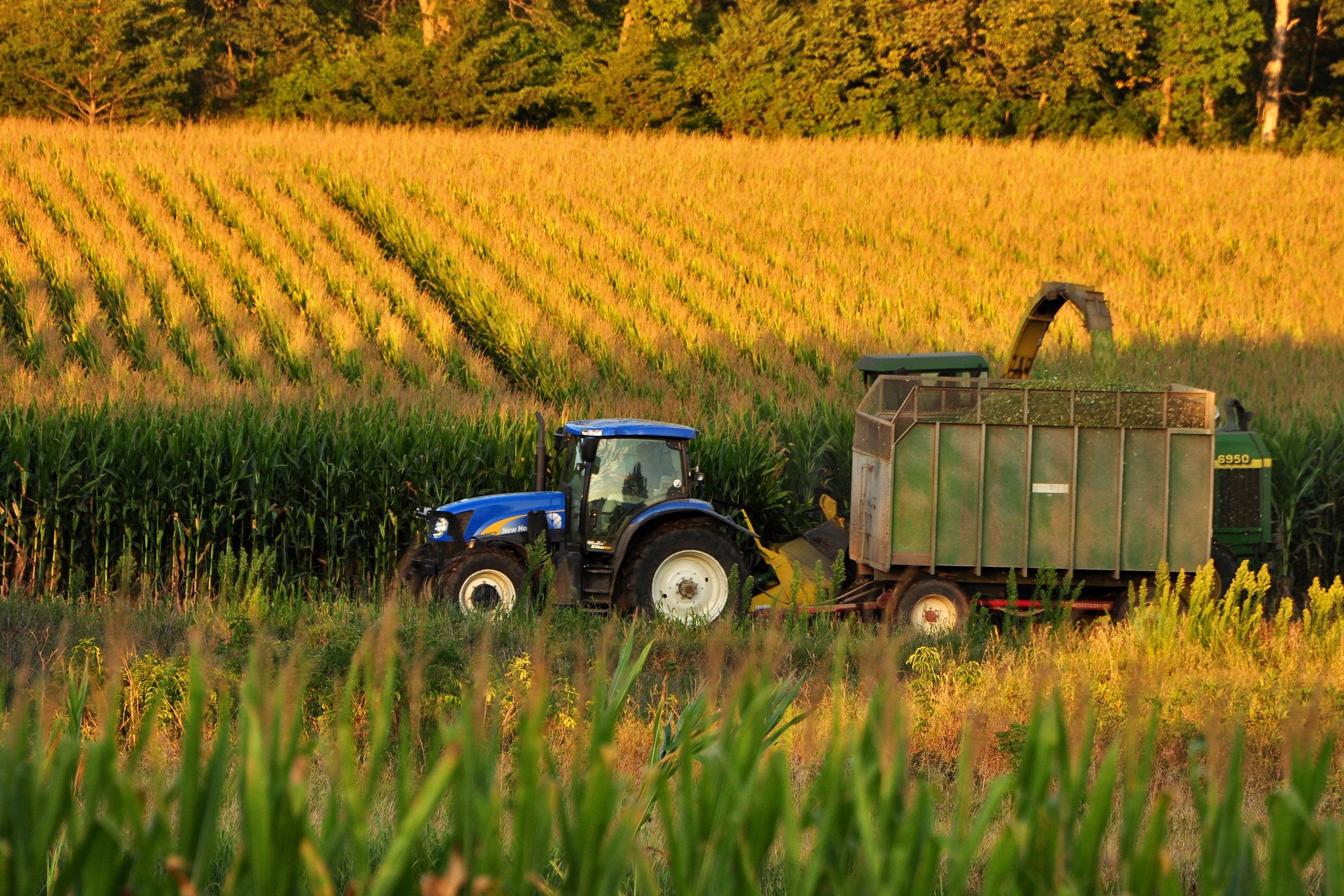
These days, there鈥檚 a great deal of curiosity and focus on rural America鈥攕pecifically, its role in our politics. The roughly 46 million Americans who live in rural communities face their own policy problems on issues ranging from to health care to infrastructure. But for many people in rural America, there鈥檚 something deeper: a feeling that their voices aren鈥檛 being heard within a democracy they see as dominated by urban elites, both in their state capitals and Washington. Cathy Cramer, a Wisconsin professor who studied rural Wisconsin communities for years, has dubbed this emerging rural consciousness the 鈥�.鈥�
Mutual understanding is critical within these communities. As Whitney Kimball Coe of the put it: 鈥淲e live, worship, and work together. We shop at the same grocery store and pick up our kids from school together. We can鈥檛 afford to be un-made by likes and聽dislikes, and there is no 鈥榙e-friending鈥� option if you want to keep going to聽Waffle House.鈥�
So what might it look like to have governance structures that fuel similar understanding with these rural communities on a larger scale? After last year鈥檚 electoral earthquake, it should be clearer than ever that those who believe in democracy need to create better mechanisms for rural residents鈥攊n counties, state legislatures, and Congress鈥攖o have their views heard, reflected, and encouraged in the policy landscape.
One promising model comes from a perhaps surprising issue: climate change. While most people鈥檚 stereotype of a climate voter might be a bicycle-riding urbanite, rural Americans have their own special stakes, from agricultural upheavals to extreme weather. 聽
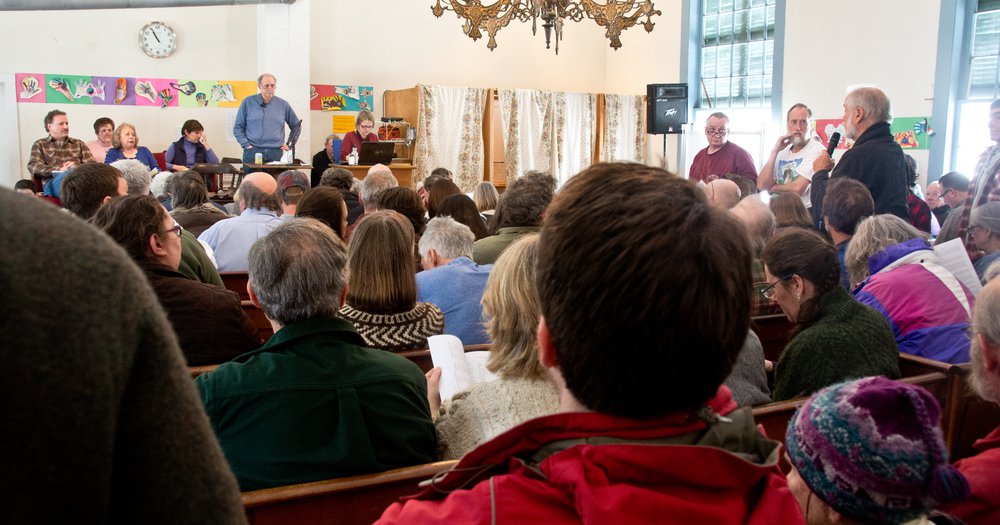
This was the motivation behind the , organized by the and the , which has been taking place over the last two years in three parts of rural Minnesota: Stevens County, Itasca County, and Winona County. Through the dialogues, people hear from rural experts, work directly with their neighbors to design actionable community and policy recommendations, and share their feedback with public officials at a statewide meeting of rural Minnesota citizens, state agency representatives, and non-profit organizations.
During the dialogues, each county offers its own plan, which provides a glimpse of resident鈥檚 policy priorities, such as how to alleviate the impact of severe weather. As one Winona County participant , 鈥淚 think we, the people, are the solution. What we do. What we learn. How we can be proactive. It鈥檚 like paying it forward to our grandchildren into the future.鈥� Many of the actions proposed by participants would benefit, or require, policy from state agencies.
As another participant , 鈥渙ur average farmer is 56 years old, so trying to convince them to go into a more sustainable method of farming, which involves a lot more equipment purchasing and completely changing farming practices, is hard to do for someone who is looking to retire. It鈥檚 something, I believe, that people know needs to be done鈥攊t鈥檚 just that there may be a bit of delay before we can see new farmers coming onto the land that can invest in the land and start using more sustainable practices.鈥�
Importantly, the Rural Climate Dialogues aren鈥檛 simply about listening; they鈥檙e also about empowering rural communities. By giving people an authentic seat at the table to make policy decisions, individuals, in turn, are able to take action within their own communities. Through these dialogues, rural people, who鈥檝e long been closed out of policy discussions, now have an opportunity to become leaders and to carry work forward locally. Indeed, the role of feeling heard by public officials extends beyond just how governance structures 鈥渓isten鈥濃�攊t also encompasses how rural people perceive the extent to which the rest of the country understands the challenges they鈥檙e facing. 聽
As another participant in the dialogue , 鈥渂efore I was a part of these events, I really didn鈥檛 think there was anything I could do about it. I was always just one of those who thought, 鈥業t鈥檚 too big of an issue. It鈥檚 happening. My hands are tied.鈥� Where, from these events, I realize that there are things we can do, even me personally, my community. It is a global issue, but there are community, individual issues too that can be dealt with.鈥�
These dialogues represent one small step鈥攁nd but one example鈥攐f how we might engage rural residents in policy decision making. Of course, this process isn鈥檛 insulated from other critiques of civic engagement, namely, the to effectively execute the process. There are also related concerns about how to ensure that the process is fair, objective, and scalable. However, even with these caveats, the dialogues represent a powerful opportunity for rural residents to be active policy co-creators within their communities.
At February鈥檚 , hosted by the , there were discussions about how those of us in 鈥渦rban America鈥� can learn from those in 鈥渞ural America.鈥� As Scott Reed, of the PICO network, : 鈥淭he more we are able to build bridges that are value-driven, we begin to create a sense that our future is ours to create, and it鈥檚 not being done unto us.鈥�
It鈥檚 up to policy makers, in other words, to construct and bolster the pathways for voices of all stripes to be heard.
Senior Fellow, Political Reform Program