Hollie Russon Gilman
Senior Fellow, Political Reform Program

At a time of growing inequality, can civic tech and public policy level the playing field?
That鈥檚 one of the big questions currently looming over cities all across the country. New York City, for instance, is as the largest truly urban center for technological innovation, and the second-largest tech hub in the world after Silicon Valley. Supporting these claims, show that venture capital investments in New York were at $6 billion in 2015, with more than 14,500 startups located in the city.
Yet despite these initiatives, one question continues to beleaguer the city: how the next generation of civic tech and urban policy might address rampant inequality, and what role the government ought to play in that effort. Indeed, scholars for years have been discussing the correlation between urban density and inequality. As Richard Florida : 鈥淎merica today is beset by a New Urban Crisis,鈥� he noted. 鈥淚f the old urban crisis was defined by the flight of business, jobs, and the middle class to the suburbs, the New Urban Crisis is defined by the back-to-the-city movement of the affluent and the educated鈥攁ccompanied by rising inequality, deepening economic segregation, and increasingly unaffordable housing.鈥�
Unsurprisingly, New York City ranks second on the inequality index. Los Angeles, San Francisco, San Diego, Chicago, Miami, Boston, Philadelphia, Austin, and Memphis round out the top-10 large metros on the New Urban Crisis .
To address this challenge, the New York City government is tethering the abundance of investment to innovation in order to disperse opportunity, strategically using various initiatives to tackle inequality. While it is too soon to know the impact of these initiatives, they offer compelling examples at a time when cities across the globe will need to strategically think about re-distributing the winners of the tech and innovation economy.
But how did New York get here? And how can other cities get here, too?
Crucially, the city鈥檚 tech and innovation ecosystem has benefited from several core competencies in the city, and from the interconnected urban nature of the city itself. As scholars have , the next wave of innovation is focused not only on developing new technology, but also on applying existing technology to new sectors. This benefits New York City, which already has a pool of creative, marketing, and business talent that鈥檚聽played to the city鈥檚 advantage in the current landscape of technological growth. This economic diversity has, in turn, fueled the emergence of the city as one of the top centers of activity in various tech sub-sectors, including technology aimed at advertising, fashion, finances, digital media, and education. Mounting numbers of companies are also headquartered in New York City, including Etsy and Gilt Groupe.
Yet this transformation didn鈥檛 happen unwillfully. The city government has made a , and successful, attempt to address key challenges facing its growing tech sector, challenges hardly unique to New York City: a lack of technical talents, a lack of available seed finance, limited affordable space for entrepreneurs, and a small and decentralized community.
To overcome these hurdles, the Mayor鈥檚 Office and , starting in 2009, catalyzed . In 2011, Mayor Bloomberg a NYC Urban Technology Innovation Center. Some other developments included , opening on Roosevelt Island after a competition, spurring seed investment funds, promoting the community, and attracting outside tech talent and companies. And take, as a more concrete example, competition, which started in 2009. It allowed multi-sector actors to use government data to solve public challenges. The city launched a 鈥�,鈥� which channeled support to the tech startup ecosystem via development of broadband access infrastructure and incorporating 鈥溾�� into its open-government agenda.
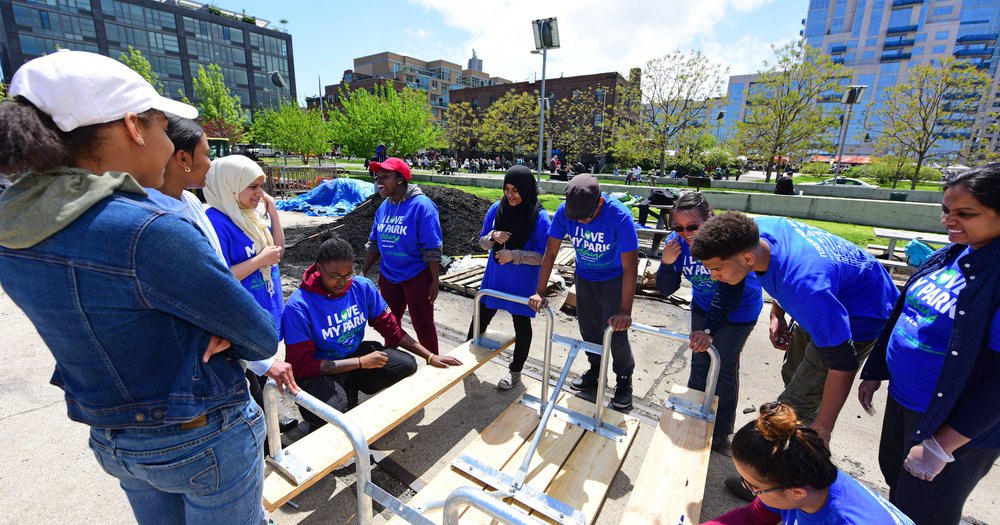
New York City has also $250 million for a technology home base at Union Square. The goal is to create a 鈥淪ilicon Alley鈥� with a strong civic tech focus; is the anchoring tenet of this new effort, which has been creating an inclusive community for civic tech within New York City. And, more than that, there鈥檚 a range of civil society and community-based organizations across New York City working to address tech equity and empower traditionally marginalized communities by including them in plans for urban development.
Of course, there are many questions about how civic tech and its multi-sector actors鈥攆rom city governments to firms, philanthropy, and nonprofits鈥攃an mitigate the conditions of inequality. As Steve Goldsmith the other week: 鈥淐ivic tech can play an important part in understanding inequality, formulating policy responses and delivering the necessary calls to action. Digital workers help to address the economic divides of our cities when they create tools that better diagnose structural inequalities and amplify the voices of the underserved.鈥� He continued: 鈥淎nd in the long run, we need to bring underrepresented groups themselves into the field of civic tech so that they can have an equal hand in designing solutions.鈥澛犅�
Yet just as New York City policy helped foster innovation, it鈥檚 also working to address inequality and develop initiatives that might more equitably distribute the benefits of innovation. More exactly, the city has been piloting to leverage technology to more deeply benefit the wider community. This includes ; , equipping old payphones with wireless service; and guidelines. Applying technology to public policy inevitably raises questions about equity, access, , and security, particularly when data is being captured and collected on community members.
In March 2017, New York City the creation of the first . The Lab is bringing together a diverse group of stakeholders, including community residents, organizers, civic leaders, and entrepreneurs, to identify community priorities and to leverage private partners and universities so that it can address these issues with digital technology. The is the community anchor for the project. Brownsville is also the home of , a technology and wellness program that targets kids between the ages of 12 and 18. The program is the first of its kind to be located at a public house site, and it includes coding and app development, health and wellness, violence prevention, performing arts, career development, and entrepreneurship among its offerings.
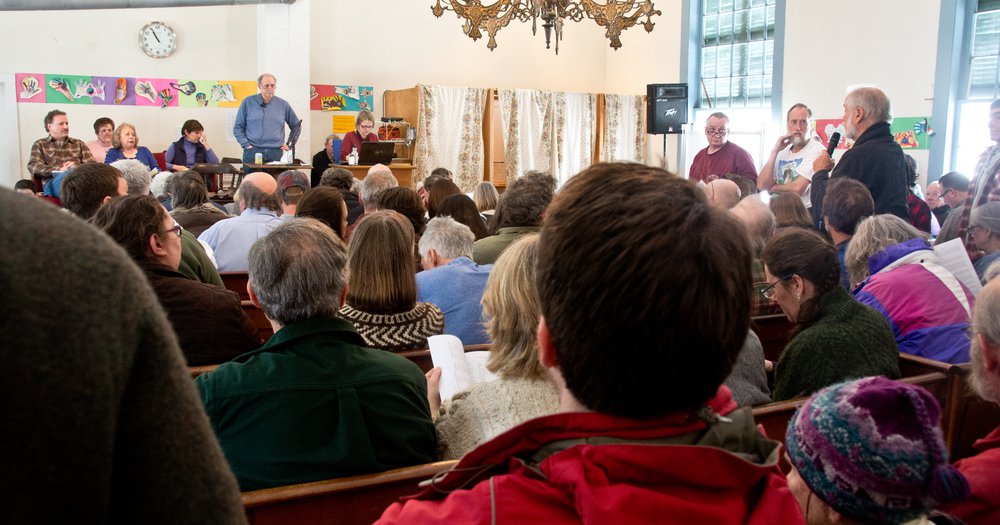
鈥淩apid technological advances hold the potential to transform our cities, driving quality of life improvements for millions of New Yorkers,鈥� Miguel Gami帽o, chief technology officer for the city of New York, at the launch of the Innovation Lab. 鈥淥ur challenge鈥攁nd responsibility鈥攊s to ensure these technologies reach and benefit all New Yorkers, not merely a select few.鈥� Indeed, the Innovation Lab is a compelling concept not only because the local government is serving as the convener to bring different players to the table鈥攂ut also because it鈥檚 incorporating community engagement from the get-go, beginning with a series of community forums through which residents can identify how technology could improve their city.
It鈥檚 too soon to know if and how the Innovation Lab will benefit the community. However, it offers an illustrative model to watch, in no small part because it鈥檚 made community engagement a key part of the process from the very start. Government isn鈥檛 only offering services, information, and data; it鈥檚 also positioning itself as a convener that brings multi-stakeholders to the table and incentivizes new approaches to thinking about applying tech for public good.
Looking to the future, it鈥檚 critical to remember that New York City isn鈥檛 unique in the challenges it faces鈥攐r in the opportunities that can arise from them. Some of the top-20 small- and medium-sized metros on the Martin Prosperity Institute鈥檚 include Boulder, CO; Gainesville, FL; College Station-Bryan, TX; and Ann Arbor, MI. As city initiatives develop, they may serve as insightful petri dishes for how community organizers, local entrepreneurs, residents, and civic leaders, more broadly, ought to think about leveling the benefits of innovation.聽Or put another way: because inequality is a problem that stretches across a diverse range of cities, it鈥檚 a problem, too, that will require diverse solutions, ones mindful of geography鈥攂ut ambitious in scope.
Senior Fellow, Political Reform Program