
In the Intelligence Business, Friends Are Hard to Come By
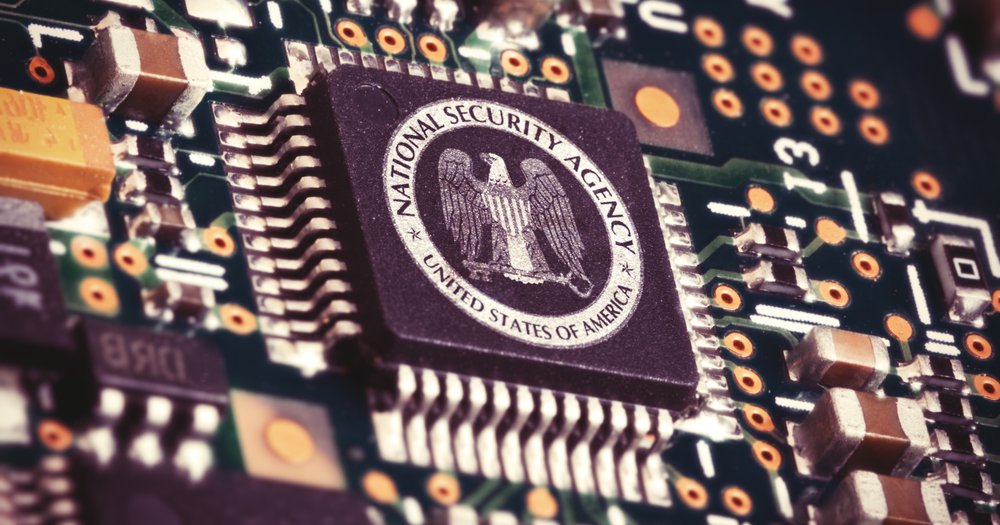
Late at night in the winter of 2014, Michael Hayden found himself in a Munich nightclub. With a bald head and rimless glasses, Hayden exudes a quiet confidence that you鈥檇 expect from someone who made a career of keeping secrets. He was the former Director of the CIA and NSA, and was answering questions from a German crowd regarding reports that the NSA was listening to Chancellor Angela Merkel鈥檚 cell phone. Some of that listening took place under Hayden鈥檚 command.
Hayden neither confirmed nor denied the report, but instead told a story. When Barack Obama was elected President, the agency had to put additional security measures on the President elect鈥檚 Blackberry.
鈥淲e were telling soon to be the most powerful man on the most powerful country on earth that if he used his Blackberry in his nation鈥檚 capital, multiple foreign intelligence services would be listening to his phone calls and emails鈥� Hayden said to the crowd. 鈥淲e didn鈥檛 rend our garments. We didn鈥檛 cry outrage. We just knew that鈥檚 the way things are.鈥�
It was a pointed message to the German audience that if they didn鈥檛 want their communications monitored, they needed to secure their own networks instead of blaming the NSA. 鈥淭hat鈥檚 just the way adults play,鈥� Hayden said as he recounted this story to an audience at a recent 国产视频 event.
The disclosure of the alleged listening of Chancellor Merkel鈥檚 cell phone harmed the relationship between the United States and Germany, Hayden said, because the United States did not appreciate the relative importance of privacy to most Germans. The lesson he learned is that public opinion can influence policy decisions, even when those policy decisions are made in secret.
But the lesson is also that the intelligence business is unforgiving. The panelists noted that the intelligence business is not conducive to handouts or favors. As Henry Kissinger once put it, 鈥淭here is no such thing as friendly intelligence agencies. There are only the intelligence agencies of friendly powers.鈥� And in this world of transient alliances, that also means that sometimes you need to deal with partners who are less than ideal. 鈥淥ften the countries that are least trustworthy have the most valuable or useful intelligence,鈥� said James Walsh, a Professor of Political Science, University of North Carolina at Charlotte.
Take Iran and the United States, for instance. They both share a goal of defeating ISIS and both are militarily involved, with the Iranians reportedly and to fight the Islamic State. 聽Surely the Iranians have intelligence the US would find useful and viceversa. Should the US and Iran establish an intelligence sharing agreement? Hayden disagrees. Even though he expressed his willingness to work with almost any country in the world if their interests aligned with the United States鈥攅ven those countries that were considered 鈥渢huggish鈥�, he does not think that having an overwhelmingly Shia force reconquering majority Sunni areas is in the interest of the US.
As Professor of History at West Point and former CIA officer David Gioe said reflecting on the special intelligence relationship between the US and Britain, 聽鈥渋ngredients such as shared values, common language, shared worldviews, history, culture, and even tradecraft philosophy are important鈥� to the effectiveness and durability of intelligence sharing.
The amount of intelligence sharing between the US and Britain is so extensive that at times it even exceeds the intelligence sharing practices within the US government. Hayden noted that agencies like the NSA and National Geospatial Agency (NGA) don鈥檛 have efficient communication and sharing practices, to the point that the former NGA Director and current Director of National Intelligence once asked him to share more intelligence between the NGA and the NSA. All that the NGA was asking, Clapper told Hayden, was to be treated like the British.
鈥淎s a consequence of the Second World War, American and British intelligence and security services chose to partner with each other to a degree unique in history,鈥� said Gioe. That relationship was so close that they even agreed not to spy on each other鈥檚 territory. For example, Hayden noted that Northern Ireland was strictly off limits for U.S. spies during 鈥淭he Troubles.鈥�
So what can we make of the outcry from the German public after the revelations that the United States was allegedly listening to Chancellor Merkel鈥檚 phone calls? Would it be possible for the Germans and Americans to enter into a high-level intelligence relationship, just like the one between the United States and Great Britain?
It seems unlikely, according to both Gioe and Hayden. There isn鈥檛 a shared history comparable to the Anglo-American one and no immediate and vital threat like Nazi Germany in World War II is pushing the two countries together. Importantly, as Gioe pointed out, some recent events may be pulling them apart, especially their different perception of Russia.
But even in the ruthless world of intelligence sharing there is still space for apologies, but they are not the ones you might expect. Hayden apologized when he with a German newspaper. 鈥淪hame on us鈥� read the headline of the article. But he wasn鈥檛 apologizing for allegedly listening for Chancellor Merkel鈥檚 phone conversations. He was sorry that the United States couldn鈥檛 keep what it may or may not have been doing a secret.
鈥淲e pushed a very good friend into a very bad position by our failure to have operational security鈥� Hayden said. 鈥淚t鈥檚 complicated.鈥�
More 国产视频 the Authors
Related

鈥淧eace Through Strength鈥� Is Hard to Read

“Getting the Golden Ticket”: Participants’ Perspectives on Lexington’s First Assembly

Civic Assemblies: A Framework for Community Colleges
