Jordan Sandman
Senior Program Coordinator, Digital Impact and Governance Initiative
Phone? Check.
Keys? Check.
Wallet?鈥allet鈥� uh oh.
I muttered an expletive as I dropped my bags and patted my pockets, groaning in dismay as the Brooklyn-bound Q train I had just exited whizzed off for Coney Island, taking my wallet with it. Sweat beaded on my forehead while I waited nine minutes to catch the next train in a doomed attempt to chase down my wallet. My phone screen read 12:02 AM. I was in for a long night.
Over the following week, as a tourist in New York City without my driver鈥檚 license, credit cards, or health insurance, I had no way to access cash or identify myself using analog, card-based methods. Mobile-enabled digital services became a lifeline. Fortunately, most stores accepted mobile payment services like Apple Pay. New York鈥檚 buses and subways offer seamless phone tap entry that allows riders to proceed through turnstiles without having to fumble with their transit card or refill their payment balance at kiosks. By the end of the week, I鈥檇 managed to get around the city and access food without much disruption.
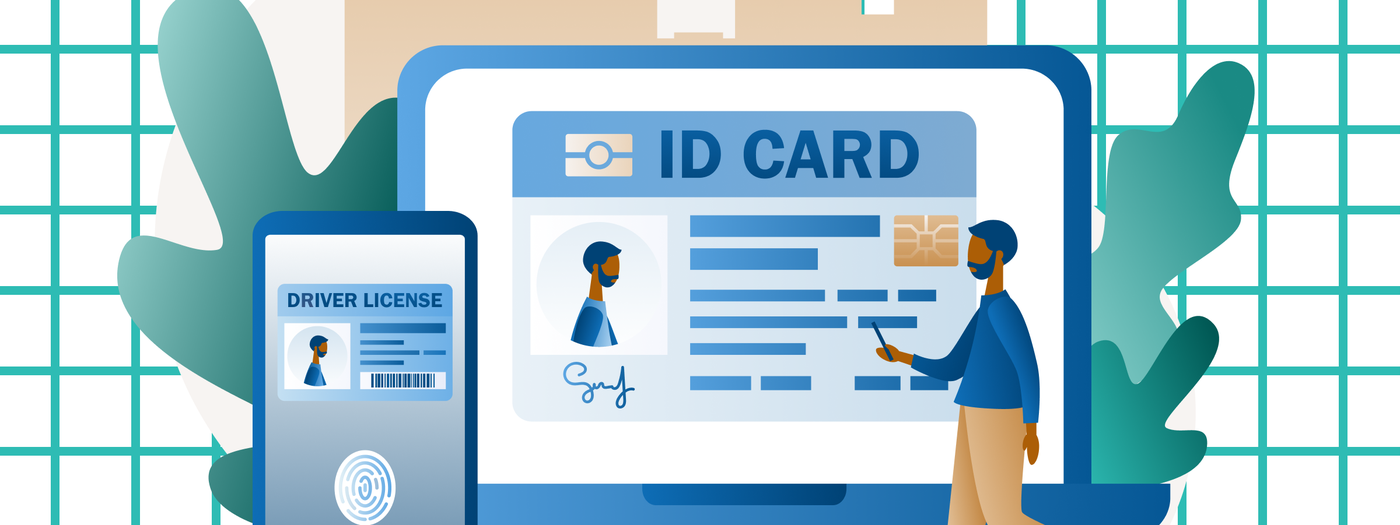
However, proving my identity was a completely different story. The DC government, to its credit, promptly emailed a scannable PDF stand-in for my missing license. Though this temporary license was a government-issued document, vendors looked at it with skepticism. I couldn鈥檛 use my temporary license to get cash at most banks. The TSA would not accept it to get on a flight. I could use my smartphone to pay rent, but I couldn鈥檛 identify myself without producing a flimsy plastic card that forge each year.
While my brief stint without a wallet was an inconvenience, for many people, reliance on physical ID systems comes at great cost. The and worldwide who lack access to ID are effectively invisible: they cannot vote, they struggle to travel, and they cannot access public benefits to which they are entitled. They鈥檙e at greater risk of human trafficking and labor abuse and often trapped in the informal economy without opportunities for social mobility.
In a recent horrifying display, Joshua Spriestersbach was arrested for sleeping on a bench and misidentified as a man with an outstanding warrant. The because he didn鈥檛 have a form of ID on him.
Expanding social inclusion through digital identity is a foundational component of the UN鈥檚 and one of in the developing world. The hypocrisy in advancing digital identity abroad is that our government has not implemented a solution at home. Our inability to use digital systems to identify and route payments to U.S. citizens allowed cybercriminals to steal at least in taxpayer dollars from COVID-19 unemployment relief funds.
At 国产视频鈥檚 Digital Impact and Governance Initiative (DIGI), we鈥檙e committed to helping the United States and countries around the globe develop digital infrastructure that increases equity, prosperity, and accountability.
The 21 million Americans and 1.1 billion people worldwide who lack access to ID are, effectively, invisible...
We鈥檝e seen these solutions at work. For example, India鈥檚 Aadhaar platform, though flawed, has expanded formal identity to and allowed over to register for bank accounts. Digital systems allow people to even if they become homeless as refugees or lose identification documents in natural disasters. DIGI is working on a datalocker solution with New York City and Baltimore that allows residents to digitally store and produce documentation necessary to establish eligibility for public services. Governments, industry, and civil society can make a dramatic impact when they work together to build technology solutions to complex public problems like identity verification.
Of course, assuming digital technology will solve these challenges alone is an overstatement. In the U.S., longstanding, explicit policy choices bar marginalized groups from easily accessing an ID, which prevents them from voting or receiving public benefits. Digitizing systems without rooting out underlying systemic failures can exacerbate existing inequities.
Additionally, digital identity architecture must embrace privacy, security, and accessibility-enhancing design choices to ensure it protects human rights. For example, governments can institute two-factor authentication at each use to prevent identity theft. Systems can issue automatic notifications that alert individuals when a government official is accessing their information and retain the right to revoke access. Digital systems should complement, rather than wholly replace, card-based ID to provide options for those without access to technology. Developers can ensure platforms include language or accessibility tools and prioritize user-driven design.
Digital identity is not fundamentally new鈥攁fter all, governments already collect our addresses and biometric information such as photos and fingerprints in a range of databases. Bad actors can repurpose civil registration systems for nefarious ends regardless of the technologies they run on. The Nazi Party did not need digital ID to identify my relatives and other Jews throughout Europe鈥攖hey simply used the census, tax returns, and other public records. Any identity management system, digital or otherwise, requires oversight bodies and other explicit policies to protect the use of our information. But by not instituting digital IDs, we are attempting to manage the complexity of twenty-first century societies without benefitting from twenty-first century innovations that reach individuals at scale.
I felt a great deal of shame sitting on that subway trying to chase down my wallet. How could I be so careless? I could only imagine the magnitude of emotions I would have experienced if my mistake had left me without a means to prove who I am. I could only imagine the fear I would have felt being rejected from unemployment insurance and other benefits programs, unsure how to make ends meet. Digital identity offers a solution to these challenges. It is time we begin to implement these solutions鈥攂oth in the United States and around the globe.
Senior Program Coordinator, Digital Impact and Governance Initiative