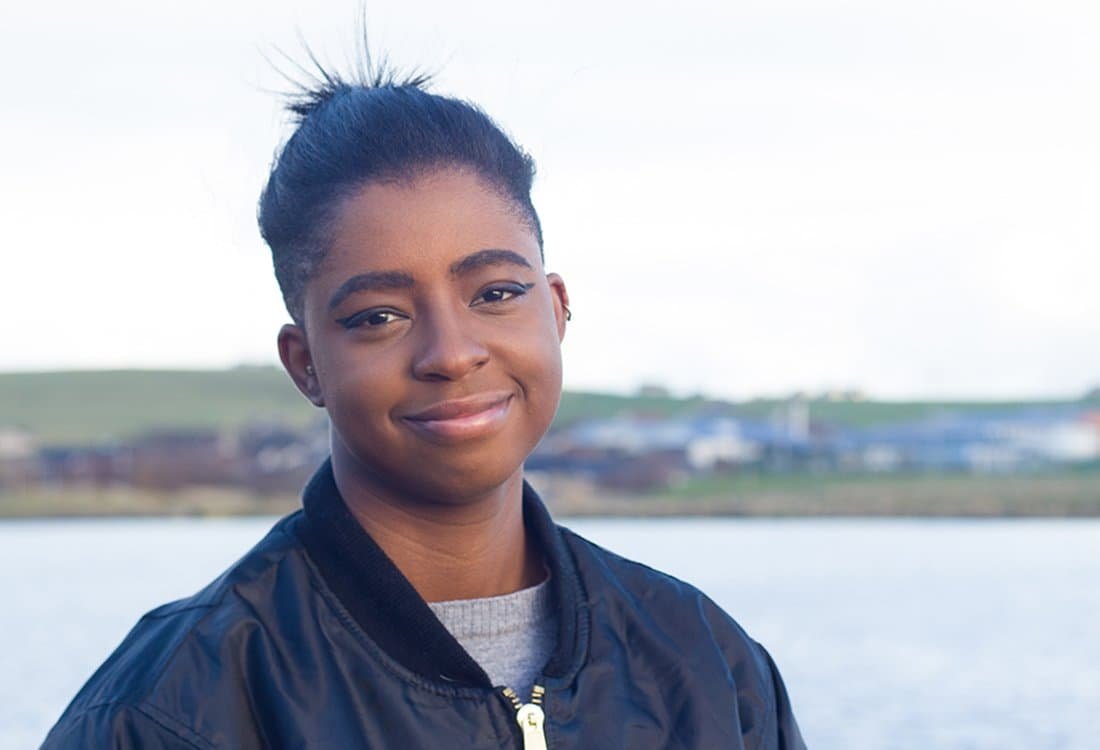
Jasmine Heyward
Entertainment Initiative Senior Associate, Better Life Lab
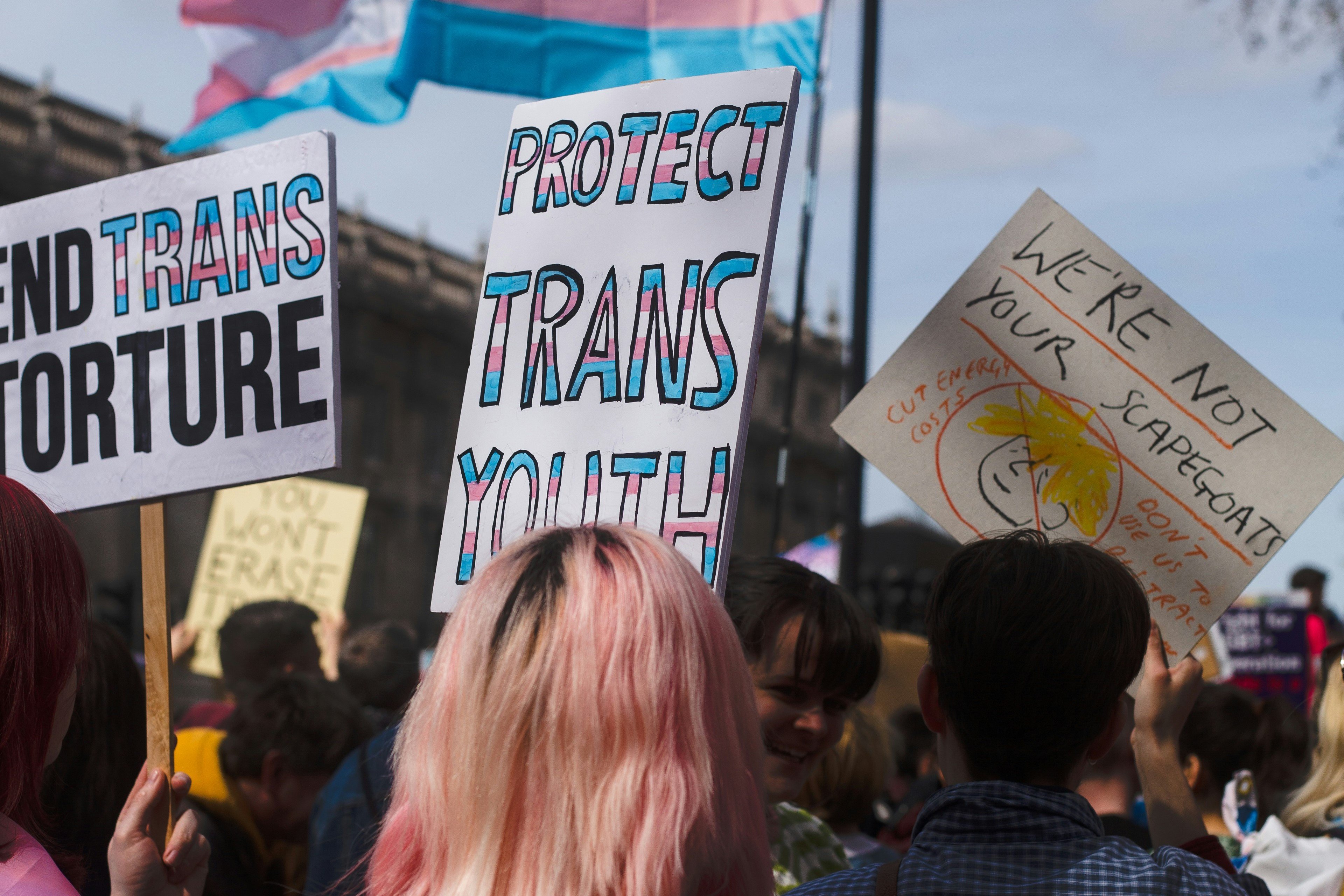
滨迟鈥檚 , which began on November 13 and will conclude with on Monday. In the trans community, there is debate about whether awareness is really what we need right now鈥攃onsidering how the majority culture seems plenty aware of trans people as we鈥檝e become the center of a 鈥攂ut nonetheless, this week is an opportunity to amplify the perspectives of trans people, rather than discussions about us.
As the puts it, 鈥淐ommunities of trans people are diverse across such dimensions as race, ethnicity, age, ability and disability, nationality, location, political party, religion, tribal membership, economic background, and more. 滨迟鈥檚 inaccurate to treat the experiences of one person as being representative of 鈥榯he trans experience鈥� or 鈥榯he trans community鈥� on any given issue.鈥�
While I, the author, have referenced other resources while putting these lists together, I am one person, and want to be clear that some of these things may not be universally agreed upon by the entire 鈥渃ommunity.鈥�
With this in mind, here are three narratives about trans people that are inaccurate and unhelpful, and five things you can do to avoid perpetuating them.
#1: Mandating the sharing of 鈥減referred pronouns鈥� is helpful and inclusive.
We should strongly encourage people to share their pronouns, but pronouns can be an extremely fraught topic for some trans people, and forcing them to engage can provoke further distress. There are infinite reasons why, but there are two common ones I鈥檒l call 鈥渋gnorance is bliss鈥� and 鈥減eople are closeted sometimes.鈥�
In an environment like my cardiologist鈥檚 office鈥攕omewhere I spend about three hours a year鈥擨鈥檇 rather let them assume wrong than tell them my gender and pronouns, have them inevitably forget during the same visit, and get misgendered anyway after taking the time to make myself vulnerable and come out to them. 滨迟鈥檚 just easier to let them be wrong.
And in the case of closeted folks, forcing people to either lie or out themselves in an unfamiliar environment isn鈥檛 helpful. Since I use they/them, I come out to strangers in unfamiliar environments constantly or don鈥檛 come out at all. I never came out to anyone at the Better Life Lab during or after the application process鈥擨鈥檓 assuming my now coworkers looked me up at some point, and my pronouns are on my social media and website. I decided early on in my job search that I鈥檇 prefer to stay unemployed longer over taking a job in a hostile environment, as I went back into the closet for grad school (long story), and it wasn鈥檛 worth it. From that point of view, though, it鈥檚 usually easier to just let others assume incorrectly instead of making an active choice that is marginalizing no matter what.
Also, stop saying 鈥減referred pronouns.鈥� We don鈥檛 ask people about the 鈥減referred spelling鈥� of their names; we ask them what鈥檚 correct.
#2: Trans people know they are trans from a very young age.
This is a tricky one, as this narrative does benefit trans kids, who are right now. Unfortunately, it鈥檚 just not true, and spreading this idea marginalizes trans adults.
When we say that everyone realizes they鈥檙e trans as a kid, it gives skeptics, 鈥溾�� folks, and other transphobes permission to be skeptical of adults who realize later in life, and this is especially weaponized against transfeminine people. If all the legitimate trans people realize as kids, the trans woman who realized at thirty has to just be a sexual predator, right? (To be clear, that was sarcastic, but it鈥檚 the type of rhetoric that鈥檚 easy to find on Twitter or Reddit, and then at the conferences that have sprung up to center these discussions.)
I am only one person, but to my knowledge, none of the trans people I know realized before the age of 18. I was 20 and three months into a grant-funded research project about queer representation in media when I figured it out. Many of us can look back and go, 鈥淗ah, remember that thing I said to my parents when I was 12. I should have known,鈥� but that鈥檚 a very different thing than knowing you were not your gender assigned at birth at the age of 12.
#3: Children are medically transitioning.
This one is just untrue, and the idea that young kids are medically transitioning is part of the conservative attack on trans people. (滨迟鈥檚 not possible to describe this fully in a few hundred words, so you can read more about it .) But the only medical transition options available to children 12 and under are puberty blockers, which are 100 percent reversible for any child who changes their mind down the road. Additionally, puberty blockers are generally prescribed to children between 10 and 16. Young children cannot medically transition at all. Instead, they are likely to socially transition young, which includes things like going by a name that is more aligned with their experienced gender, dressing in a way that aligns with that gender, etc.
#1: Read Shon Faye鈥檚 (provocatively named but) essential text, . Faye explores how race and class intersect with trans issues in the UK and the US, giving special attention to the way that social issues tied to racism, xenophobia, and poverty disproportionately impact trans people.
#2: Watch (or ) trans people talk about their experiences and dispel assumptions. YouTuber Anthony Padilla has interviewed groups of , , , *, and on his channel, along with hosting a to discuss the explosion of politics around their competitions. There are trans folks who guide the researching, writing, and editing of these episodes, and it鈥檚 evident in the content.
#3: Subscribe to the Trans Journalists Association鈥檚 and check out their , even if you don鈥檛 work in media. Language changes fast in this space, and while it can seem nit-picky, borderline language (eg, 鈥渢ransgendered鈥� or 鈥淢TF鈥�) plays the role of a dog whistle in a political environment where being vehemently transphobic is no longer acceptable on one side of the aisle.
#4: Look into in your state, and write your representatives if needed. While writing this, I learned that my oh-so-progressive state of Massachusetts had an introduced earlier this year. It died in committee, thankfully, but with so many aggressively threatening bills under consideration, sometimes the less intense ones can slip under the radar. And if there鈥檚 nothing in your state, there are also that are causing concern at the time of writing.
#5: Spend some time with the National Center for Transgender Equality鈥檚 . Collecting the stories of trans people from around the country who we鈥檝e lost this year, this project plays an essential role in honoring people鈥檚 true selves, and it鈥檚 extremely common for trans people to be deadnamed and misgendered in obituaries and news coverage. Also, note that of the , the number one cause was suicide, followed by gun-related homicides.
We have a lot of work to do in creating a world that is not just equitable but safe and tolerable for trans folks. We hope you鈥檒l join us in trying to make that world possible, and the resources linked above include many great places to start.
*Not all intersex people classify themselves under the 鈥渢rans鈥� umbrella, but some do.
Entertainment Initiative Senior Associate, Better Life Lab