国产视频

In Short

ITT Executives Have Only Themselves to Blame for the Company鈥檚 Demise

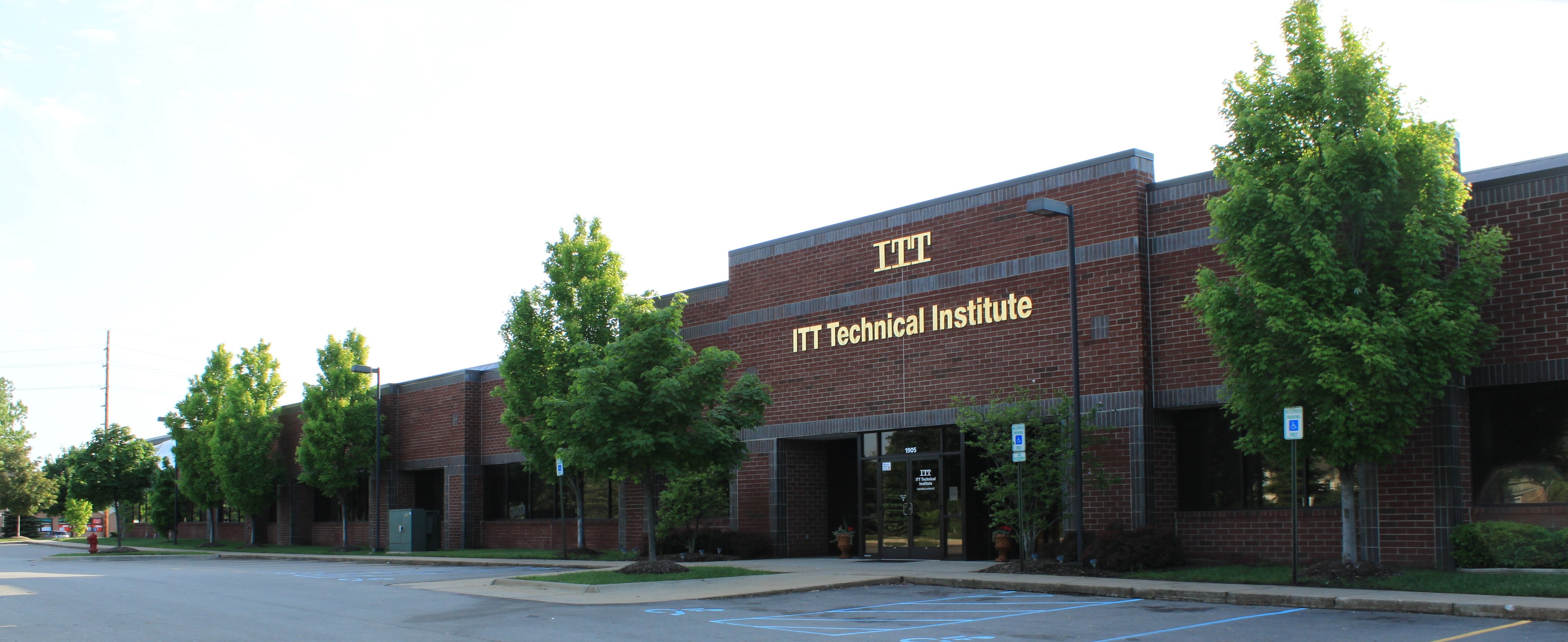
ITT
Wikimedia Commons/Dwight Burdette

Don鈥檛 cry for ITT. Judging from all the accusations that
have been made against the ITT in recent years, its leaders have only
themselves to blame for .

鲍苍蝉耻谤辫谤颈蝉颈苍驳濒测,听 and other apologists for the
company, such as , don鈥檛 like that explanation. They would like to portray
ITT as being another victim of the Obama鈥檚 鈥渞egulatory assault鈥 on the
for-profit higher education industry. But they don鈥檛 explain why American
taxpayers should continue to support a company that appears to have
deliberately defrauded students, shareholders, and the federal government,
while raking in billions of dollars in federal financial aid every year.

In preparation for the all the blowback the White House and
the U.S. Department of Education are likely to get now that ITT has officially shut down, I thought it would be
helpful to provide brief summaries of the allegations that federal and state
regulators and former employees have made against ITT over the last several
years. They paint a disturbing picture of a company that enriched its leaders
at the same time that it harmed students, misled investors, and put itself on a
crash course to financial collapse.

The New Mexico Attorney
General鈥檚 Lawsuit Against ITT

In February 2014, Gary King, New Mexico鈥檚 Attorney General,
over recruiting and financial aid abuses that allegedly occurred at
ITT Technical Institute in Albuquerque.

Most Disturbing
Allegations

  • The school lured students into its
    associate-degree nursing program by misrepresenting the program鈥檚 accreditation
    status. ITT recruiters told prospective students that the program was
    accredited by the Accreditation Commission for Education in Nursing, the
    organization that accredits associate degree nursing programs, or was in the
    process of being accredited by the commission, despite the fact that neither
    claim was true. As a result, students were misled into believing that they
    would be able to transfer the credits they earned at the school into a B.S.
    Degree in Nursing or other advanced degree.聽
    But other colleges didn鈥檛 accept credits from an unaccredited program.
    As a result, students went heavily into debt to enroll in a program that ended
    up being a dead end for most of them.
  • The institution changed its nursing curriculum in
    midstream, forcing many of its students to go deeper in debt in order to retake
    courses that they had already passed.聽 In
    addition, the school misled the New Mexico Board of Nursing by saying that
    these curricular changes would only affect new students, when in fact they
    applied to all students, including those who had already taken the classes.
  • The school signed students up for high-cost
    private loans through its PEAKS Loan program without fully informing them of
    鈥渢he loan terms or informing students that the loans were not federal student
    loans.鈥 For many of these students, the interest rates on the loans exceeded
    14.5 percent. In addition, the institution signed some students up for these loans
    without telling them. Financial aid administrators 鈥渆-signed student loan
    documents without fully-informed consent and authorization from the student,鈥
    the lawsuit says.

Consumer Financial聽 Protection Bureau Lawsuit Against ITT

The
in February 2014,
accusing the company of engaging in an elaborate scheme to 鈥渃oerce鈥 the
generally low-income students who enrolled into taking out institutional
private loans that 鈥渋ncluded 10 percent origination fees and interest rates as
high as 16.25 percent鈥 to fill the gap between what students owed and the
federal financial aid they received. According to the lawsuit, company
officials knew that the majority of students who took out these loans would
never be able to repay them.

How This Scheme Allegedly Worked

Because
ITT鈥檚 programs were so expensive, students were generally left with a funding
gap even after maxing out their federal loans. To fill this gap, ITT provided
students with what appeared to be a generous offering 鈥 short-term loans that
were interest free. But there was a catch. These loans had to be fully repaid
within nine months. Knowing that most students wouldn鈥檛 be able to meet this
requirement, ITT essentially gave students a choice once the temporary loans
came due: drop out or pay off this debt by taking out much more expensive and
onerous private loans through its institutional PEAKS Loan program. 聽ITT made these loans even though it projected that
more than 60% of them would end up in default. 聽If that wasn鈥檛 bad enough, the schools鈥
financial aid administrators weren鈥檛 always upfront with students about the
terms of the loans. 鈥淎s a result of being pressured into do so by ITT,
approximately 8,600 consumers entered into loans they could not afford, did not
want, did not understand, or didn鈥檛 even know they had,鈥 the CFPB鈥檚 lawsuit
states. Unsurprisingly, at least two-thirds of these loans have not yet been
repaid. Meanwhile, collection agencies have been pursuing these students, whose
credit records have been ruined.

U.S. Securities
and Exchange Commission Lawsuit Against ITT and its Leaders

In May 2015, the U.S. Securities and Exchange Commission (SEC)
filed and two of its leaders, accusing them of engaging 鈥渋n
a fraudulent scheme to defraud ITT investors by concealing the extraordinary
failure鈥 of its institutional private loan program, and the harm it was doing
to the company鈥檚 finances.

How This Scheme
Allegedly Worked

In order to get banks to make PEAKS Loans to its students,
ITT had to guarantee the loans against default. As a result, the amount that
ITT had to pay to these lenders grew as more and more of these loans defaulted.
To avoid having to make these massive payments, company officials came up with
a plan: they would secretly make the minimum payments on the loans of students
who were in danger of defaulting without disclosing that they were doing so to
investors. While this strategy paid off in the short term by at least
temporarily preventing these loans from going into default, it actually made
things much worse for the company over the long haul because interest continued
to accrue on these loans. The added interest 鈥渋ncreased ITT鈥檚 overall PEAKS liability,鈥
the lawsuit states, and 鈥渢hese effects compounded each period that ITT
continued the practice.鈥澛 Because ITT
left them in the dark, ITT鈥檚 shareholders didn鈥檛 have any idea about how poorly
these loans were performing. But eventually, the loan companies that held the
PEAKs Loans forced ITT to come clean and abandon the practice. At that point,
ITT鈥檚 stock price plunged, 鈥渇alling by approximately two-thirds,鈥 the lawsuit
states.

Former ITT
Official鈥檚 False Claims Lawsuit

In January, a federal district court in Tallahassee, FL
unsealed that Rodney Lipscomb, who was the dean of
academic affairs at ITT鈥檚 Tallahassee campus from 2011 to 2015, filed against
the school, accusing it of engaging in a variety of recruiting and financial
aid abuses.

Most Disturbing
Allegations

  • The school routinely enrolled students who
    couldn鈥檛 benefit from its programs. For example, the institution admitted a
    blind student into a computer networking program that required students 鈥渢o
    read codes, and identify various plugs and wires by color in order to repair
    technical issues with computers.鈥 When Lipscomb heard that the school was
    pressuring an admissions representative to enroll the student, he brought his
    objections to the director of recruiting, who told him 鈥渢hat it was not ITT鈥檚
    problem or place to dissuade the student from enrolling in the program.鈥
    Predictably, this student dropped out of the school within four weeks, but not
    before he had taken out 鈥渁n entire quarter鈥檚 worth of student loan debt鈥 that he
    would have to repay even though he hadn鈥檛 received any benefit from the program.

  • Recruiters for the school regularly misled
    prospective students about 鈥渢he programs they offer, and the training they
    provide.鈥 For instance, admissions representatives were told to deceive prospective
    students by telling them that the institution鈥檚 criminal justice program prepared
    students for 鈥渏obs doing forensic science work like they see in CSI Miami.鈥 聽In reality, students need to take advanced
    chemistry and other science courses, which were not offered at the school, to become
    鈥渁 crime scene investigator or forensic scientist.鈥

  • Financial aid administrators at the school
    routinely encouraged students to lie on their federal student aid application
    forms about their income and the number of dependents in their household so
    that they could receive larger financial aid awards from the government. They
    were also instructed to tell prospective students who were nervous about taking
    on debt to attend the school that 鈥渘obody pays back the loans anyways.鈥

The Massachusetts
Attorney General鈥檚 Lawsuit Against ITT

In April, Maura Healey, Massachusetts鈥 Attorney General,
in the state 鈥渇or engaging in unfair and harassing sales
tactics and misleading students about the quality of its Computer Network
Systems program, and the success of the program鈥檚 graduates in finding jobs.鈥

Most Disturbing
Allegations

  • The schools routinely misled prospective
    students about their success in placing graduates of the Computer Network
    Systems program into jobs related to their fields of study. While the
    institutions鈥 recruiters claimed that 80 to 100 percent of program鈥檚 graduates
    were employed in jobs in or related to their field of study, 鈥渢he real
    placement rates were actually 50 percent or less at each campus.鈥 聽The schools appeared to count any job involving
    computers as being a successful placement. For example, the company 鈥渃laimed
    that jobs simply selling computers at big box stores counted as placements.鈥 They
    also credited the schools for graduates who had internships or short-term jobs
    lasting less than a week.

  • The schools regularly enrolled students who were
    unlikely to benefit from the programs being offered. Former recruiters told the
    AG of 鈥減rospective students who had fourth grade reading levels or learning
    disabilities that would have prevented them from succeeding at ITT, who were
    nevertheless enrolled.鈥 Predictably, these students were left off worse than
    before they enrolled 鈥 with 鈥渟ubstantial debt鈥 but without the training they
    needed to get jobs that would help them pay it off.

  • These schools routinely deceived prospective students
    about the quality of the programs they offered. While the institutions promised
    that they would provide 鈥減ractical, hands-on experience,鈥 students told the AG
    that the 鈥渉ands-on instruction was nonexistent or involved the use of outdated
    technology.鈥 Instructors often didn鈥檛 know much about the subjects they were
    teaching. Some would read straight from the text book, while others would tell
    students to 鈥済oogle the answers.鈥 A few didn鈥檛 bother showing up for class at
    all.

More 国产视频 the Authors

Stephen Burd
stephen-burd_person_image.jpeg
Stephen Burd

Senior Writer & Editor, Higher Education
Programs/Projects/Initiatives

ITT Executives Have Only Themselves to Blame for the Company鈥檚 Demise