Joe Wilkes
Editorial Manager

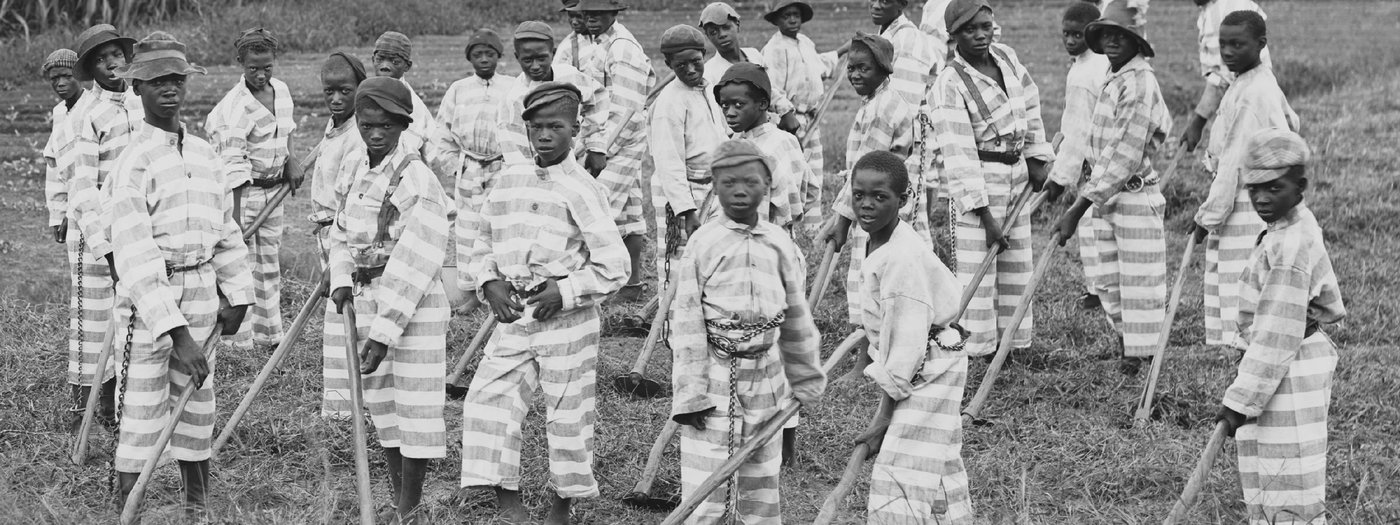
On June 19, 1865, the enslaved African Americans of Galveston, Texas, became the 鈥�.鈥� Union troops made their way into town that day to enforce the Emancipation Proclamation that was issued a full two and half years earlier.
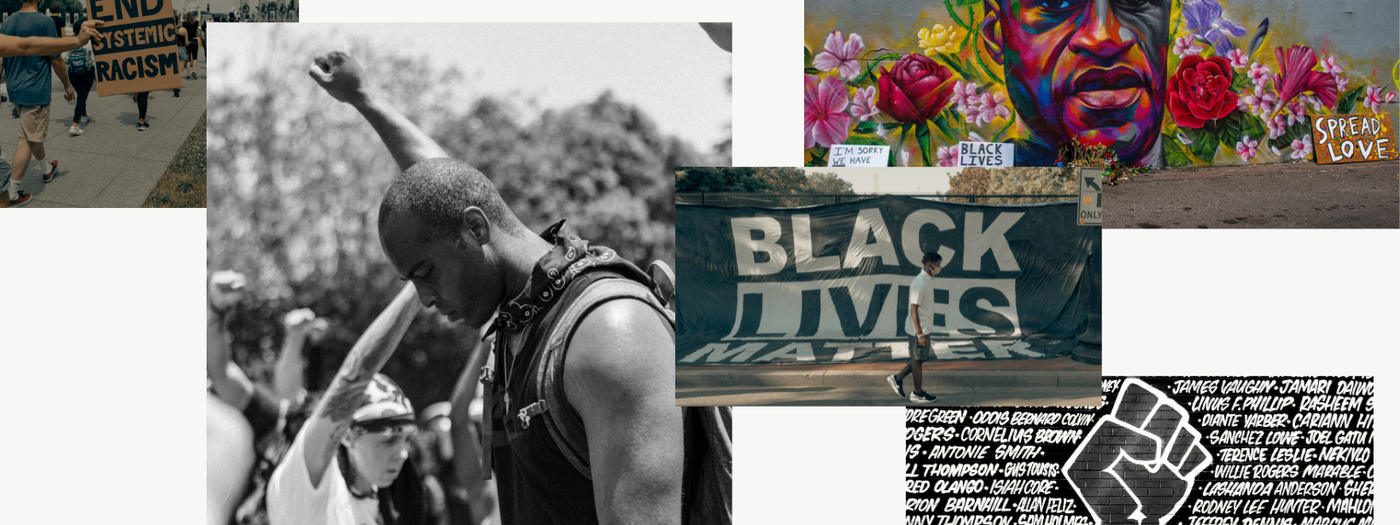
More than 150 years later, Juneteenth has been declared a federal holiday to commemorate the day that news of the end of chattel slavery reached the final Confederate stronghold in the United States. While many Black Americans have celebrated this occasion for decades, in the wake of mass protests over police brutality and racial inequity, it has felt like the rest of the country 鈥溾�� the holiday, discovering this day of freedom for the first time.
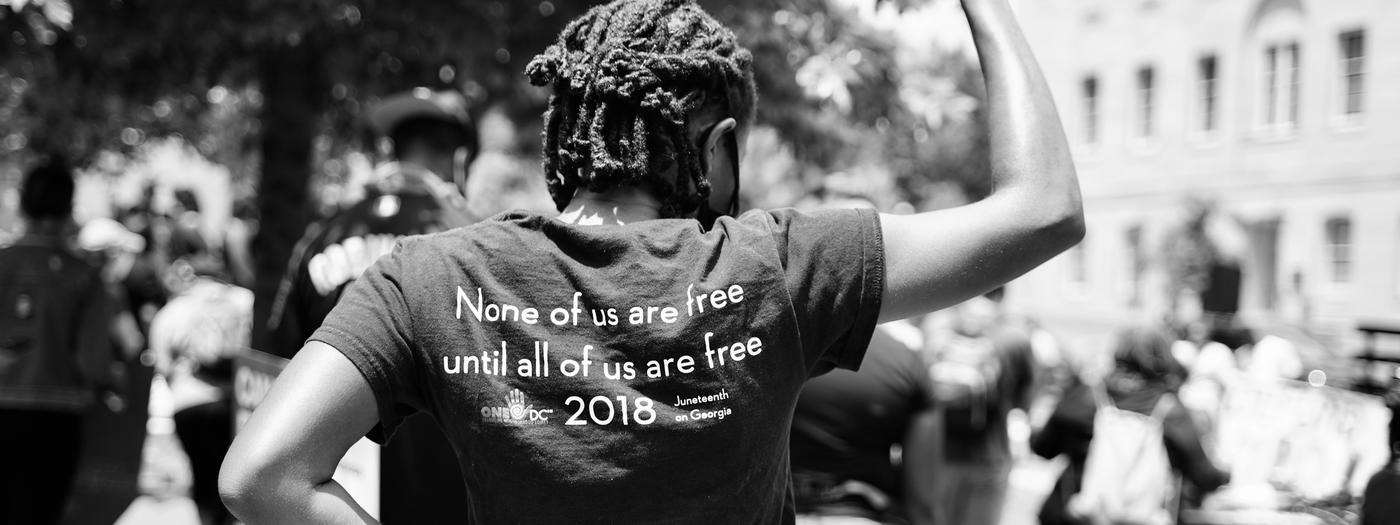
Juneteenth鈥檚 celebration was a time for Black families to gather and pray, 鈥�.鈥� The celebration over the years continued to grow in popularity, reaching new heights in 1872 when a group in Houston purchased 10 acres of land to create Emancipation Park. Today, most celebrations take place among friends and families, but places like Atlanta and Washington, D.C., hold larger events, like and local parades. While this was a long-standing tradition for many Black Americans, after the 2020 鈥溾�濃�攚hich came with both real and performative transformation鈥攎any Americans were introduced to Juneteenth as codifying it as a federal holiday.
A year after Juneteenth was made a federal holiday, we鈥檝e seen great amounts of change鈥攕ome for better, some for worse. Naming Juneteenth as an official federal holiday offered a symbol of hope, but for many Black Americans that hope was fleeting. Pledges by well-meaning people and corporations to learn from the moment of racial reckoning faded as the patterns of police brutality, political violence, and relentless attacks on civil rights ramped up. Doing the symbolic and once 鈥渆asy鈥� thing, such as creating a federal holiday, has become extremely , while the most consequential thing, like preserving our civil rights and dismantling systemic oppression, has felt impossible.
Black people are still more likely to be murdered by police than other groups鈥攁nd although Black Americans make up only 13 percent of the population, in 2021, we account for of those who have been fatally shot and killed at the hands of the police. Across the country, is on the rise. The recent mass shooting in a Top鈥檚 grocery store in highlights the extreme actions against Black people in the name of white supremacy. The battle against critical race theory, a for the distinct purpose of turning it into a , also underscores the fragility of white supremacy, its exclusionary nature, and its hold on this country.
The only shining light during this moment of reckoning was the sense that the country as a whole was taking a look at itself and confronting the racism that permeates our society and our systems鈥攚here, without irony, some conservatives see this reckoning as 鈥溾��: Racism is so deeply embedded in our culture and government that our 鈥淎merican values鈥� include racism at their very core.
So , when the House voted with great plurality to make Juneteenth the first new federal holiday , we saw progress. And while we have seen a surge in awareness and efforts to better understand the experiences of marginalized communities and, in turn, create the spaces necessary to address the racial inequities in America, we鈥檝e also seen corporations hide behind the clenched fist of Black Power and the black, red, green, and yellow flag鈥攆reedom washing.
Many corporations are already weaponizing Juneteenth for profit. But for whose benefit? In the case of Wal-mart, with their , and many other companies, it isn鈥檛 Black Americans. This year, a celebration of Black life is now being white-washed, leaving many with mixed feelings. The commercialization of the holiday shows us that the worst racial inequalities are not ancient history, they鈥檙e our current reality: America for its entirety has profited off of our , and now they have another way of profiting off of our joy.
In 2020, when 国产视频 committed to a major three-year in the wake of the murder of George Floyd, there was a healthy and warranted amount of skepticism from staff, particularly Black staff and other staff of color. Understanding this, our leadership made it clear that this institutional transformation would not be a fleeting moment filled with empty platitudes, symbolic nothingness, and box-checking. Without resources, time, or staff buy-in, they knew that this move to better reflect the communities we live and work in and ground our organizational culture and work in equity, particularly racial equity, would not be possible.
In 2020, we set out on our equity transformation journey together by building and revising a roadmap for our work. We spent most of 2021 building a shared vocabulary through monthly organization-wide workshops. Each program and department across 国产视频 was tasked with identifying the ways equity does (or does not) show up in their work so that we could set a baseline and begin to measure our growth and impact. All managers attended inclusive leadership development and management training. Our operations teams revamped the compensation policy with equity and transparency at the center of their efforts and began to build out a more inclusive career-pathing framework. We even had a week-long Juneteenth Spotlight series where our then-new President and Chief Transformation Officer Paul Butler highlighted 鈥渧oices and organizations challeng[ing] assumptions about Black people and communities.鈥� The series serendipitously ended on the day Juneteenth became a federal holiday.
In the two years since that commitment was made, we鈥檝e accomplished a lot, but the work remains hard and we continue to struggle with issues that are not unique to us. How do you meet each staff person where they are when each person is at a different point in their equity journey? What does 鈥渂uilding equity into the work鈥� look like when inequities and microaggressions continue to exist within teams? What does accountability look like across the board? How do you find time for this individual learning/unlearning and organizational change when you鈥檙e already spread thin balancing a wild workload and life during a pandemic? Where is the line between leaning into our learning edges and doing real harm to our most marginalized staff? This last question is one we continue to return to over and over again.
The commercialization (and 鈥淧ride-ification鈥�) of Juneteenth was inevitable, even expected. But just as and is more than an aisle of rainbow merchandise, Juneteeth will continue to be a reflection of this country, its continued struggle, and the joy Black folks make for themselves in spite of 鈥渋t鈥檚 the freedom for me鈥� knickknacks. What does Juneteenth compel you to do beyond consumerism, remembrance, or celebration? For 国产视频, it reminds us that activities like a day off of work without the proper historical context and education do just as much as a commemorative novelty ice cream flavor. There鈥檚 work still needed to be done both in our country and in our organization to ensure racial equity and justice for all.
Editorial Manager
Chief of Staff, Executive Office