
The Long View of Digital Authoritarianism
Rulers looking to consolidate power are using digital technologies more than ever before to surveil, censor, and suppress their people. Just last month, it was that Moscow is weaving artificial intelligence (AI) into its city surveillance system. Much has been made about the spread of this 鈥渄igital authoritarianism鈥� and what to do about it, especially as AI plays a in enhancing and enabling authoritarian governance.
Yet digital authoritarianism has existed for decades鈥攏ot in the physical space that AI is emerging in now, but online, through the internet; it鈥檚 not new in principle. What analysts call 鈥渄igital authoritarianism鈥� is 鈥溾�� and other terms by other names. For those wringing their hands over what to do about dictators spying on and repressing their citizens via AI, looking at the spread of digital authoritarianism on the far-less-flashy internet is a good place to start.
Digital Authoritarianism Online
For the better part of two decades, liberal-democracies idealized the internet as a free, open, interoperable, secure, and resilient global network. A 2003 U.S. Federal Communications Commission on network reliability and interoperability underscored several of these exact principles, and other government policy documents spanning a number of liberal-democracies have literally or nearly echoed these principles in the years since. These principles have manifested in domestic and foreign policies geared toward the protection of free speech online, the defense of net neutrality, and a relatively hands-off government approach to managing internet infrastructure and content.
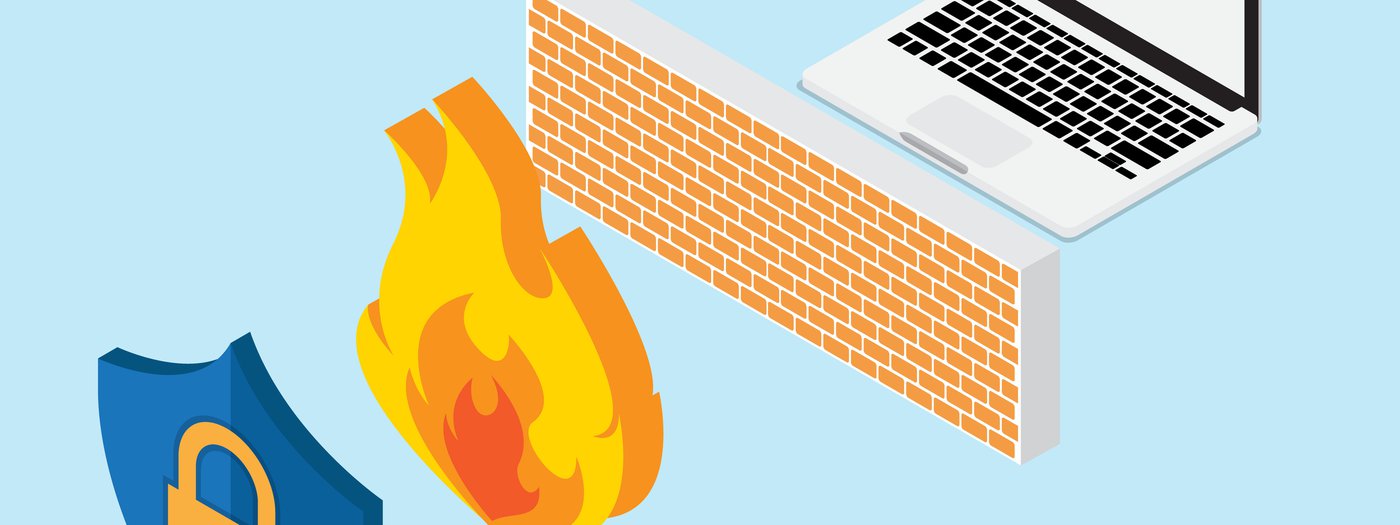
Authoritarian regimes have historically taken a different approach toward the internet within their borders. Rather than maintaining a relatively laissez-faire attitude around internet governance and online content, autocrats have upheld the notion of 鈥渃yber sovereignty鈥濃�� as an element of a state鈥檚 right to self-governance within its sovereign borders. In 2000, the Chinese state the Golden Shield Project to this end, aimed at bolstering police control, responsiveness, and crime-fighting. Today, the massive censorship system better-known as the 鈥淕reat Firewall鈥� uses techniques like to filter and control the flow of online content and what Chinese President Xi Jinping has called a 鈥渃lean and righteous鈥� internet within China鈥檚 borders. The Russian state, believing similarly that online information is a to its political stability, also builds its internet governance regime around the notion of cyber sovereignty. Laws that Virtual Private Networks, state control over data flows, and even look to build out a domestic Russian internet all work in service of this end as well.
While once relatively concentrated in a few countries like China and Russia, digital authoritarianism online is ; more and more countries are exerting control over the internet architecture within their borders and enacting governance structures (laws, regulations, etc.) that allow them to do so. Empirical questions remain about the underlying drivers of this spread, but of cyber insecurity and the presence of available digital authoritarianism models from China and Russia appear to be growing in impact and are likely compelling many policymakers to exert greater control over the internet. The ways this spread has occurred hold lessons for policymakers looking at digital authoritarianism and AI鈥攊ncluding the ways digital authoritarianism online has spread through technology exports, domestic example-setting, and international engagement.
Technology Exports
First, digital authoritarianism online has spread through exports of technologies (e.g., surveillance software) and related capabilities (e.g., hardware needed to run certain software). Private firms around the world have exported dual-use surveillance technologies that enable censorship, surveillance, and other like practices鈥斺�渄ual-use鈥� meaning the technologies have applications in both civilian and military spaces. Tools for inspecting packets of internet data, for instance, could be used to filter and censor online content in addition to filter and block malware.
Chinese companies have dual-use surveillance technologies for inspecting and filtering internet communications to a number of governments around the world, including in Ethiopia, Ecuador, South Africa, Bolivia, Egypt, Rwanda, and Saudi Arabia. Russian firms have wiretapping and internet surveillance technologies to countries such as Kazakhstan, Tajikistan, Turkmenistan, and Uzbekistan. This enables countries with less technological sophistication to acquire digital tools for surveillance and control used by more experienced counterparts. As Anne-Marie Slaughter , 鈥渄ictators are creating and sharing tools for greater population control than ever before.鈥�
Democracies take steps to limit such exports, like through the 41-member to control the sale and trafficking of dual-use technologies. Yet there are in which companies incorporated in democracies export dual-use surveillance technology to authoritarian or authoritarian-leaning countries as well; it鈥檚 companies in autocratic countries that enable digital authoritarianism to spread online. And even with a variety of stakeholders contributing to the Wassenaar Arrangement language, signatory countries have still , such as inadvertently impeding cybersecurity research and vulnerability information sharing through overly broad controls.
This relates directly to AI given that Chinese companies have AI applications that are also dual-use to governments in Singapore, the United Arab Emirates, Zimbabwe, and other less-than-democratic countries. As with internet monitoring tools, differentiating harmful AI applications from ones that are commercial or benign here is extremely difficult. The same technologies that could be used to target faces on a gun turret could be used to identify passengers boarding an airplane, for instance. AI tools are often dual-use.
Those policymakers advocating for on dual-use AI technologies would be wise to see the difficulties the Wassenaar Arrangement has faced in regulating dual-use technologies as evidence of the need for nuanced, multi-stakeholder input in combating digital authoritarianism and artificial intelligence. If export controls are viable for AI鈥攁nd that鈥檚 a big if鈥攖hey have to be done very carefully, and updated regularly. Overly broad controls could harm industry and the open nature of global AI research. Related, policymakers could also pay attention to governments other regimes on repressive uses of AI, alongside exports of those dual-use technologies (as they have with internet technologies); it may not just be private-sector entities involved in this spread of tools for digital authoritarianism.
Domestic Example-Setting
Second, world powers like China, Russia, and the United States have influenced the spread of digital authoritarianism online (or the lack thereof) via domestic example-setting. This is because the viability and attractiveness of internet governance models in such large and influential countries鈥攆or instance, the ways in which a global and open internet , or the ways in which digital authoritarianism allows leaders to consolidate control over information flows鈥� policy decisions outside those countries鈥� borders.
Beijing and Moscow in particular have provided viable technical and policy models that allow for censoring foreign news content and cracking down on online dissent. China鈥檚 use of has long provided the government robust capabilities to control the flow of online content. Russia, meanwhile, is for a national internet that would than ever before鈥攏ot just filtering content on top of the internet, but altering the internet鈥檚 architecture itself. The economic benefits of a global and open internet, in contrast, have been at the core of policy documents in democratic countries like the United States that stand against digital authoritarianism online.
In the current political and information climate, the capabilities that digital authoritarians demonstrate are attractive to many countries. And many are acting on it, as governments crack down on dissent and embrace digital authoritarianism online鈥攐ftentimes, following quite closely the examples set by world powers. These policies enable authoritarian governments to further consolidate power and manage domestic instability.
When considering the of artificial intelligence in the service of digital authoritarianism, then, policymakers ought to keep in mind the importance of domestic example-setting. The fashions in which influential countries like the United States, India, China, and Russia engage with AI can influence other smaller states鈥� decisions; they can also shape markets in ways that, say, attempt to fight malicious uses of AI. For countries looking to digital authoritarianism, it鈥檚 not just about having the capability (i.e., through tech exports), but about seeing how others use it.
International Engagement
And third, world powers have promoted digital authoritarianism online through international engagement. This has taken place directly with other countries, mainly through infrastructure build-outs that buy political influence, and in bodies like the United Nations General Assembly, where norms are set around internet governance writ large.
China鈥檚 infrastructure investments in Tanzania, Nigeria, and elsewhere have over recipient countries鈥� internet governance policies, which have already seen some returns: Tanzania and Nigeria have notably on internet content in the last year. For countries that may already be attracted to digital authoritarianism online through the examples Beijing sets domestically, these investments may push them further along that path.
Beyond bilateral investments, China, Russia, and other advocates for digital authoritarianism online have also been quite active in the U.N. General Assembly, submitting internet code of conduct proposals to the by the United States and other advocates of a global and open internet. They attempt to set international norms around internet governance. And disagreements 鈥攍ike the meaning of the term 鈥渋nformation security,鈥� which could refer to protecting computer networks or to controlling information and media, depending on who you talk to鈥攈ave been used in a variety of proposals over the years as top cover for digital authoritarianism online.
China, Russia, and others politicize these terms in ways that don鈥檛 escape global and open internet advocates鈥攖hey鈥檙e referring to control of online content, not cybersecurity of networks. But should these terms be codified in binding agreements about how to best regulate and protect cyberspace, that would leave open a large window of interpretation for such documents. It could thus provide top cover for digital authoritarianism online. A 2011 proposal, for instance, to 鈥渋ncrease governmental power over the internet鈥� absent multi-stakeholder engagement.
Discussions of AI governance are increasingly , and as digital authoritarianism intersects more and more with AI, it鈥檚 likely the same kinds of international engagement will come into play here. U.S. policymakers have engaged heavily for the last couple decades on issues of internet freedom around the world鈥攊n the U.N., and also through . U.S. governmental and nongovernmental entities have an opportunity to continue leadership here in combating digital authoritarianism with respect to AI, explicitly advocating for democratic models of AI regulation around the world and increasing engagement in technology capacity-building. Likewise, democratic policymakers can better analyze the spread of digital authoritarianism around AI by paying attention to adversaries鈥� engagement on digital authoritarianism and AI.
In light of the above, it鈥檚 clear that AI鈥檚 slowly growing role in digital authoritarianism only underscores what has long been true in the online space: The 鈥渋s by no means guaranteed to play the same 鈥榣iberating鈥� role or sustain the same user rights in all times and settings.鈥� The use of AI for digital authoritarianism certainly has unique properties, like the potential for more intelligent, more automated censorship and surveillance. Yet digital authoritarianism is not a new concept; and paying attention to the lessons of the past鈥攕panning technology exports, domestic example-setting, and international engagement鈥攃an help policymakers better understand the spread of digital authoritarianism into the future.
More 国产视频 the Authors
Related

“Getting the Golden Ticket”: Participants’ Perspectives on Lexington’s First Assembly

Civic Assemblies: A Framework for Community Colleges

Don鈥檛 START Now
