Brigid Schulte
Director, Better Life Lab
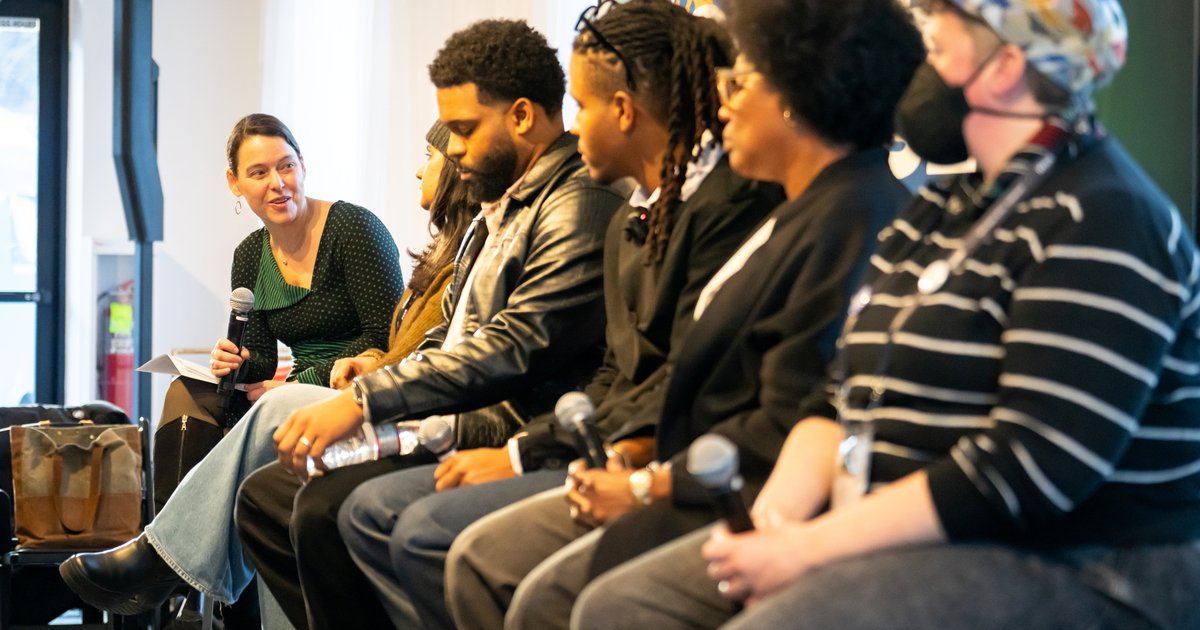
In 2018, just after a record number of women were elected to Congress–bringing the total to a still dismal 24 percent–the Better Life Lab, with our laser-focused mission on gender equity, launched an ambitious new project 鈥� on men.
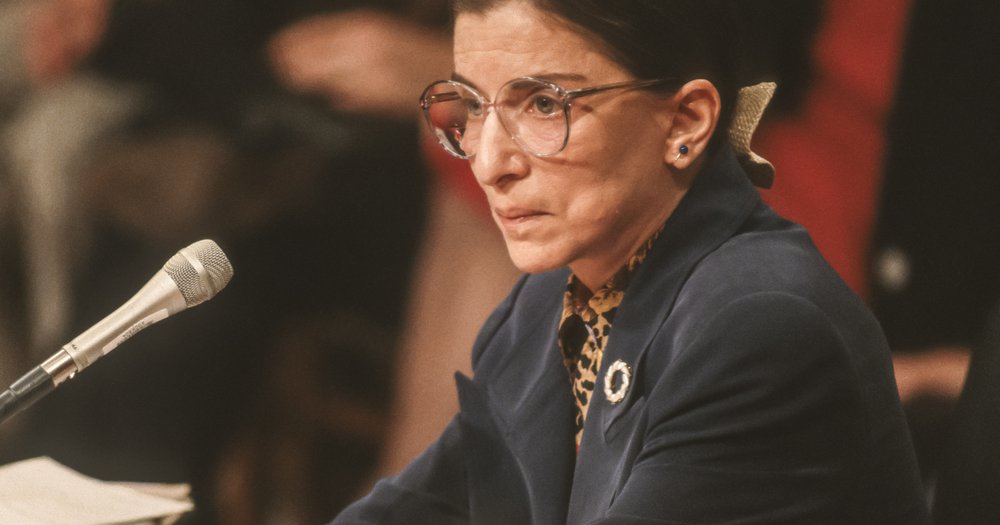
聽The reason why has a lot to do with the influential thinking of Ruth Bader Ginsburg.
Ginsburg, the Supreme Court Justice whose passing last week after a long battle with cancer we mourn deeply, was a fierce and prescient warrior for gender equity. She recognized early on that true gender equity means creating the systems, expectations, and culture that allow people across the gender spectrum to participate fully in the very human endeavors of both work and care.
Why make special exceptions at work for women only in order to give care? That, she reasoned, would serve to forever tie women to the role of primary caregiver, trap women in a second-class role at work, and deny men the chance to engage fully with care and connection at home.
It is so important to remember, especially now as COVID-19 and the lack of school and child care threatens to set women鈥檚 gains back, that some of Ginsburg鈥檚 most celebrated cases involved arguing for the rights of men and their role as caregivers. That includes the very first gender equity case she argued successfully in court,. In that case, featured in the biopic about her, 鈥淏ecause of Sex,鈥� Charles Moritz, a single man, had been denied a tax deduction for the caregiving expenses he had for his elderly mother, simply because the law assumed that all caregivers would be, or should be, women or divorced or widowed men (in other words, men forced to take on caregiving because the woman had departed the scene).
Likewise, in, she took on the case of a man whose wife, the primary family earner, had died in childbirth. He鈥檇 applied for Social Security benefits in order to have the time he needed to care for the newborn. He was refused. At the time, the law assumed that only widows and children, not widowers 鈥� who were assumed to be the traditional breadwinners of the family – would need survivor benefits. In cases like these, and so many others, she helped topple hundreds of unfair and discriminatory statutes and lay the foundation for a more fully human understanding of gender equity. "This absolute exclusion, based on gender per se, operates to the disadvantage of female workers, their surviving spouses, and their children," Ginsburg argued 鈥� and won.
In that spirit of focusing on gender equity as a means to full human flourishing, we launched our, an ongoing exploration, through surveys, focus groups, reports, live events, reporting and storytelling, of the experiences, barriers and incentives men face when it comes to giving care. What we鈥檝e found is that most men do, indeed, want to give care, and anticipate needing time off of work for caregiving as much as women do. We鈥檝e found that men say they, their families, relationships and children benefit when they鈥檙e active caregivers. And research shows that women benefit as well 鈥� in pay and career advancement, as well as in happier relationships – from more equal sharing of care at home. But it isn鈥檛 happening nearly enough and won鈥檛 until we create the right policies, the right work cultures and shift cultural expectations, affirming that all workers are human, and all humans are caregivers.
We also name check Ginsburg as the inspiration for one of our BLLx experiments that helps families and couples more fairly share the unpaid care and housework load at home 鈥� which research shows still falls heavily on women. The experiment is designed to help families set up systems that ensure more than one parent is responsible for communicating with schools and other organizations. It was inspired by Ginsburg鈥檚 own story. Tired of being the one constantly interrupted by the school when her young son acted out, Ginsburg told school officials: 鈥淭his child has two parents. Please alternate calls. It鈥檚 his father鈥檚 turn.鈥�
In 1986, in an essay that I can only describe as life changing, Ginsburg:
鈥淸W]ere I Queen, my principal affirmative action plan would have three legs. First, it would promote equal educational opportunity and effective job training for women, so they would not be reduced to dependency on a man or the state. Second, my plan would give men encouragement and incentives to share more evenly with women the joys, responsibilities, worries, upsets, and sometimes tedium of raising children from infancy to adulthood. (This, I admit, is the most challenging part of the plan to make concrete and implement.) Third, the plan would make quality day care available from infancy on. Children in my ideal world would not be women鈥檚 priorities, they would be human priorities.鈥�
I would like to think that this will be how we honor the important and world-changing legacy of Ruth Bader Ginsburg: We will continue her work for a just, fair, equitable world of true gender equity, where children and caregiving are visible, valued and shared human priorities, and where all people across race, class and the entire gender spectrum, can live full, whole human lives.
Director, Better Life Lab