CJ Hunt
Eric & Wendy Schmidt Fellow, 2020

Throughout the twentieth century, hundreds of monuments and statues were erected in the South to commemorate the legacy of the Confederacy and champion the myth of 鈥攖hat the Civil War was about states鈥� rights and not slavery. In the past few years, and particularly in the wake of protests following the murder of George Floyd, many Americans have begun to demand the removal of these statues. In this Q&A from 鈥攖he National Fellows Program newsletter鈥敼悠� National Fellow CJ Hunt discusses his film on monuments, memory and how to break up with the Confederacy. Sign up for The Fifth Draft to hear how the world’s best storytellers find ideas that change the world.
Your Fellows project, the film , premiered at the Tribeca Film Festival in June and on POV on PBS last month. When did you first get the idea to make this documentary?
In 2015, I was living in New Orleans and publishing my first piece of satire: . The article distilled my anger about lawmakers who鈥攅ven in the wake of the Charleston Church Massacre鈥攕till thought removing the Confederate flag from South Carolina鈥檚 capitol was something we needed to debate. When the New Orleans City Council announced they would vote on the removal of four Confederate monuments in New Orleans, I wanted to make a comedy short reprising the satirical voice I used in 5 Hot New Designs to capture the absurdity of white New Orleanians willing to say OUT LOUD that the Civil War wasn鈥檛 about slavery. We filmed for a full year before I realized the real win isn鈥檛 poking fun at misinformed people waving a Confederate flag at the stoplight; it’s investigating the century of propaganda designed to make those people so misinformed. For that, we needed at least 82 minutes.
Over the last few years, we鈥檝e witnessed a dramatic reckoning take place over Confederate monuments. How did the film change with each new ruling and the evolving movement for Black lives?
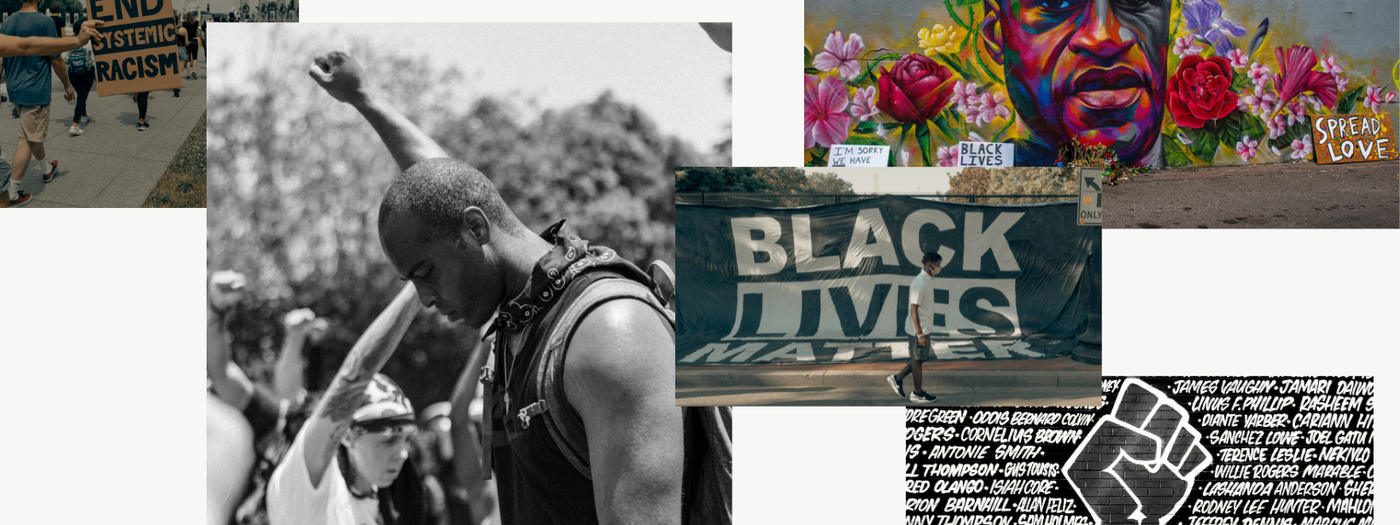
I thought our film was over in the spring of 2017 when we witnessed four Confederate monuments finally come down in New Orleans. However, just a few months later, the Unite the Right rally in Charlottesville made it impossible to end our film with triumphant images of empty pedestals in New Orleans. Charlottesville filled me with a level of fear and uncertainty that you can feel pulsing through the end of the film. And three years later, I was certain we were finally done. Then George Floyd was murdered. Following his murder, the nation witnessed two things with stunning clarity: first, the ferocity with which police officers enacted violence on Black protestors, and second, the power and speed with which protestors pulled down statues. We restarted production to capture these moments in which police were literally choosing to protect statues instead of people, and communities all over the world realized they didn鈥檛 need a city鈥檚 permission to remove enslavers from the landscape.
While the film is deeply moving, informative, and sometimes harrowing, it has a lot of lighter moments. Why did you think it was important to integrate humor into the film?
On one hand, I am putting sugar in the medicine. Throughout the writing and the edit, I asked myself: How do I keep skittish white audiences in their chair? The humor is partly meant to ease viewers鈥� anxiety about heading into a documentary that requires some deep reckoning and self-reflection. When people say 鈥渢his movie is so accessible,鈥� I know that this is partly due to a few petty jokes about Alexander Stephens鈥檚 dry-ass lips. On the other hand, humor is the only language capable of expressing certain levels of horror and absurdity. When you鈥檙e watching this movie, there are times where you鈥檒l witness something so horrific or ignorant that you say to yourself: I鈥� have no words. When that happens to me, I often reach for humor.
The real win isn't poking fun at misinformed people... it's investigating the century of propaganda designed to make those people so misinformed.
I always planned to be on screen, I just had no idea what that requires in a documentary. In our earliest footage I was mimicking the style of correspondents on late night comedies. I screened that footage for my friends at the BIPOC filmmaker collective Firelight Media, and they quickly informed me that the conventions of late night TV don鈥檛 work for documentaries. Whereas late night correspondents are able to play a character, documentary audiences would expect me to reveal something true about myself. Even more daunting: apparently, movies require protagonists to change. With dread and frustration, I slowly accepted that I would have to learn to tell the truth about myself on screen, and we would have to film for long enough that鈥攇od willing鈥攕omething in me changed. I frequently turned to my Producer Darcy McKinnon and whined, 鈥淪o I just have to go to all these places, and feel messed up inside, and say aloud what I鈥檓 feeling, and that鈥檚 a movie?鈥� Kindly, Darcy reminded me, 鈥淵es, that鈥檚 a movie.鈥�
What do you hope audiences will take away from the film?
We no longer have to explain what Holocaust denial is; most people understand that it is a specific form of propaganda. When a person begins a sentence, 鈥淲ell, can any of us really know many people actually died in the Holocaust?,鈥� we recognize this person is repeating an insidious form of denialism, and (most) journalists know not to put this person on TV in the name of objectivity. I want Americans to be just as skilled at recognizing the propaganda of the Lost Cause. I want the audience to hear a ding go off whenever they encounter an echo of the Lost Cause in the mouth of a pundit or a governor passing laws to prevent students from learning about the Lost Cause. If you are doing work on disinformation, fighting Critical Race Theory bans, or helping teachers develop radical curriculum, holler at your boy. To clarify, your boy is me, CJ Hunt ([email protected] or on Twitter).
Eric & Wendy Schmidt Fellow, 2020