Stephen Burd
Senior Writer & Editor, Higher Education
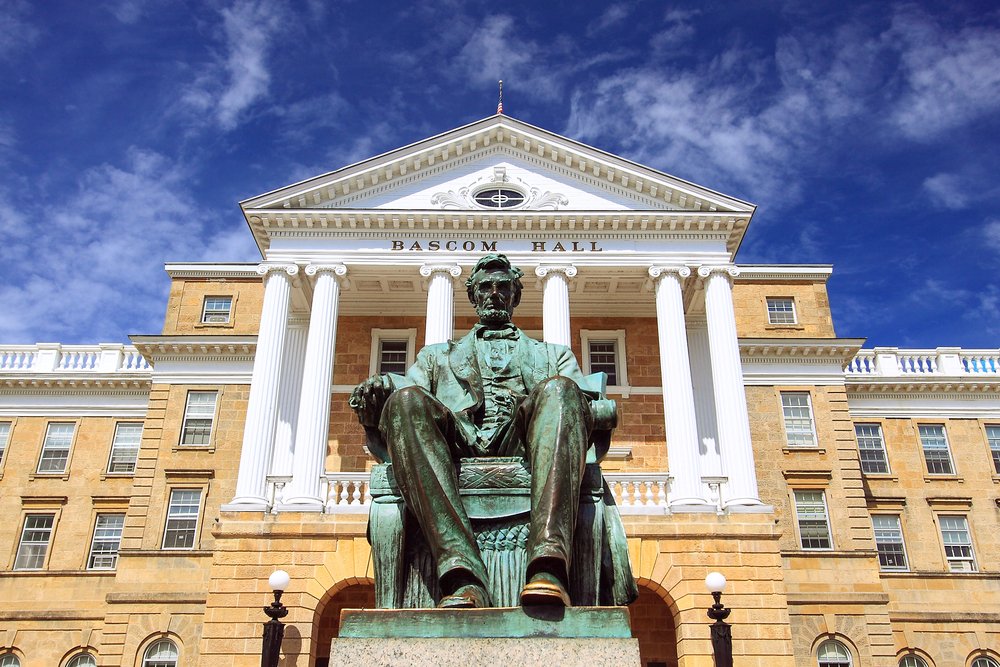
If you are worried about the status of low-income students at the nation鈥檚 top public universities, recent news out of Madison, Wisconsin is disheartening.
In December, Inside Higher Ed (IHE) that the University of Wisconsin at Madison is planning to substantially boost the amount of money it spends on non-need-based aid, which is popularly known as 鈥渕erit aid.鈥� The university鈥檚 primary goal is to use this aid to keep top Wisconsin students in the state. In recent years, some of the school鈥檚 Big Ten rivals have been luring high-achieving Wisconsin students to their campuses with generous offers of merit aid.
By investing heavily in non-need-based aid, University of Wisconsin officials want to 鈥渂uild a wall around our state and make sure that our own students have every reason to consider us,鈥� , UW-Madison鈥檚 vice provost for enrollment management, told the online publication.
But that鈥檚 not the only way the university wants to spend this money. The school is also planning to increase spending on merit aid so that it can better compete for out-of-state students. In other words, at the same time that the university is fighting tooth and nail to keep Wisconsin students in the state, it plans to be more aggressive in .
Unfortunately, what is happening in Wisconsin is occurring at public flagship and research聽 universities nationwide. Stung by sharp state budget cuts at the same time they are seeking greater prestige, these universities are increasingly pitted against one another, fiercely competing for the students they most desire: the 鈥渂est and brightest,鈥� and those wealthy enough to pay full freight. And they are using a large share of their institutional aid dollars鈥攎oney that could be going to students who truly need it鈥攖o .
Low-income and working-class students are paying a high price for these policies. As public colleges and universities use non-need-based aid to bring in more and more high-achieving and affluent out-of-state students, and are available for in-state students who come from less-privileged backgrounds.
As , president emeritus of Franklin & Marshall College and a college consultant, told IHE, 鈥淚f you look at it as a country, the public system is at war with itself, and that鈥檚 a shame because that means money is being wasted in a zero-sum arms race.鈥�
Up until now, the University of Wisconsin at Madison has not been much of a player in the merit-aid arms race. In 2014-15, Wisconsin鈥檚 flagship university provided scholarships to only 8 percent of freshmen who lacked financial need, according to that the school provides to magazines that rank colleges. In comparison, at Ohio State University received merit aid that year.
But according to the , 鈥淏etween 10,000 and 14,000 Wisconsin high school graduates leave the state each year for colleges in other states. Minnesota, Illinois, Indiana and Ohio are the top destinations.鈥�
University of Wisconsin at Madison Chancellor told IHE that the university doesn鈥檛 have any choice but to use merit aid to stop these institutions from grabbing up the best Wisconsin students. 鈥淲e鈥檙e going to have to work harder to attract top Wisconsin students and keep them in the state,鈥� she said. 鈥淭he students who are going to go to Harvard, I may not be able to keep them at Wisconsin if that鈥檚 the sort of experience that they want. But I have a lot of top students who get recruited away [by] Iowa and Indiana and Illinois and Minnesota. And I鈥檒l say this, we鈥檙e a better school than them. They should be coming to us and not going out of state.鈥�
Still, Blank understands that providing scholarships to non-needy students is not the best way for a college to spend its institutional aid dollars. 鈥淚t worries me a great deal, the type of merit aid I see being offered to top students from Wisconsin,鈥� she said. 鈥淎s far as I鈥檓 concerned鈥擨鈥檓 an economist鈥攖hat鈥檚 a real waste of where we should be spending our money in higher ed. But I鈥檝e got to keep some of those top students in Wisconsin.鈥�
鈥淲e鈥檝e got to play in that game. We just have to,鈥� she added. 鈥淚t is one of these arms-race things that I鈥檓 not happy with but I don鈥檛 quite know what to do about.鈥� Left unsaid is that if the University of Wisconsin at Madison misses out on these students, it could see its standing in the U.S. News rankings, and those of other publications, plunge.
University officials acknowledge that they also plan to use merit aid to attract high-achieving out-of-state students, many of whom come from affluent families. The school, which has seen its , can make up for lost revenue by recruiting students who could otherwise afford to pay full freight.
The university鈥檚 efforts received a major lift in October when the university system鈥檚 Board of Regents on the number of nonresident students the school can enroll. For the next three years, the institution will not abide by the limit, which has prohibited the school from enrolling more than 27.5 percent of its students from out of state, . As part of a compromise, the board required the university to guarantee that it will continue to enroll at least 3,600 in-state freshmen annually鈥攁lthough from previous years鈥� totals.
But the Regents鈥� actions did not assuage critics who worry that the make-up of the student body will change. 鈥淚f the campus no longer has a cap on non-resident undergraduates, will it focus more on recruitment efforts at affluent non-Wisconsin high schools and less on Wisconsin high schools, particularly those with large numbers of low-income and underrepresented students?鈥� , the director of the university鈥檚 Wisconsin Center for the Advancement of Postsecondary Education, prior to the board鈥檚 vote.
Variations on that question need to be asked at public universities across the country.
This post ran first in .”
Senior Writer & Editor, Higher Education