
Mexican Border Cities: Too Dangerous for Americans but Safe Enough for Migrants, U.S. Government Says
This article in The Texas Tribune.
The Tribune's reporting for this project is supported by the Pulitzer Center.
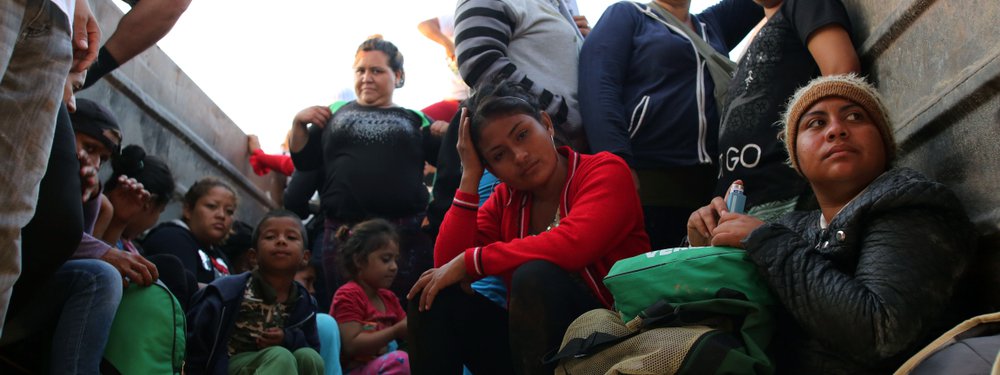
CIUDAD JU脕REZ, MEXICO鈥擨t wasn鈥檛 an easy decision for the young family to make. But after more than six months in this border city, they knew they had to take their chances.
Like thousands of other Central Americans, Sofia, her husband and their two children fled their country earlier this year to seek asylum in the United States but became tangled in the Trump administration鈥檚 Migrant Protection Protocols program. The policy, also called "remain in Mexico," forces most asylum seekers to wait in Mexico for their court hearings.
It takes time to prepare a sound asylum case, said attorney Virginia Raymond, who is representing Sofia and her family in an El Paso asylum court. But a resurgence in killings in this city has caused some like Sofia鈥攚ho asked to be identified by a pseudonym for fear of endangering her family's asylum claim 鈥� to take their chances in court earlier than they initially wanted.
鈥淚t鈥檚 gotten worse since August. They have felt much more in danger,鈥� Raymond said. 鈥淭hey weren鈥檛 in a hurry [before].鈥�
Mexican authorities have attributed the violence, which this year has claimed more than 1,400 lives in Ciudad Ju谩rez alone, to cartel wars as criminals vie for control of smuggling routes into Texas and beyond. But migrants have also been easy prey for criminals to extort, sexually assault or kidnap amid the lawlessness.
The Trump administration, meanwhile, is sending conflicting messages about the security situation across the border. The State Department has issued warnings advising U.S. citizens to avoid travel to Mexican border states because of the violence, and the president has publicly considered labeling the Mexican cartels as terrorist organizations. But Trump officials continue to downplay the violence in Mexican border cities where immigration officials are sending asylum seekers under MPP.
In a Monday press conference, acting Customs and Border Protection Commissioner Mark Morgan disagreed with a reporter who asked about sending people 鈥渂ack to dangerous countries.鈥�
鈥淚 object a little bit to the premise,鈥� he said, adding that the Trump administration is working with its Mexican counterparts and providing them with resources to improve conditions for migrants forced to wait in border cities. He didn't offer specifics about the aid.
鈥淲e鈥檙e having dialogues with the government of Mexico on a daily basis to ensure that the travel of these individuals who are amenable to MPP are going back and forth in a safe, secure environment,鈥� he said.
During a press briefing last month, Morgan said stories about violence toward migrants was 鈥渁necdotal stuff,鈥� adding that migrants put themselves in danger when they reach out to smugglers to help them cross the border illegally.
鈥淭he individuals that leave that shelter environment and reengage with the cartels to potentially be resmuggled in the United States … that鈥檚 where we鈥檙e seeing and we鈥檙e hearing some of the anecdotal stories,鈥� he said.
But a recent report by Human Rights First cited 636 of crimes like rape, kidnapping and torture committed against migrants since January. They include attacks on migrants who were walking down city streets or staying in shelters. The Texas Tribune also July that some migrants were attacked on their way to look for work simply for being from Central America.
Morgan said Trump administration officials saw security personnel at some Mexican shelters, although he didn鈥檛 say which ones. Official in Ciudad Juarez say that while some shelters in their city do have police officers providing security, the city can鈥檛 afford to send them to watch every shelter and can鈥檛 provide round-the-clock coverage鈥攚hich leaves many migrants vulnerable.
鈥淲e know we need to strengthen security. The municipal government doesn鈥檛 have the capacity to have [police] units installed outside of every shelter,鈥� said Enrique Valenzuela, the director of Ciudad Ju谩rez鈥檚 Centro de Atenci贸n a Migrantes, a migrant transition facility operated by the Chihuahua state government.
Valenzuela said about 17,500 migrants have been returned to Ciudad Ju谩rez under MPP, though it鈥檚 unclear how many are still in the city and how many have decided to return home or cross the Rio Grande after growing tired of waiting for their court dates.
There are an additional 1,400 Mexican citizens, the majority of them from southern states like Michoac谩n, Guerrero and Zacatecas, who are waiting in makeshift tent camps near the bridge.
While Raymond prepares her case for Sofia and her family, she and hundreds of other attorneys and advocates are waiting on federal court decisions that could affect how migrants move forward with their asylum claims. Or if they are able to at all.
The 9th Circuit Court of Appeals is debating the Migration Protection Protocols and whether the policy violates international law by sending asylum seekers to countries where they face danger.
The court is also considering a separate case challenging a Trump administration rule that would deny asylum seekers protection in the United States if they failed to apply for asylum in another country on their way to the United States.
That rule was implemented July 16 and should not apply to people who presented themselves at the ports of entry before that date.
But Raymond, whose clients arrived well in advance of that rule, said nothing is guaranteed. Thousands of asylum seekers arrived in Mexican border towns before the rule was implemented but were forced to wait in Mexico for months to make their claims under the Trump administration鈥檚 metering policy鈥攚hich allows only small numbers of migrants at a time to cross the border and request asylum. Others could have appeared before a judge before the rule change but didn鈥檛 initiate their actual asylum claims until afterward.
鈥淚 don鈥檛 think that it should affect them, but I am worried,鈥� she said. 鈥淚 am worried [because] for one thing, asylum is always discretionary. There is what鈥檚 supposed to happen and what does happen, and there is more of a gap between that over the last two years.鈥�
More 国产视频 the Authors
Related

鈥淧eace Through Strength鈥� Is Hard to Read

“Getting the Golden Ticket”: Participants’ Perspectives on Lexington’s First Assembly

Civic Assemblies: A Framework for Community Colleges
