Chris Geary
Senior Policy Analyst, Center on Education & Labor
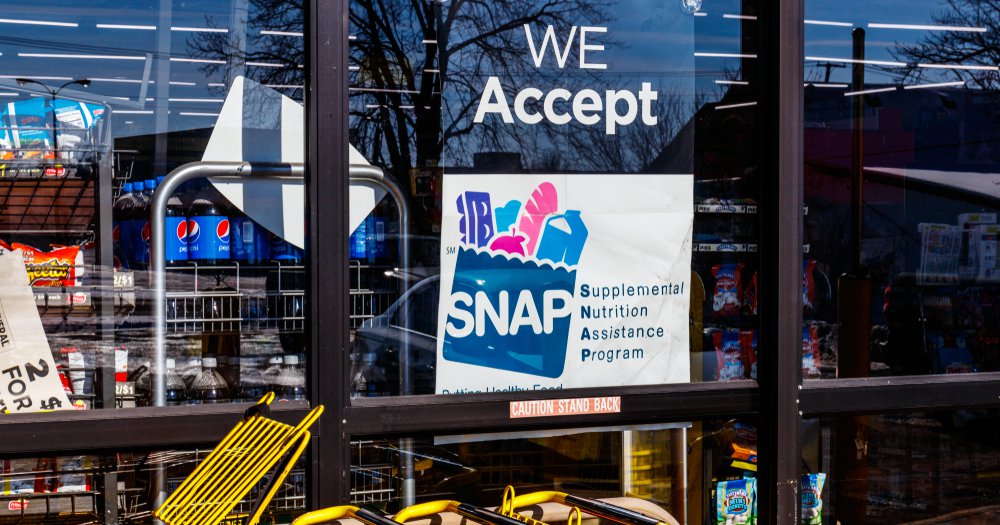
The Biden Administration鈥檚 newly announced National Strategy on Hunger, Nutrition, and Health provides a comprehensive set of actions that could meaningfully address food insecurity and improve national health outcomes. While this robust strategy necessitates federal, congressional, state, local, and private sector actions, it provides a thorough outline for how America can work to end hunger by 2030. This is particularly critical work given the during the COVID-19 pandemic.
Importantly, the national strategy highlights how food insecurity is a substantial problem for college students, and aims to address this by permanently reforming SNAP鈥搕he largest federal nutrition assistance program鈥搕o better meet the needs of college students. Given how is among college students, and how detrimental food insecurity is for their and , this is a critical step towards advancing educational equity and increasing higher education attainment.
The new strategy accurately points out that SNAP鈥檚 eligibility restrictions do not meet the needs of today鈥檚 college students. Prior to the COVID-19 pandemic, students enrolled in college at least half time were generally to receive SNAP benefits. If, however, students met SNAP eligibility requirements and one of the exemptions to SNAP鈥檚 college student restrictions鈥搘hich they could do by working at least 20 hours a week or participating in a work study program鈥搕hey could access SNAP. But the U.S. Government Accountability Office estimated that nearly who were potentially eligible for SNAP did not receive benefits in 2016. Meaning SNAP鈥檚 eligibility requirements鈥搘hich were temporarily waived during the pandemic鈥搉eed to be permanently reformed to ensure the program can help more Americans access affordable food.
Unfortunately, the Biden Administration鈥檚 National Strategy on Hunger, Nutrition, and Health provides few concrete details on how the government will actually reform SNAP to better serve college students. For example, the strategy calls on USDA to partner with the Department of Education (ED) 鈥渁nd other agencies to increase outreach and awareness of SNAP鈥o eligible college students,鈥� by conducting 鈥渏oint outreach to Pell Grant Recipients鈥� to inform them of their potential eligibility for SNAP benefits,鈥� but it fails to promise more specific action鈥搇ike automatically enrolling Pell Grant recipients in SNAP鈥搕hat could more directly address food insecurity on college campuses. The strategy also fails to address other systemic issues with SNAP鈥搒uch as onerous work requirements and painful administrative processes鈥搕hat limit the program鈥檚 effectiveness. The new strategy is therefore a promising framework, but by itself, will not guarantee food security for all college students.
Now that the Biden Administration has crafted this national strategy, Congress and state governments need to act to ensure that all students can access food while in college.
To ensure that SNAP is capable of helping students across the country, Congress needs to permanently eliminate categorical restrictions that have prevented millions of college students from accessing SNAP. Doing so will ensure that all college students from low-income backgrounds can access food without having to balance work, school, and administrative burdens associated with SNAP exemptions. By allowing college students to be eligible for SNAP without having to jump through administrative hoops, congress can both increase food security among this population, and work to increase higher education attainment goals.
In addition to making college students eligible for SNAP, Congress should also reform SNAP to better meet college students鈥� needs. Specifically, congress should redesign SNAP鈥檚 work requirements and administrative processes that significantly reduce the . Congress should also craft policies that automatically enroll Pell Grant recipients in SNAP so that college students from low-income families have guaranteed access to affordable food while attending college.
To help address student food insecurity, state governments should provide funding to colleges to hire and adequately support benefits navigators, who are trained professionals capable of connecting students with public benefit programs and community resources that can help students afford their basic needs. In doing so, states can help colleges institutionalize approaches to reducing student basic needs insecurity, which will maximize the impact of federal actions that aim to reduce food insecurity.
States should also provide flexible funding to allow colleges to provide emergency aid to students who can鈥檛 access public benefits. Not all students will be able to access public benefits in emergencies, and states should allow on-campus benefits navigators the ability to allocate emergency aid鈥搇ike grocery gift cards鈥揹irectly to students facing pressing circumstances. In doing so, states can maximize the impact benefits navigators can have on students facing food insecurity, and can therefore help the students most in need of food support.
If state and federal governments build off of the progress of the Biden Administration鈥檚 National Strategy on Hunger, Nutrition, and Health, they will be able to make significant strides towards addressing food insecurity among college students.
Enjoy what you read? Subscribe to our newsletter to receive updates on what鈥檚 new in Education Policy!
Senior Policy Analyst, Center on Education & Labor