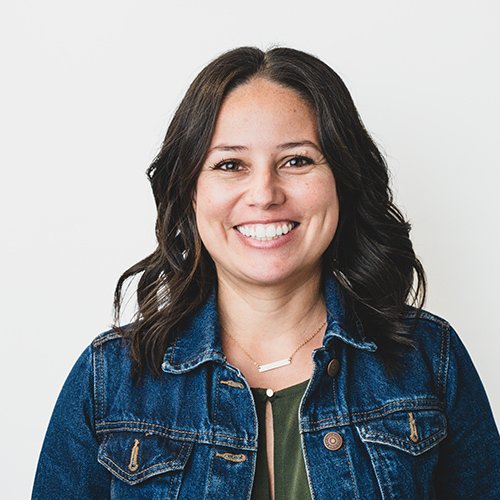
Elena Silva
Senior Director, PreK鈥�12 Education
Bringing the W么pan芒ak language back home
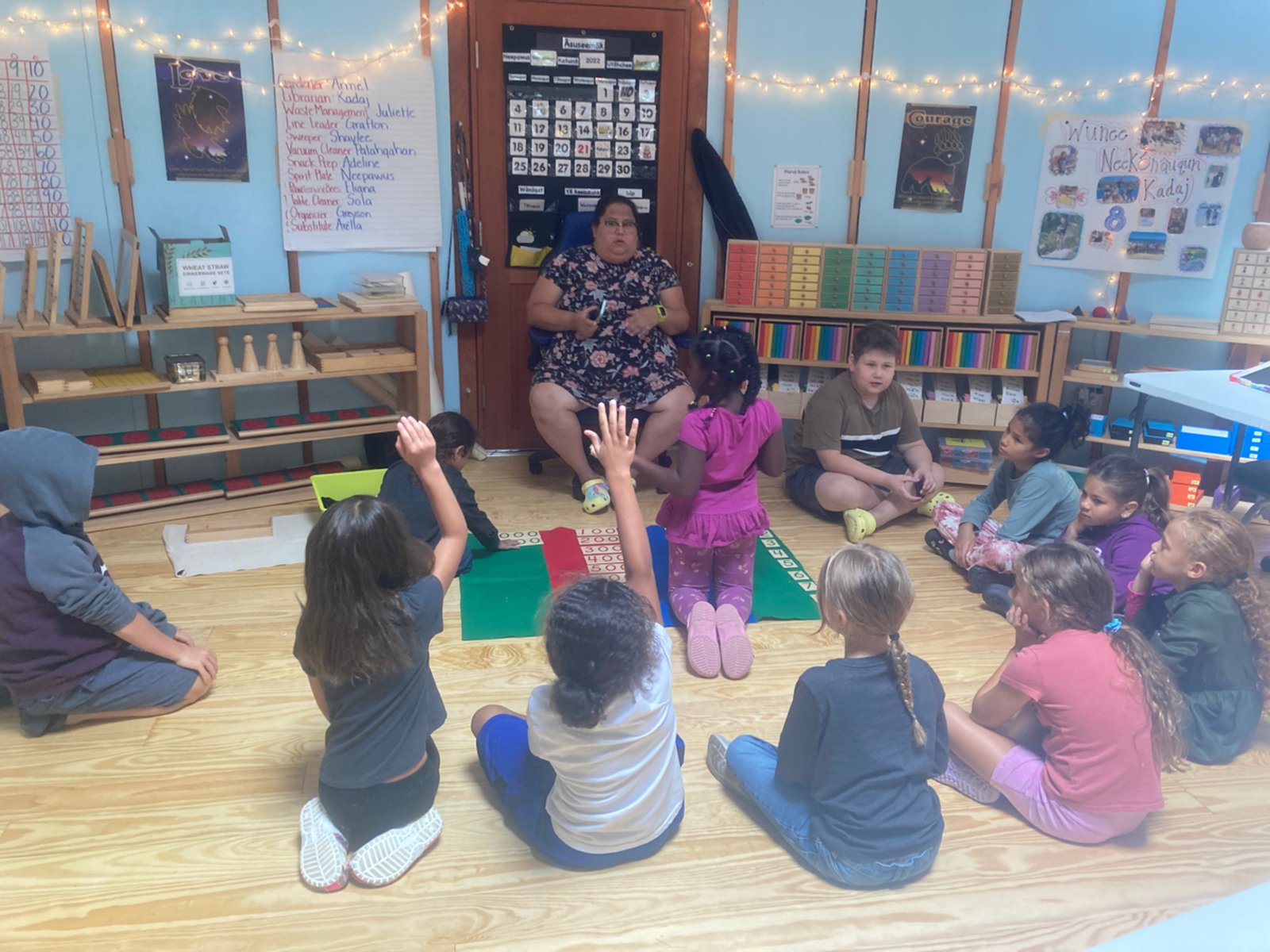
国产视频 70 miles south of Boston, Massachusetts, Wampanoag (W么pan芒ak) children at the (Weetumuw Katnuht么ht芒kamuq) in Mashpee start their day reciting a morning address which includes the phrase:
鈥淵8sh kumeenaw芒nutam8么kanun么nash鈥�: these are our traditions.
Founded in 2016 by the W么pan芒ak Language Reclamation Project, the school enrolls children ages 3鈥�10 from any of the four Wampanoag tribal communities served by the project: Mashpee, Aquinnah, Assonet & Herring Pond. Head of school Nitana Hicks Greendeer is a linguist and one of the few people who has an advanced level of fluency and is literate in the Wampanoag language. She welcomed us into the Wampanoag Tribal headquarters, where the school is located, to share the story of the Wampanoag language and the vision for reclaiming it through the Weetumuw school.
Like many language immersion programs, the school was designed to help Wampanoag children become proficient and literate in their Native language. But this instructional approach depends on the prevalence of teachers and parents who know and can teach Wampanoag, a language that Greendeer says was lost long ago.
Greendeer walked us through some of the Wampanoag Tribe鈥檚 history and discussed how their language came to be all but extinct. Although the Wampanoag people have present day Massachusetts and Eastern Rhode Island for more than 12,000 years, the land and the language of the Wampanoag were lost to centuries of violence and assimilation efforts. By the time the town of Mashpee (where tribe headquarters are located) was incorporated in the late 1870s, speaking 鈥淢ashpee鈥� had been effectively outlawed and the spoken language had died with the last of the fluent Wampanoag elders.
And yet, as Greendeer explains, she and her Wampanoag colleagues have a strong written foundation for the language. This is because the Wampanoag language was fully preserved in written form in 1663, when missionaries trying to convert the Wampanoag to Christianity printed the . This document was used as the basis of the efforts to reclaim the language, first with in the 1990s and then through the creation of the Weetumuw school. Greendeer and others continue to refine the school鈥檚 language curriculum in what she calls a still evolving language. 鈥淲e just had a meeting about how we might have a word wrong鈥utus8ees means 鈥淚鈥檓 called鈥�, but then we recently learned that the stress patterns in other documents suggested that it is really pronounced Nutus8wees.鈥� So here we are, says Greendeer, continuing to study and learn and iterate.


Since the school is still relatively new, Greendeer shared that some people question the effort. 鈥淭hey say 鈥榳e haven鈥檛 had language for several generations and we鈥檙e still here so what鈥檚 the point? Do we really need this?鈥欌�� And while that may be technically true, Greendeer says that understanding the structure of the language helps bring understanding to what it means to be Wampanoag. 鈥淥ne of our customs is that we put pines on or near a body, or burial sites during funerals.鈥� The linguistic context to this custom as explained by Greendeer is that the word 鈥減ine鈥� exists in the Wampanoag language as an animate noun while all the other trees are inanimate. As a result, pines are a symbol of life to the Wampanoag and are alive in the language, but without this understanding, the custom is out of context.
Community members also wonder whether the school can provide the academic rigor needed to succeed in today鈥檚 world, says Greendeer. She characterizes the school鈥檚 language curriculum as 鈥渙rganic鈥�, with no strict schedule for how much instruction is in English or Wampanoag. As an independent school that sits on sovereign tribal land, the Weetumuw school is not held to the same accountability requirements that apply to public schools. Greendeer explains that this grants her and her seven staff a lot of flexibility to decide how they integrate important cultural and academic lessons through their hands-on Montessori-based approach to teaching and learning.
Since the school opened, approximately 60 Wampanoag children have gone through their formative years at the school, too few to definitively say how well the school is preparing students to fare long-term. For Greendeer and her colleagues, it is also unclear how best to financially support and sustain the school, which charges no tuition and depends on a combination of unpredictable short-term grants from government and private foundations.
There are important signs, however, that the effort to reclaim the language through education has been gaining momentum over the years. Students who finish at the Weetumuw school now have the option to their Wampanoag language education at Mashpee High School as a world language. In 2020, a Mashpee High School graduate was the first to earn the for being bilingual in Wampanoag and English. Parents and community members can now also practice and help teach their children the language through an that was created to aid online learning during the pandemic.
When asked about what success looks like for the students that attend the school, Greendeer looks beyond traditional academic metrics and instead assesses the potential of a program like this in terms of its ability to strengthen cohesion and unity in the community.
鈥淭here are a lot of divisions within tribes, and we are no exception to this鈥hrough the school we are growing a generation of Wampanoag people that might not be that way. Kids at the school don鈥檛 know these divisions, they are teaching each other to read and gaining a sense of connection to one another.鈥�
Greendeer did not speak Wampanoag at home growing up, because her dad, which is where she gets her Wampanoag heritage, like the rest of the community for generations, was not taught the language. But Greendeer hopes to continue to change that for her students and their families. At the school there is very explicit teaching: you are Wampanoag, we are Wampanoag, this is your family. And as Greendeer shared, 鈥渓anguage and culture are one in the same, you can鈥檛 separate them out. And these are small and meaningful ways we are connected to our past.鈥�
Enjoy what you read? Subscribe to our newsletter to receive updates on what鈥檚 new in Education Policy!
Senior Director, PreK鈥�12 Education
Senior Policy Analyst, Education Policy