Sarah Jackson
Principal at SJackson LLC
Policymakers often look to California to see what the future will hold. 聽And today, at a time when nearly half of the children in the state are poor and speak a language other than English, a new paper finds the state is not doing enough to ensure these children don鈥檛 fall further behind in school.
鈥淚t鈥檚 hard to imagine what California is going to be like in 20, 30, or 40 years if only 16 percent of California fourth grade Latinos are reading at proficient levels now, and it goes on year after year,鈥� Antonia Lopez, director of Early Childhood Education at the National Council of La Raza says in the report.
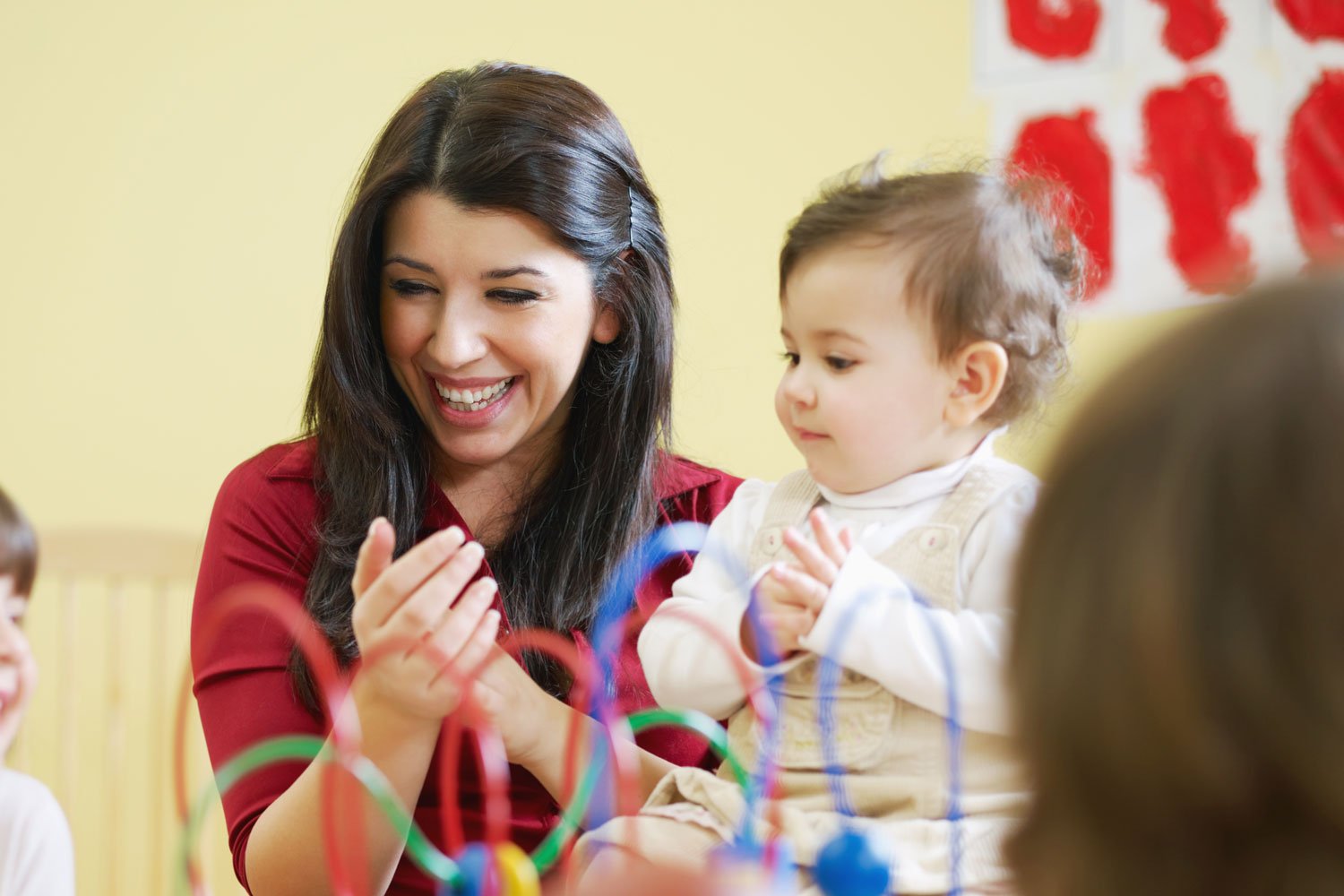
And preparation needs to start young. Research shows that from birth, interactions with adults provide a crucial foundation for learning as children grow. California鈥檚 efforts to prepare and support its cadre of early childhood educators provide important lessons for other states that will soon face similar demographic trends.
After significant cuts to training and services in early childhood education during the Great Recession in California, the state passed a transitional kindergarten bill in 2011 that established a new grade level in public schools (for 4-year-olds with fall birthdays) and also won $75 million in two federal Race to the Top 鈥淓arly Learning Challenge鈥� awards.
Yet interviews with experts here find significant obstacles to building a strong workforce of educators for children age birth to eight.
鈥淚n California we have 58 different county governments and more than 100 higher education institutions responsible for much of our early learning training and professional development,鈥� said author Sarah Jackson. 鈥淭his presents some serious challenges to coordinating and aligning our early childhood workforce.鈥�
Additional obstacles include the lack of data for monitoring and evaluation, the divide between the state鈥檚 birth-to-5 and K鈥�12 workforce, and most notably, low wages in the field, which are frequently cited by experts and advocates as barriers to attracting and retaining highly qualified educators who want to stay and build their careers in early childhood education. California鈥檚 birth-to-5 workers earn, on average, $24,000 annually, an income that makes a one-person household eligible for food stamps, Medicaid, and other social welfare programs.
鈥淭here鈥檚 a dynamic tension in our field right now between the expectation for quality and dealing with a workforce that is grossly underpaid,鈥� said Andrea Youngdahl, former director of the city of Oakland鈥檚 Department of Human Services. 鈥淲e can鈥檛 have that conversation about quality without looking at compensation.鈥�
But there are signs of hope. 聽State leaders have taken promising steps toward building some of the infrastructure required to improve teacher training and to incorporate new knowledge about the importance of adult-child interactions, including reforms to the state鈥檚 teacher credentialing and higher education systems. The report presents seven recommendations for moving California鈥攁nd the nation鈥攆orward.”
Principal at SJackson LLC