Jason Delisle
Director, Federal Education Budget Project
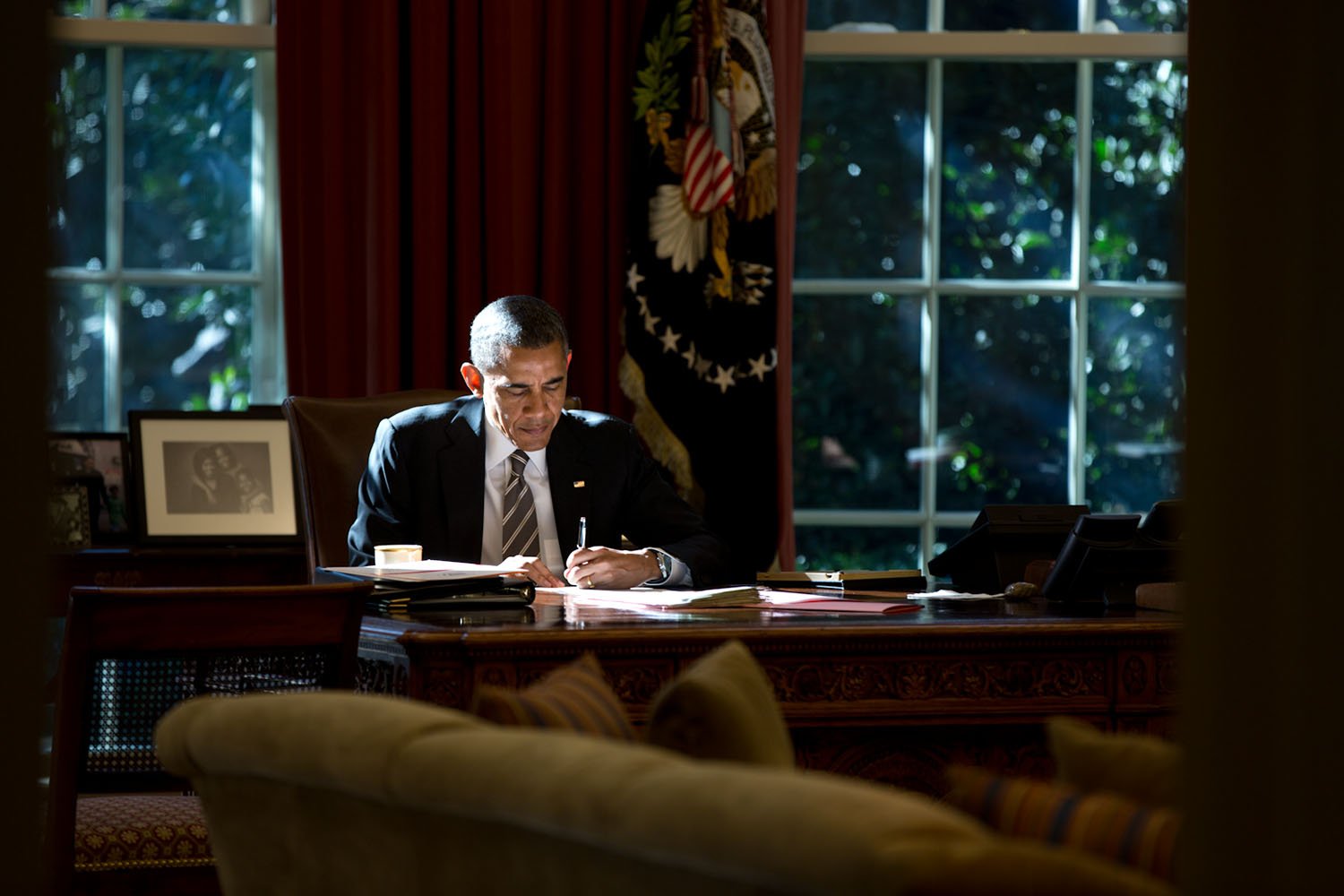
President Obama鈥檚 fiscal year 2015 budget request proposes key changes to the Income Based Repayment program for federal student loans. The changes will help make the program more fiscally and politically sustainable.
Over the last few years we鈥檝e sounded the alarm that changes the Obama administration made to Income-Based Repayment overwhelmingly benefit graduate students and allow borrowers earning high incomes to qualify for loan forgiveness. The changes also exacerbated a聽 in the student loan program where schools combine the unlimited benefits of Public Service Loan Forgiveness with unlimited borrowing under the Grad PLUS program to capture windfall taxpayer subsidies for themselves and their graduate and professional students.
Because we believe IBR should be the foundation of a more streamlined repayment system — one in which all borrowers would be automatically eligible to make a minimum monthly payment based on their incomes — we proposed a series of changes to rein in IBR鈥檚 windfall benefits (, , and ). At its current level of benefits, the program is only sustainable so long as it remains complicated and opt in, as those features minimize both the costs and visibility of its lopsided benefits.
The president鈥檚 fiscal year 2015 budget includes a number of the reforms we鈥檝e recommended, such as a new loan forgiveness threshold for borrowers with high levels of debt and a cap on Public Sector Loan Forgiveness. It closes a loophole that allowed married borrowers to exclude their spouse鈥檚 income from the IBR calculation. And it uses the savings generated by the proposals to expand access to IBR — though it doesn鈥檛 make it an automatic and universal repayment plan like we have advocated.
Below is an outline of the problems in the current IBR terms that we have identified in the past, the changes we recommended to address them, and the proposals announced in the president鈥檚 fiscal year 2015 budget. A follow-up post explaining the changes more fully is .
Director, Federal Education Budget Project