Julia Craven
Senior Writer and Editor, Better Life Lab
My over-ambitious approach to being well was hindering. Healing isn鈥檛 an achievement.
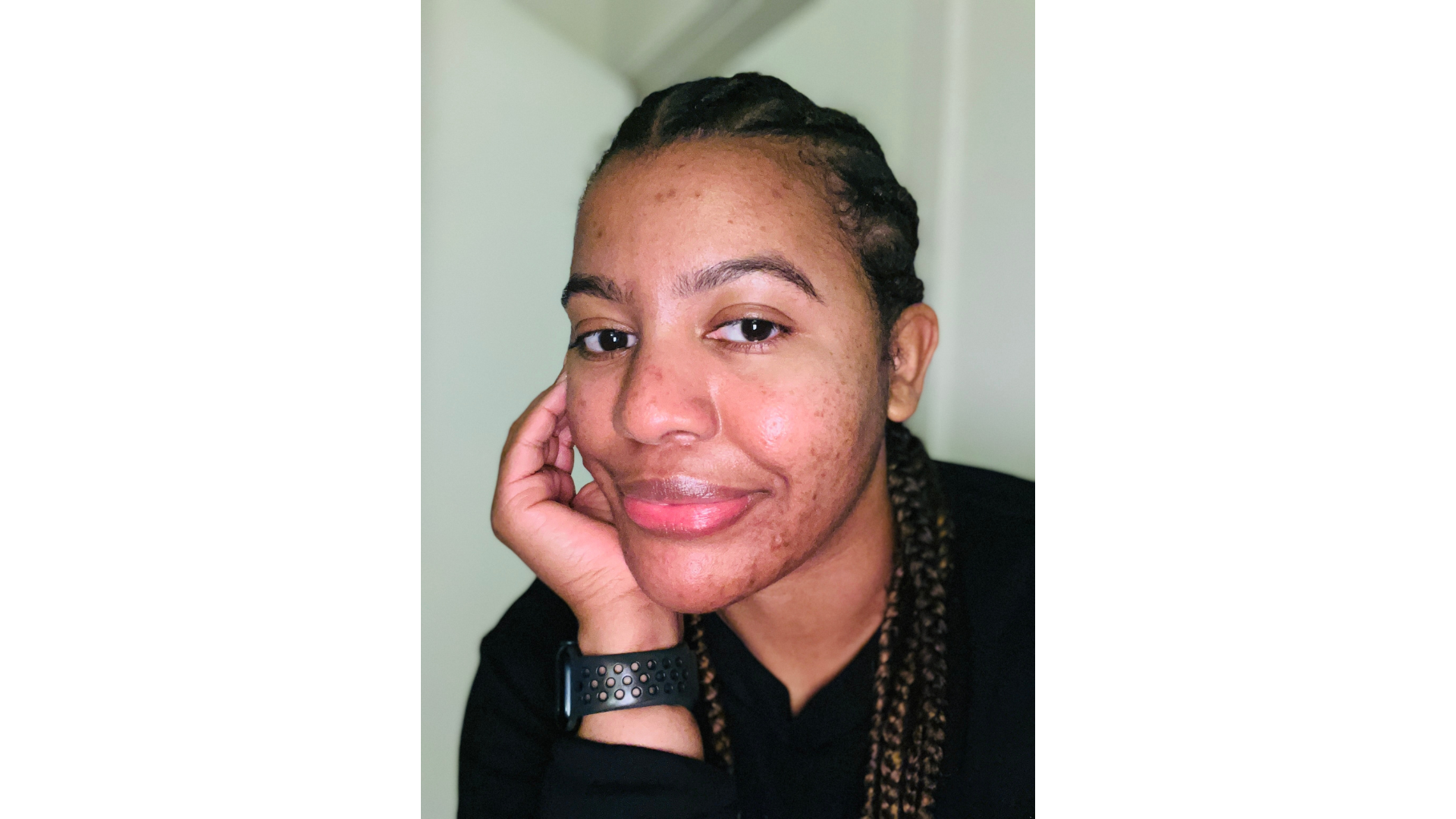
As we consider the goals of the Your Life, Better newsletter for this calendar year, we鈥檝e decided that we鈥檇 occasionally like to share true personal essays that dig into how issues of care, work-family justice, gender and racial equity, and well-being show up in individual lives. This week, BLL Senior Writer/Editor Julia Craven has written about her multi-year journey to unpack the role of care and wellness in her life. We鈥檒l continue to offer service and/or policy insights in every newsletter鈥攜ou can find our take on the State of the Union at the end of this newsletter. We hope these personal reflections will highlight the human element to the issues we discuss and create an opportunity to think about these topics from a different perspective. We'd love to hear your perspective as well! You can share it with us at [email protected]. With your permission, we may share it in a future newsletter.
Three distressing events happened to me late in the summer of 2019. The first was a staph infection treated by a physician who told me that if I hadn鈥檛 come in sooner, I would have died. (Another doctor later informed me that wasn鈥檛 true.) Three weeks later, there was a painful cyst that nearly became septic. (I鈥檝e .) And the third was an odd migraine presentation. This was the scariest incident and the one I remember most vividly.
I was standing in the middle of a local pie shop on a busy night. When my name was called, I quickly turned my head to the side, and a disorienting jolt of pain shot through my skull from my left temple. I grabbed my forehead, stumbled, and caught myself. And, as quickly as it had come, it left. As late summer unwound into autumn, the jolts of pain happened just as randomly but much more frequently鈥攅ven if I wasn鈥檛 moving.
Wrapped in a turtleneck sweater and a navy blue trench, I walked into my first neurology appointment in November 2019, and I wasn鈥檛 very hopeful. But the doctor was cheery and convinced that she鈥檇 determined what was happening: The number of antibiotics I鈥檇 taken during those back-to-back bacterial infections earlier in the year had caused me to develop a rare neurological disorder. There was a medication for it. I cried, happy that finally, I鈥檇 have some relief.
But in January, I walked into my PCP鈥檚 office begging her to take me off the medication. The neurologist had refused even though I鈥檇 told her that I was having newly onset suicidal thoughts, a sign that I was having a bad reaction to the medication. Plus, it wasn鈥檛 reducing the pain anyway. At the end of the month, I saw a different neurologist who properly diagnosed the new migraine presentation, which was, frustratingly, causing the jolts of pain ripping through my noggin. [1]
I still can鈥檛 quite describe what it feels like to believe, fully and totally, that you are dying. All three experiences remain, imprinted in my psyche, rearing their heads in debilitating ways years later. That 6.5-month period left me with crippling health anxiety.
The pandemic did not help.
I dissected this period of my life in February 2023 for a freelance project, after spending several years in a deep state of conscious and unconscious grief. This period didn鈥檛 manifest clearly鈥攊t began with me noticing changes to my body and my career, which spiraled into me realizing that I didn鈥檛 know what I wanted to do with my life. Most significantly, I didn鈥檛 know who I was outside of my career and my willingness to strive for perfection. The essay was not published, but the editor graciously let me take it elsewhere. I published it in my newsletter, , and I鈥檓 going to reprint an updated version of it below. As I鈥檝e written many times before, my relationship with wellness is incredibly complicated鈥攁nd this is another piece reflecting on and working through that complexity. The thrust of this piece, however, is me asking myself the question at the center of Toni Cade Bambara鈥檚 novel The Salt Eaters: What does it mean to be well? And do you have it in you to do it? It took me a minute to square this question with the work we do at the Better Life Lab, and I鈥檝e struggled to bridge the connection between being well and care. But what I鈥檝e written below offers a human lens to the answer: The systems that prevent us from taking proper care of ourselves and our families manifest themselves throughout all facets of our lives.
Complicated systemic issues provoke people to seek out the snake oil salesman because taking his potion feels easier than contending with our country鈥檚 lack of universal paid leave, guaranteed basic income, guaranteed housing, and child care to help keep the most vulnerable among us afloat.
I couldn鈥檛 get them up. I jumped, braced myself upon landing, jutted my hips forward, squeezed everything in, making myself as small as possible, and yanked. They didn鈥檛 budge. I let out a deep sigh as my coziest jeans made themselves at home just below my hip bone. Instead of trying again, I pulled them off and grabbed a pair of leggings鈥攎y bottoms of choice since the summer of 2021. But by February 2022, I was over it. I wanted to put on my most beloved denim.
I knew, on some level, that the jeans were a conceit for my desire to squeeze back into my old life, the one I had before the COVID-19 pandemic uprooted our lives and I reported on the deaths of . I hopped on the coronavirus coverage early, starting with a series of stories on how COVID-19 was affecting people incarcerated on Rikers Island. One of those assignments entailed me fielding a series of phone calls from those same men who shared of the conditions they were living in. This, of course, led me deeper into reporting on , culminating in about how, if officials did something, Black lives could be saved.
I couldn鈥檛 fit back into my old life, though.
I spent the greater part of 2022 mourning my pre-pandemic self鈥攎ostly my body, routines, and the days when I didn鈥檛 watch the COVID-19 death counter tick upward. But, more importantly, I realized I鈥檇 lost an integral part of my identity. My willingness to care for myself had slipped away from me, escaping my reach before I noticed it was gone.
There was no reprieve in my desperate search for it. I scavenged the shelves of my pantry and rummaged through the piles of clothes I could no longer wear. I stocked the fridge with the foods I loved and reinstated the routines that kept me sane. I even returned to my sanctuary, lifting my old weights, and jumping onto plyometric boxes, desperately scouring for what I鈥檇 lost.
I wanted it all back.
The life I had before the pandemic was an accomplishment I had chased for years. My routines and body were what I鈥檇 always wanted, and I spent a great deal of time trying to recreate them. In 2019, I had a set schedule. I was up at 6 a.m. I did yoga, meditated, and made breakfast before hopping on the train. Then, I鈥檇 get off a few stops before the office and walk a mile in. Once the day had wrapped, I鈥檇 walk to the gym and workout.
That process didn't click in 2022. My attempts to get up at 6 a.m. went smoothly鈥攂ut yoga, a long walk, and breakfast? Before 10 a.m.? Then a second workout later?
Nah.
I鈥檇 become terribly anxious about my physical health after three very distressing health scares in 2019, and that feeling of hypervigilance skyrocketed during the pandemic. My intuition told me that this push for my old way of being was anxiety-fueled and a desperate attempt to control something as the world around me rapidly changed.
Still, I fought for what I once had. I adapted, switching up my routine to exercising midday, walking in the morning, and doing yoga whenever I felt like it. That didn鈥檛 work for long, either. So I went for walks around noon instead and returned to morning yoga and evening workouts, which, you guessed it, didn鈥檛 work. By this point, I was convinced that something was wrong with me. I reread The Salt Eaters, Toni Cade Bambara鈥檚 opus on what it means for Black women to commit fully to healing. I delved into Sisters of the Yam by bell hooks, a reflection on how misogynoir鈥攖he racist and sexist contempt leveled at Black women specifically鈥攁ffects our health for the first time. I increased the frequency of my therapy sessions. None of it worked in the way I鈥檇 wanted because I simply couldn鈥檛 recreate the same sense of control I had over my life before I covered the deaths of one million people.
My over-ambitious approach to being well was hindering. Healing isn鈥檛 an achievement. It's an ongoing process that can鈥檛 be relegated to a checklist. The only way to heal is to surrender to the incredible amount of emotional and spiritual work it takes to do so, to take on the responsibility and the weight of it鈥攎axims I learned from hooks and Bambara鈥攕o that you can reclaim your agency and liberate yourself from the pain.
Their work provoked me to come to terms with an intricate truth: Complicated systemic issues provoke people to seek out the snake oil salesman because taking his potion feels easier than contending with our country鈥檚 lack of universal paid leave, guaranteed basic income, guaranteed housing, and child care to help keep the most vulnerable among us afloat. When our struggles to feel well are assessed through this lens, the pull to have the right workout regimen, an optimal morning routine, and an ideal waistline begins to make more sense. The machine of capitalism is promising a cure for the problems it has caused. But we don鈥檛 need fancy supplements; we need access to nutritious foods. People don鈥檛 need another self-help book; they need child care. And, most importantly, we don鈥檛 need advice from the multi-billion dollar wellness industry; we need an overhaul of the systems that prevent us from being able to take proper care of ourselves.
Acknowledging who I am now hasn鈥檛 been easy. It鈥檚 required me to dig deep and allow myself to be vulnerable while not dwelling in the muck. I鈥檓 more emotionally sensitive now, and I need more radical rest. But I鈥檓 also giving the compassion and grace I鈥檝e given others back to myself. I鈥檓 no longer surviving. I鈥檓 living now.
In June, after a go with COVID-19, I tried to pick up where I鈥檇 left off, but the health complications from the infection sat me down. It was physically impossible, at that time, to do too much. I don鈥檛 view illness as an opportunity for reflection, but I decided to look at it that way this time. So I asked myself: What do you need right now in 2022?
The answer was, 鈥淎 lot.鈥� In addition to therapy, I accepted that I needed to start taking antidepressants. I stopped being rigid and embraced a 7 a.m. wake-up time, which had always felt more natural. I took a month off from the gym, and when I returned, I started cycling my workouts to incorporate more rest days. I use that time to stretch, meditate, and get my yoga flows in. I don鈥檛 cram everything into a single day anymore.
Now, I am someone who honors their current reality, and who incorporates an understanding that internalizing systemic failures won鈥檛 help me feel better. I take care of myself by being kind to my body, refraining from (much) negative self-talk, and refusing to punish myself with exercise. Getting there required me to open up to change. It took me months to release the grip I had on what once was, what was no longer working, and what never really worked. I鈥檓 still working on it, but I鈥檝e taken my ego out of it and surrendered to 2022. That is who I am now.
Or, at least, for the time being.
This piece was featured in our newsletter. Click the button below to sign up.
[1] For those curious, my migraines are done being weird and have reverted to regular, degular episodes that leave me laid out on the couch with a bottle of ibuprofen glued to my hand. No needed鈥攁 massive feat of which any migraine sufferer is well aware.
Senior Writer and Editor, Better Life Lab