
Aaron Loewenberg
Senior Policy Analyst, Early & Elementary Education
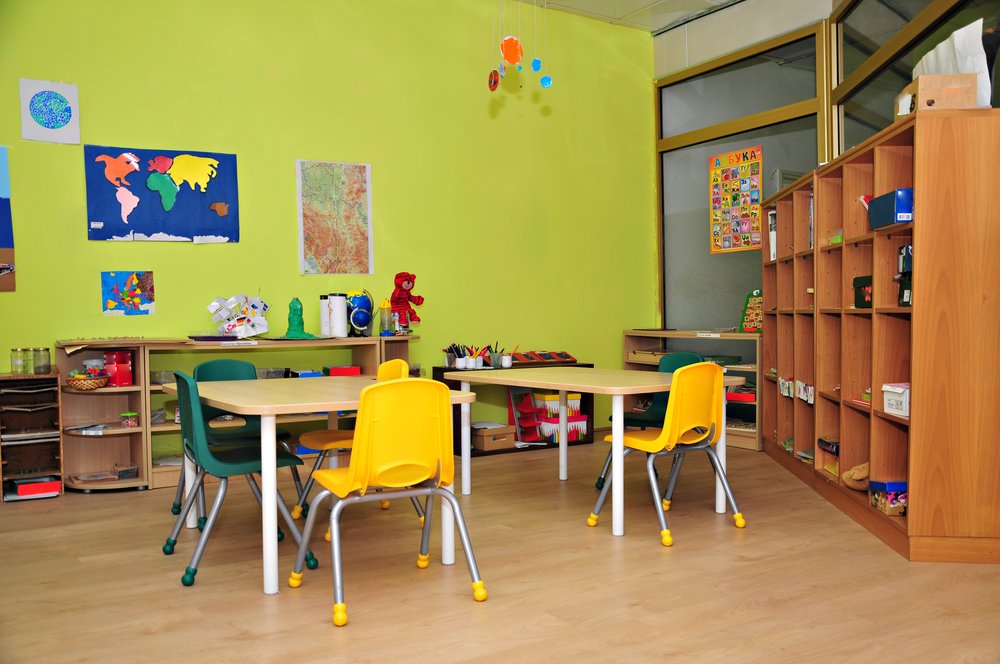
At the end of yet another day of teaching kindergarten, I would often feel physically and mentally exhausted. After the students had left and I was alone in my empty classroom I would reflect on all of the components we had covered that day: morning meeting, an hour of writing, ninety minutes of whole and small group reading instruction, an hour of math instruction, a combined science and social studies lesson, center time, PE or art class, and, of course, lunch and recess. Luckily, we also had seven hours a day to cover this wide range of content. It was hard for me to believe that my teaching colleagues in other states had to attempt to cover all of this material in anything other than a full-day kindergarten setting, especially since the adoption of the rigorous and an increased academic focus in kindergarten that has prompted some education experts to label kindergarten
The good news for teachers in Oregon is that they鈥檒l no longer have to cram a full day of content into just a couple of hours. Starting this year, to virtually every five-year-old in Oregon. 聽For Oregon, this represents a dramatic increase from the 42 percent of five-year-olds who had the option of attending a full-day program last year. The Oregon Legislature鈥檚 decision to cover the $110 million annual cost of expanding full-day kindergarten has led school districts to create over one thousand new full-day spots for this school year. Oregon teachers will now have the time they need to ensure that lessons go deeper rather than just skim the surface, while providing opportunities for teachers to utilize the kind of hands-on, exploratory lessons that are best suited for young children. There will be more time for important but often overlooked subjects such as art, music, and PE. And Oregon students will enter first grade better prepared for reading and math and with the stamina needed to handle a full day of instruction. 聽For districts that already offer full-day classes, they can now use these extra funds to provide other vital services, such as summer school for struggling students.
But is full-day kindergarten for all Oregon students worth the $110 million annual price tag? 聽dismiss full-day kindergarten as nothing more than 鈥渇ree daycare鈥� funded at taxpayers鈥� expense. They point to a prominent that found that any benefits students accrued from full-day kindergarten disappeared by the third grade. But a closer look at these critiques prove them to be without merit. The dismissal of kindergarten as nothing more than glorified daycare ignores the hours of academic and social-emotional content that are taught each day in kindergarten classrooms across the nation and demeans the hard work of early childhood teachers who, just like many teachers at other grade levels, spend nights and weekends ensuring that their lessons are both engaging and academically rigorous. 聽And while kindergarten is so much more than daycare, one benefit of full-day programs is that they align better with parent work schedules and potentially save parents from paying thousands of dollars in child care costs, an for many middle-class families. 聽It is also important to remember that many child care centers fail to offer the kinds of enriching learning opportunities available in kindergarten classrooms.
As for the argument that any beneficial effects of full-day kindergarten will fade out by the third grade, the same Duke study that is used to argue against full-day kindergarten actually concludes by stating that full-day kindergarten 鈥渟hould be available to all鈥� and should be viewed as 鈥渙ne in a continuing series of interventions needed to alter the academic success of students who enter and continue through school with disadvantages.鈥� 聽What is known is that students in full-day programs make in early reading skills compared to their peers enrolled in half-day programs and that these gains help to close the achievement gap between the highest and lowest-performing students. 聽And from the University of Virginia concludes that full-day kindergarten has 鈥渁 substantial, positive effect鈥� on students鈥� literacy skills, particularly among Hispanic students.Currently, require school districts to offer full-day kindergarten programs. 聽While these full-day programs are not a 鈥渟ilver bullet鈥� that will fix all of the country鈥檚 educational problems, they do represent an important step in creating high-quality learning environments all along the preK-3rd grade continuum. 聽Oregon should be applauded for making a major investment in its children that has the opportunity to produce benefits for the state, both now and in the future.”
Senior Policy Analyst, Early & Elementary Education