
Kids, Mud, and…Learning? Outdoor Early Education and Equity
The boy really wanted to talk about Pok茅mon.
First, as we walked through the woods, he ticked off a list of his favorite monsters and explained his training strategies. 鈥淏oth my parents have it on their iPads,鈥� he said. Then, when his class arrived in a small clearing 鈥� the aviary 鈥� and gasped at the sight of a great horned owl resting on a falconer鈥檚 arm, he quickly recovered himself, raised his hand, and announced that one of his Pok茅mon looked just like that.
Later, on the way to a nearby meadow, kids stopped to . Some wore them as 鈥渇lowers鈥� in their hair. Others threw them and/or scattered the seeds. But he stopped, looked up, brightened, and announced, 鈥淚t鈥檚 like a Pokeball!鈥� Apparently, just as a seed pod stores seeds, a Pokeball stores Pok茅mon.
鈥淗ey!鈥� chorused a group of boys. 鈥淗ey! Hey you! Come look! We found a salamander!鈥� The boy tossed his seeds to the wind and charged over. I waited in vain for a reference.
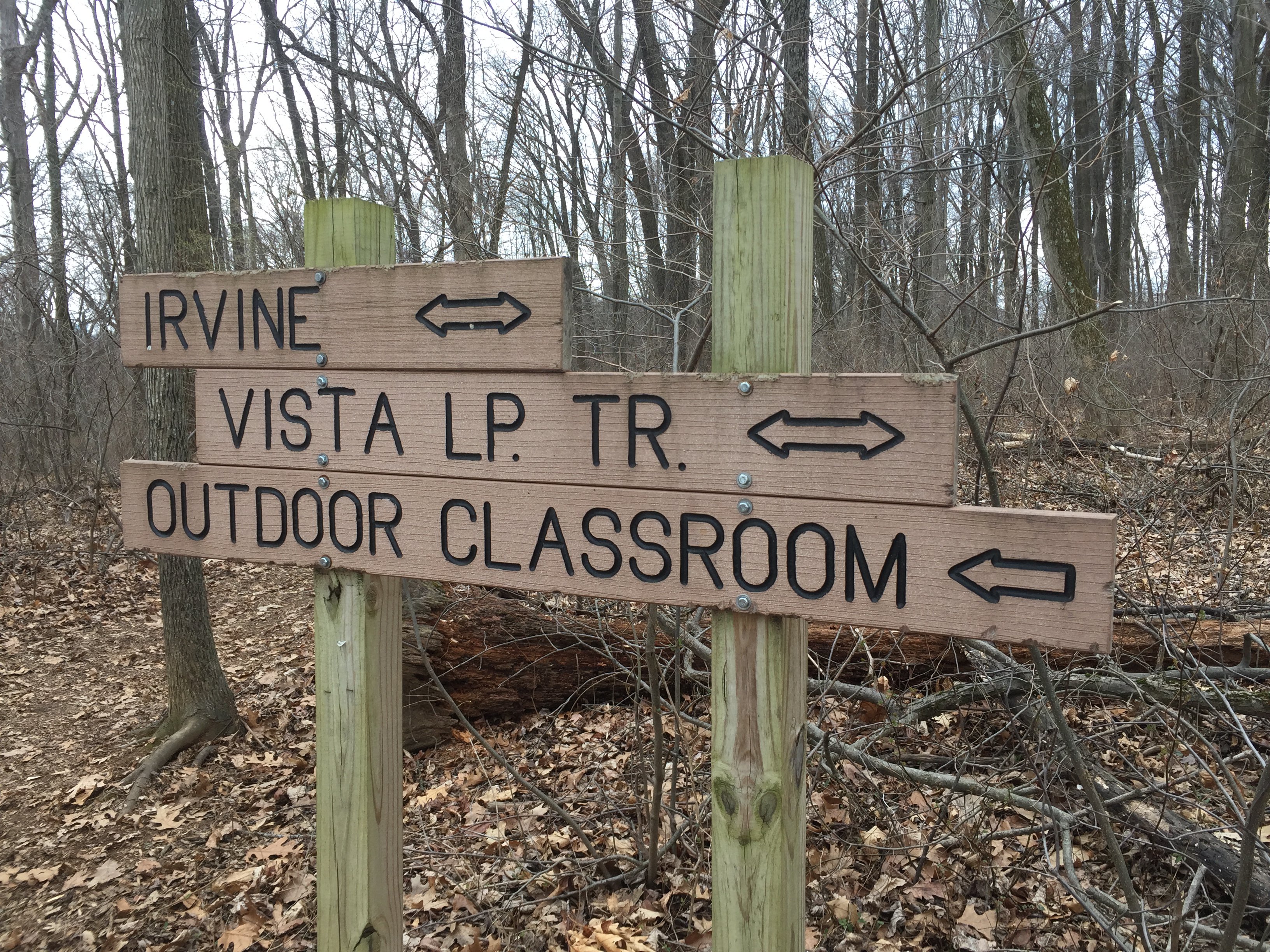
This is pre-K at the Nature Preschool at Irvine Nature Center. Kids spend hours outside each day in almost any weather, clambering through the outdoors in search of, well, whatever they find interesting. It鈥檚 part of a larger movement in American early education. Spurred by concerns that American childhood is shifting indoors and online, a growing number of early education programs are moving their programming outside.
These programs feel subversive 鈥� pedagogies outside the United States鈥� educational norms. As such, most of these 鈥渇orest kindergarten鈥� or 鈥渘ature preschool鈥� programs are private…and expensive. They鈥檙e generally to families without the means to pay for private early education. This means that the push to get more kids outdoors in the early years is largely happening parallel to the broader movement to expand public investment in early education. As I put it in today,
[S]uch programs are relegated to the category of 鈥渁lternative鈥� and accessible almost exclusively to parents who proactively seek them out. It would be hard to make outdoor preschool the rule, the government-sanctioned model, because its benefits are as abstract as its purpose is subjective. When it comes to public funding, it鈥檚 much easier to sell programs that promise academic rigor and a neat dovetail with kindergarten.
摆鈥
Sure, skilled educators can integrate math or reading instruction into time spent outdoors, but there are only so many hours in the day, and suggests that academically focused pre-K programs are particularly good at boosting children鈥檚 early math and reading abilities before鈥攁nd into鈥攌indergarten. It also found that 鈥渉igh-dose academic鈥� preschools were uniquely effective at raising African American children鈥檚 math and reading skills. Is it possible to capture the benefits of unstructured time in nature within the structures of public early education?
This is a real challenge. Americans have become accustomed to talking of early education programs the way stereotypical grandfathers talk about dirt. You鈥檝e got a scrape? A broken arm? Pneumonia? Rub some dirt in it. Works wonders. Got achievement gaps in your schools? Social immobility? Mass incarceration? Rub some pre-K on it. Can鈥檛 go wrong. (A confession: . .)
Shoot, in February, the Mission: Readiness initiative at the Council for a Strong America released a report : 鈥淗ow greater access to high-quality child care in Louisiana can help improve military readiness.鈥� At present, around three-quarters of Louisiana kids are unfit to serve in America鈥檚 armed forces because of 鈥渆ducational deficits, health deficits, and behavior problems.鈥� Given the evidence that early education can improve child health and educational trajectories, the retired military brass behind the report might have a case.
This rhetoric鈥檚 appeal is obvious. 鈥淧re-K: making us richer and safer鈥� is a better talking point then 鈥淓very other developed country has a better early education system than ours.鈥�
And yet, this political upgrade carries practical baggage. These new frames can shift how these programs operate. Early education programs yoked to Very Serious National Projects like protecting national security and increasing tax revenues inevitably differ from early education programs designed to simply prepare children for kindergarten. When the country views early education this way, that leaders ought to work intensely to make these programs serve their purposes, to conclude that pre-K classrooms need dedicated time to work directly on early literacy, a structured and replicable curriculum for social and emotional learning, and a scaffolded physical education module to ensure that children are working all of their muscle groups at the appropriate rates and times.
In other words, if policymakers think of early education as an inoculation against education underachievement and as a solution to big national problems, they鈥檙e going to be inexorably drawn to writing rules to determine precisely what happens in pre-K classrooms. This is understandable! It鈥檚 hard for education leaders to care intensely about new programs 鈥� while simultaneously leaving those programs alone to do their work. As such, it鈥檚 tough to find ways to build hours of free, exploratory time outside into public early education centers.
, I profile a Washington, DC public charter school that鈥檚 trying to to incorporate the outdoors into academic instruction (and vice versa) in the early years. But leaders there make it clear that it’s still hard to faithfully implement a pristine nature-based early education program in a diverse, public, urban setting. Which raises an unwelcome possibility: absent a shift in early access to the outdoors, the country will be able to add nature deficits to the many inequities already plaguing American childhood, things like resource inequities and academic achievement gaps. Somehow, someway, time exploring outside 鈥� the freest possible resource 鈥� will become a marker of privilege.
More 国产视频 the Authors
Issues
Programs/Projects/Initiatives
Related

Built to Last: How Leaders Are Creating Sustainable Early Childhood Funding

Pre-K Is Having a Curriculum Moment. A Professional Learning Movement Needs To Follow.

Federal Early Education Update: June 2026
