Christine Bannan
Policy Counsel, Open Technology Institute
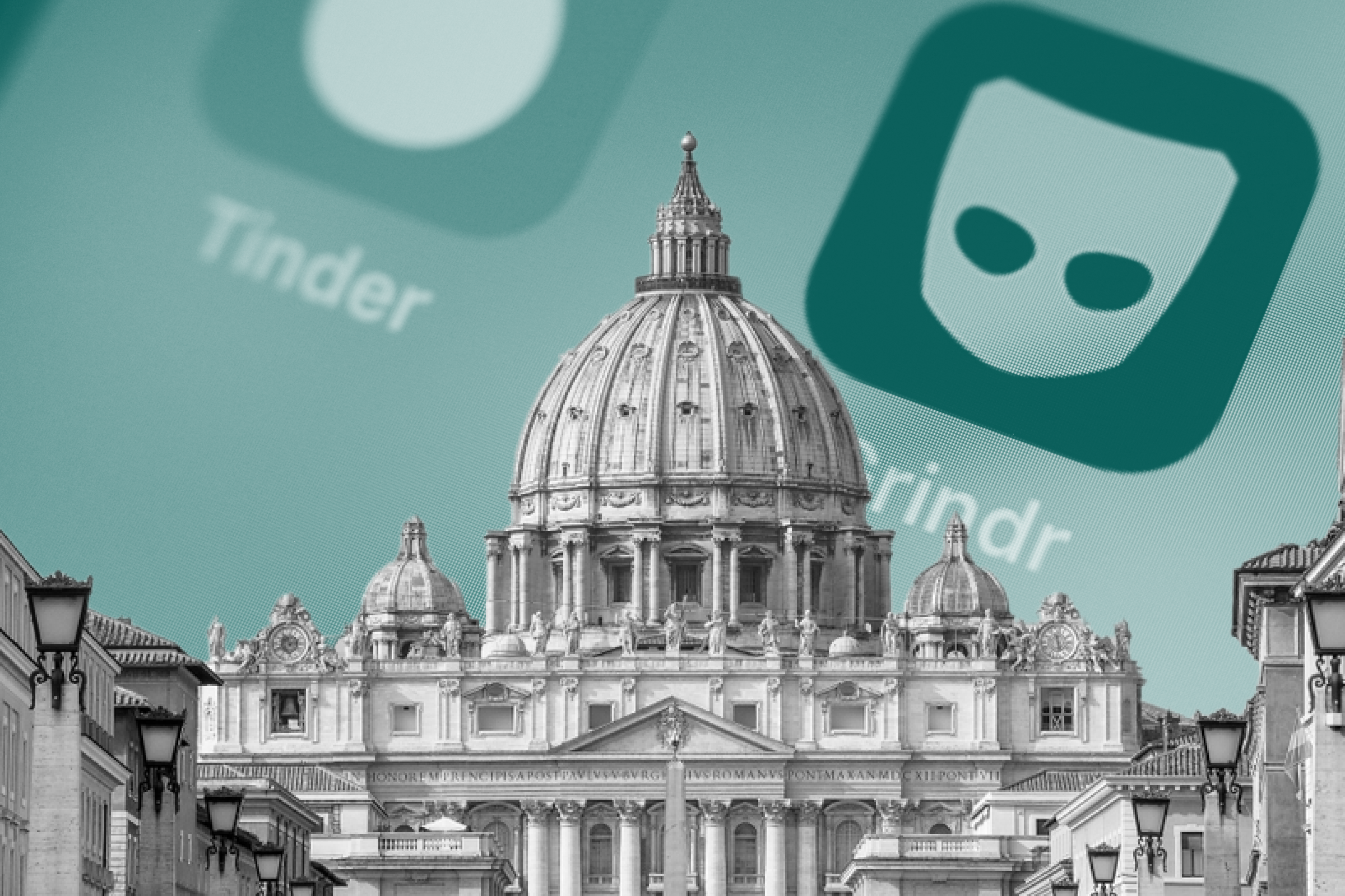
For years, privacy advocates have warned about the , and recently those harms materialized in an unlikely context: Grindr and the Catholic Church. The Roman Catholic Church was hit with news of priests among its ranks using the queer dating app Grindr. The Catholic publication The Pillar used commercially available geolocation and app-usage data from Grindr to that a specific priest had regularly used the app since 2018, and visited gay bars and private residences while using the app. This priest held a prominent oversight role in the church鈥檚 response to the 2018 sexual abuse crisis, and resigned after he learned that the expos茅 would be published.
Clergy abuse flourished amid a culture of secrecy and coverups, so it is right to promote transparency and accountability to correct that culture. This new story, however, conflates institutional transparency with the monitoring and exposure of an individual鈥檚 privacy, revealing only a priest鈥檚 violation of his celibacy vow, not any abuse or institutional cover-up. It is dangerous to equate transparency with a lack of privacy鈥攁nd allowing reporting using this type of data will only become more common and the consequences should concern everyone.
Days after the news broke, the Pillar published another claiming that 32 devices using location-based dating apps (including Grindr) emitted signals from non-public areas of Vatican City. Supposedly anonymous location and app-usage data is sold in aggregate and commonly used in digital advertising. However, with an , we can expect more private scandals to be revealed using similar methods. The ad tech industry pushes the false narrative that their data practices aren鈥檛 intrusive because they do not use people鈥檚 names, though this story demonstrates that mobile ad IDs ultimately serve the same identifying function.
Grindr has a particularly egregious history of data abuses. For example, in 2018 it shared information about users鈥� with ad tech companies, and was by the Norwegian government for violations of the European privacy law. Many mobile apps collect granular, real-time geolocation data even when the app is not in use.
Unfortunately, Grindr鈥檚 terrible privacy practices are not rare among mobile : The geolocation data from popular through defense contractors; geolocation data to locate and deport undocumented immigrants; buy data to track people, legally evading warrant requirements and Fourth Amendment protections; can buy data on romantic interests or other personal relationships; and can buy real-time geolocation data to track the movements of their targets. There are virtually no restrictions in the United States on how your personal data can be captured, sold, bought, and disclosed, and the few restrictions that do exist are rarely enforced.
Data usage capabilities are no longer limited to intelligence agencies; anyone with the resources and the will can simply buy access to records showing the precise movements of a person over many years. The Pillar鈥檚 piece rebukes claims from privacy skeptics and industry lobbyists that the data collected and circulated for surveillance advertising purposes pose no substantial risk of harm. The harm in this case is primarily reputational, though the same type of data could be used to cause privacy harms that are physical, emotional, or relational. Many communities have seen and experienced these harms firsthand. One of the clearest examples is that of the queer community who have been and have literally and figuratively, culturally and by the state. See: .
It is dangerous to equate transparency with a lack of privacy...
To those eager for a quick solution to systemic abuse, increased surveillance always seems like the answer. Law enforcement officials regularly claim that if they had the power to proactively monitor everyone鈥檚 communications, they would be able to stop the spread of child sexual abuse material and catch predators. In reality, this would involve violating the privacy of all users in an attempt to target a small group of users. The ability to communicate privately is important to everyone, especially for marginalized groups, including LGBTQ+ people, as they for private communications that are in no way illegal.
A system that enables third-parties to access one individual鈥檚 private communications would undermine security and privacy for all. Catholicism鈥檚 sacrament of confession embodies this principle: When someone confesses a sin to a priest within the context of the sacrament, that communication is considered so sacred that priests are willing to be to protect that information. This privacy allows Catholics to seek spiritual guidance because they trust that a confession will remain between them and their priest. If those communications could be bought and sold by data broker companies that information could be used to target individuals or communities.
Catholics and non-Catholics alike would be wise to heed Pope Francis鈥檚 recent warning in his 2020 encyclical, :
鈥淒igital communication wants to bring everything out into the open; people鈥檚 lives are combed over, laid bare and bandied about, often anonymously. Respect for others disintegrates, and even as we dismiss, ignore or keep others distant, we can shamelessly peer into every detail of their lives.鈥�
The data broker industry can grant the power to peer into every detail of our lives to anyone willing to pay for it. This case demonstrates what happens when that power is used against an individual to damage their reputation for conduct in their private life. Examples of organizations abusing supposedly anonymous data without repercussions will only increase as data becomes easier to purchase and reidentify. The sensitivity of geolocation data makes this threat especially urgent.
At OTI, we advocate for comprehensive federal privacy legislation that would protect personal data by limiting data collection and the purposes for which sensitive data can be used. Data brokers should be prohibited from exploiting personal data and exposing individuals to untold risks. Grindr faced legal consequences because the European Union treats privacy as a human right; it would be much more difficult to bring a case against the company in the United States because we lack comprehensive privacy legislation. And once data has been sold to a data broker, there鈥檚 no putting the genie back in the bottle. A hefty fine acts as a deterrent for the future, but it cannot undo the reckless exposure of personal data. Privacy legislation won鈥檛 undo damage that has been done, but it can put an end to the commodification and sale of our lives.
Policy Counsel, Open Technology Institute