Brigid Schulte
Director, Better Life Lab
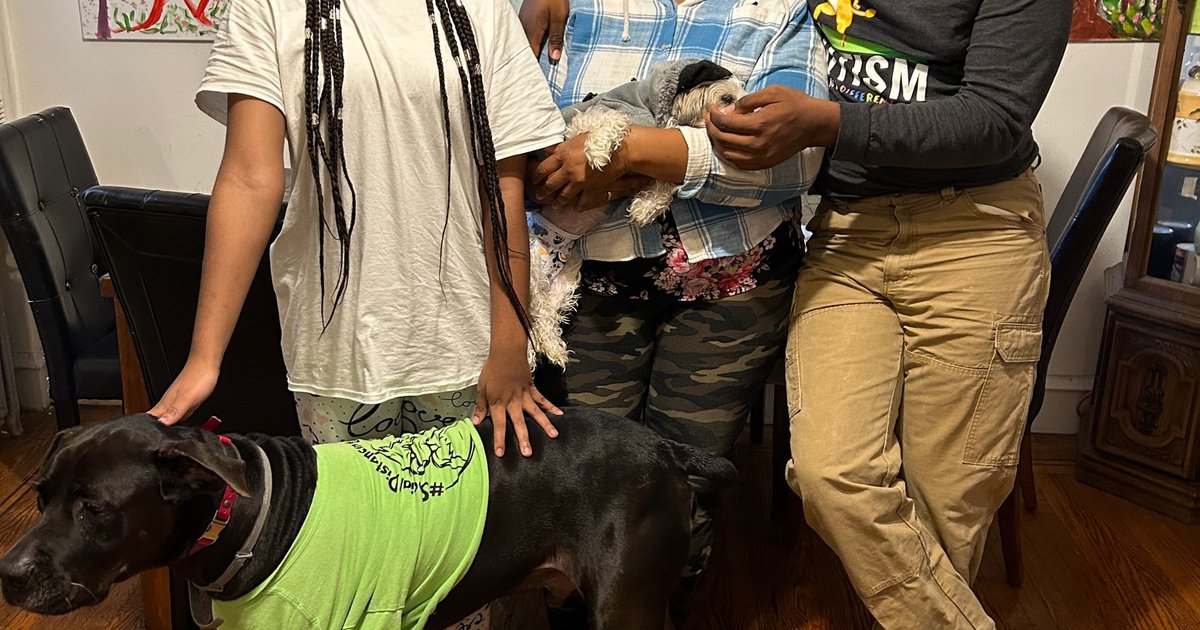
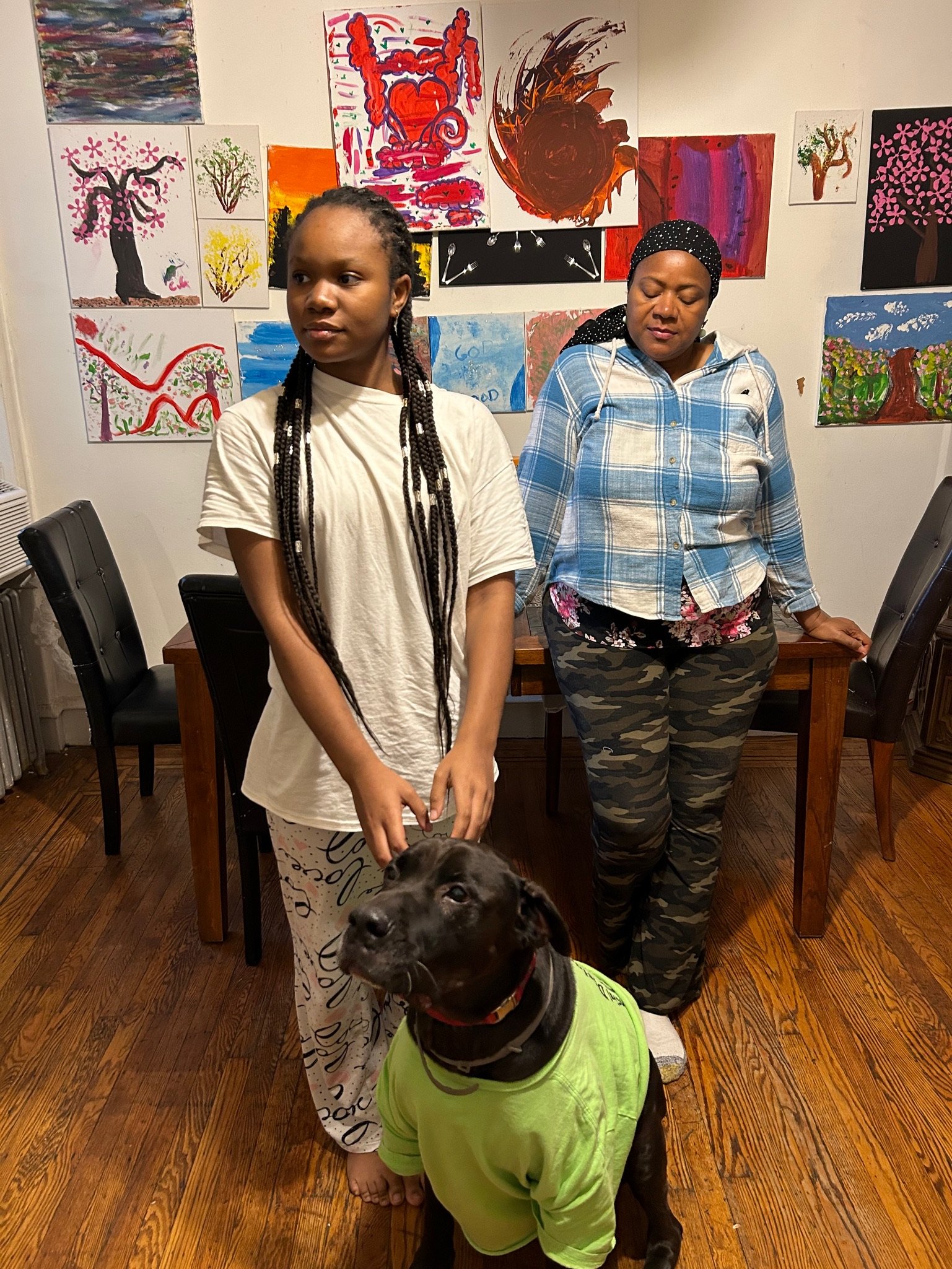
Philipa Nwadike-Laster, 51, a widow, lives in Philadelphia with her two children. Her son, Emmanuel, 20, is nonverbal, autistic, and requires special care. Her daughter, Cecilia, is 14 and in middle school. A few years ago, Philipa, a certified nursing assistant who cares for elderly and disabled clients, joined when she took one of her clients to a meeting, and she was inspired. Global Women鈥檚 Strike is a multi-racial international network advocating for the recognition of and payment for all unpaid care work鈥攁 care income. It鈥檚 an outgrowth of the International Wages for Housework Campaign that started in 1972. Since joining the women she calls warriors, Philipa has traveled to Washington, D.C. to lobby lawmakers to expand the Child Tax Credit and in support of Democratic Rep. Gwen Moore鈥檚 bill,, which would, among other provisions, expand the current definition of work to include care work. This would provide income and access to public benefits for those who care for family members, including children.
Philipa, an immigrant from Nigeria, was motivated to fight for these measures because she found her own experience maddening. When her son was younger, he qualified for home care services paid through Medicaid. But she wasn鈥檛 allowed to provide it despite being a certified caregiver. That鈥檚 because, for years, federal Medicaid rules that states must abide by prohibited parents from being paid to care for their disabled children. [In Pennsylvania, parents could become paid caregivers to their children only under 鈥渆xtraordinary鈥� medical circumstances. Few cases qualified.] The fear, advocates explained, was that Medicaid didn鈥檛 want to be seen as paying parents to parent. The rules did allow parents to be paid caregivers to adult children over age 21. So, instead of being able to care for her young son full time as her job, Laster was forced to do the same care work for other children outside her home.
鈥淏y an irony of fate, I was being paid $12 an hour while I was working, and the caregiver for my son was being paid $18 an hour. I still come back home to do most of what she doesn't do, which is very, very frustrating to me because I didn't leave anything undone where I'm coming from,鈥� she said. 鈥淚t's this kind of thing that sets one on collision with colleagues, especially if the agency you're working with is the same agency that's sending your colleague to work with your child. It's absurd that we don鈥檛 pay women or count women鈥檚 jobs as jobs.鈥�
During the pandemic, Medicaid, like many other federal programs, relaxed its rules. Many states, including Pennsylvania, allowed parents to become paid caregivers to their disabled children for the first time, as long as they were employed and overseen by an outside agency. 国产视频 400 families, including Laster鈥檚, were able to take advantage of the relaxed rules, advocates said. Parents and children were happier. The care was high quality, advocates said, and the state averted a crisis that could have ensued from the severe shortage in the caregiving workforce.
Still, in early 2023, the state of Pennsylvania planned to once the federal Public Health Emergency designation expired in May of 2023. Once again, the state planned to prohibit parents from acting as paid caregivers to their children. However, parents and disability advocates organized, lobbied state lawmakers, and Now, . That means Laster can finally work as her son鈥檚 paid caregiver as long as she is employed through an agency, passes an in-home inspection, and clocks her hours every day.
During the pandemic, like most care workers, Philipa lost all of her outside paid care work and struggled to provide for her family. Pandemic aid, including the expanded Child Tax Credit, expanded food and nutrition aid, cash assistance, and mortgage forbearance helped the family survive. She used stimulus checks to buy a car and start a side business fulfilling orders for an herbal wellness product. But she still had to take on a host of side hustles to help pay the bills. Even now, it鈥檚 still not enough, especially as Philipa wants her daughter to go to college and avoid the struggles she has had.
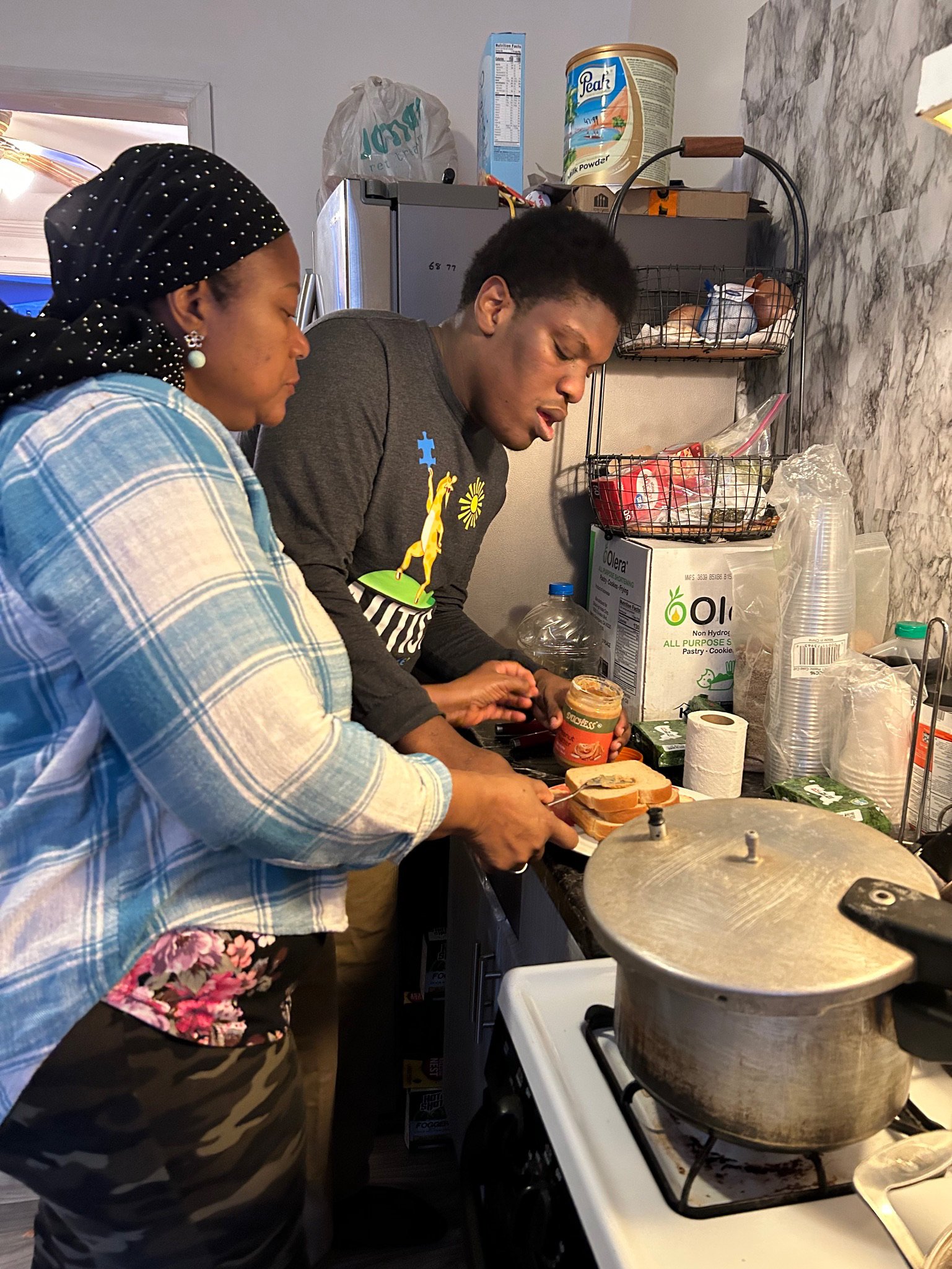
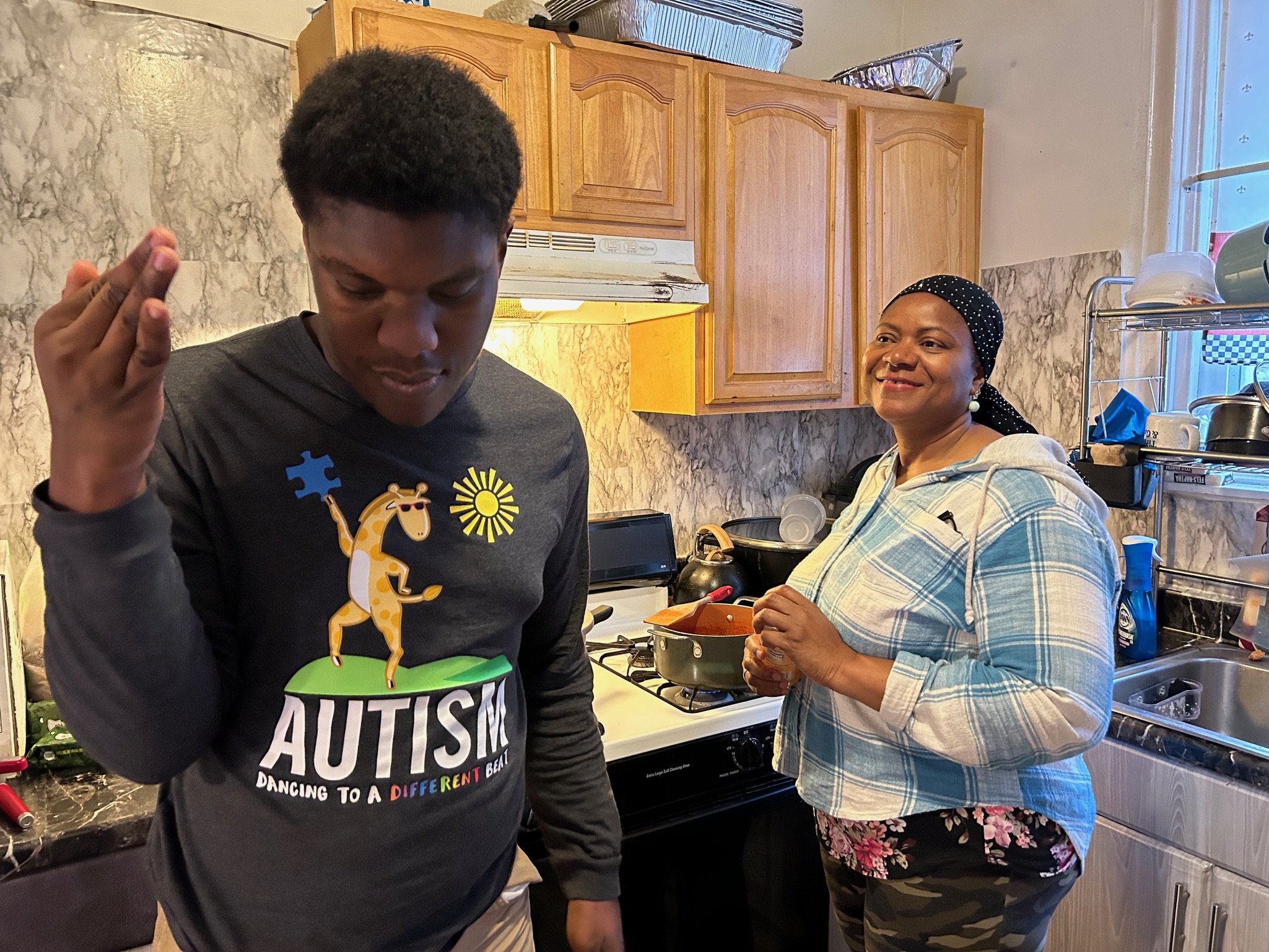
Brigid Schulte spent the afternoon with her at her tidy row house in the Olney neighborhood in Northeast Philadelphia. Cecilia was upstairs in her room studying via a virtual homeschool program. Emmanuel was at his high school program for disabled students and would soon return. Now that she can work as his paid caregiver, she clocks in from 6 a.m. to 8 a.m. to get him ready for school and again from 3 p.m. to 10 p.m. when he comes home. Philipa works with him, cooks for the family, provides a host of therapies for Emmanuel and gets him ready for bed. With her side hustles and other care clients, Philipa estimates she works six jobs. This afternoon, Philipa worked in the small kitchen preparing a dinner of rice and fish with the family cat, Charlie, and one of her client鈥檚 dogs, King, who was underfoot. Emmanuel bounded in after school and loudly sang wordless songs, filling the house with boisterous energy. Philipa's days are long. The caregiver pay doesn鈥檛 cover all the additional hours she spends caring for Emmanuel. Plus, navigating the paperwork and complicated bureaucracy to get him the services he needs is mystifying, time-consuming, and, at times, feels impossible. Philipa dreams of a world that doesn鈥檛 trap families in poverty, like a maze, she says, and that truly values women鈥檚 work.
Here is Philipa鈥檚 story, edited for length and clarity, as told to Brigid Schulte.
I鈥檓 a paid caregiver to my special needs son, which is something I recently started doing once he clocked 18. I also work with clients outside the home, but not every day, like I used to. It's like working 24 hours. Usually, caregivers don't have people caring for them, and that's the case with me. On a few days, I have other people come in to relieve me of caring for my child. But right now, it's like every support has been removed because his hours of care were reduced by insurance from 93 hours a week to 51 hours. Medicaid pays for part of his care, and that鈥檚 the 51 hours. That鈥檚 covered. That part is paid through an agency, not directly to the parent. So it means that, as a parent caregiver, I have to be employed by an agency working with my child, and I have to be paid by the agency as staff.
My son has very serious sensory issues. I help him hand over hand to guide him in taking his shower. For any place he doesn't catch, I show him and say, 鈥淗ere, baby. Here, do this. Good job.鈥� Praising him. I also help him put body lotion in his hand and hand over hand all over his body.
(She has posted photos throughout the house to help him learn to become more independent. On the walls in the upstairs bathroom, she鈥檚 posted a series of photos on how to take a shower and how to brush one鈥檚 teeth.)
Those are visual cues to remind him what to do. Other caregivers wouldn鈥檛 do that. Some of them pity him because it鈥檚 very tough for him to hold some things. He has fine motor problems. So they just do it for him. They see him like this child is suffering. But to me, even when I鈥檓 crying inside, I still have to show a strong face so that it could benefit him.
In the afternoons, we鈥檙e going to start a usual fight because he wants to watch TV, and I want to do body brushing so that I can calm him down before he gets into any other activities. I do therapy with him, like visual management therapy. Integrated listening therapy. Because he has a sensitivity to sound, I do sound therapy with him. Or what we call combination therapy or solution therapy. I do all that with him. I do some essential oil, which we always have all around the house, and some massaging. Then it鈥檚 night again, and I鈥檓 just trying to round everything up. I usually go to bed at 12 a.m. I don鈥檛 sleep. Sometimes I鈥檓 so tired I want to cry. I don't have leisure time. I'm trying to start having leisure time for myself now. Sometimes, I go to the Women鈥檚 Center for meditation on Wednesdays between 1 and 2 p.m.
But I like taking care of people. And I'm able to resign myself to the riches that are not quantitative. The riches of being there for others. The job itself, as a job, yeah, I can do that. I can really do it. It鈥檚 just that the income that comes with it is not going to be enough to save towards putting my youngest child in college, and that鈥檚 not good. The only control over my hours is鈥攜ou don鈥檛 work, you don鈥檛 get paid. It means you lose your income.
There's nobody that can live on one income. For two parents with kids that have no special needs or no therapy, most of the time, they still have to work two jobs. And now, I am a single parent with a special needs child. There are therapies that are not covered by the insurance. Of course, in my own case, even having three or four or five jobs, I cannot still meet [the cost to pay for those therapies out of pocket.] And so I ended up going for training for those therapies. I carve out time to do them with him.
Right now, I鈥檝e got five jobs. I have two care jobs, plus my son. Another overnight job on Saturday and Sunday. I鈥檒l be interviewing tomorrow for a life share job here. I also have side hustles鈥攍ike Amazon fulfillment. Shipping product for [a wellness] company. I pick up every empty water bottle I see. That brings in pennies. I make dresses. You can see my sewing machine there. [She points across the room.] That makes six jobs. I just pick every kind of little here, little there job that will make me present with the kids when they need me.
My son is non-verbal, but he's still able to say, 鈥業'm busy.鈥� 鈥業'm busy,鈥� meaning mom is busy. I didn't realize that every time he talked to me, I would say, 鈥楳om is busy now.鈥� I didn't realize I was saying that often. Until he said, 鈥楳om is busy now. I'm busy.鈥� So I must have been repeating it so much for a nonverbal autistic [child] to be able to pick that and repeat it back to me. So it was like a wake-up call.
But my first job is being a mom. And the other jobs are what sustains the job of being a mom because the job of being a mom is never paid for.
I usually like to define myself and my job as a mother first. Even before I met the Global Women's Strike and I became one of the volunteers, when [people] ask my occupation or job, I've always put mother. Not because I didn't have what they call a job, but because that is my number one job. That's the one I choose to be recognized with, and that's the one I want to be called.
Through the years, I've always had people [ask, 鈥樷�淲hat is] the job you do that's a real job?鈥� And it's like, seriously? If I do not mother, if you do not mother, if we don't mother, how will all the other jobs be done? The first job is mothering. I believe that every mom is a working mom. My organization, Global Women's Strike, also says every mother is a working mom. So, we came to Washington, D.C. to emphasize this notion because it's the truth. Some lawmakers, like Congresswoman Gwen Moore and Congressman Dwight Evans, are already pushing a bill that defines what work is, and that work also includes the fact that mothers are working.
Breastfeeding is a job. Because if we are not breastfeeding a child, we have to buy formula. If you're buying the formula, it's some people who are making the formula, which is not as good as the breast milk, but there鈥檚 a whole company that's making that. That鈥檚 a job for some people to do. So even if you express your breast milk, or even if your baby is to be given a formula, and the mother is compelled to go out to work, the caregiver who will feed that baby the formula will be paid for doing that job. So it's a job. It鈥檚 only that it's not recognized when the job is being done by moms to their families. That's on the side of parents.
On the side of caregivers, I'm a certified nursing assistant. I work in people鈥檚 homes or nursing homes. But the fact is this鈥攅xactly what I do to be paid is the same thing I do at home for my special needs child. But, the funny part of it is that I'm asked to go get a job outside of my home because that's the only time it should be recognized that I'm working.
When I joined the Global Women鈥檚 Strike, I could see other women caring for children鈥攁nd not earning much income鈥攚hose children were removed from them. With poverty as a reason. Other grandparents whose grandchildren were removed from them. Because of poverty. Why would poverty be a crime? It鈥檚 not a crime to be poor. But Child Protective Services puts poverty as neglect. Meaning if you are poor, that means you are neglecting. But poverty is not neglect. Poverty is poverty.
I like that we're very close to the park. I like the neighborhood. I did a lot of searching. I wrote down what I wanted and eventually got it. The neighborhood is good. You still see people walking around in the night.
A lot of people, when they hear I moved to the Olney area, it's like it's a very dangerous area. But it鈥檚 just where the bus stops and the transit are that is that鈥檚 dangerous. That鈥檚 the place that is always having shootouts. That鈥檚 the place that is always in the news. But that is almost seven to ten blocks away from us. So this cul-de-sac, beside this park, where we are here, is a safe place. I wouldn鈥檛 let my kids roam or let my son go to the park all by himself. The world has become crazy. I鈥檓 always teaching my daughter how to fight free in case somebody grabs her.
My boy is huge, a 6鈥�4, 200-pound boy. For those who are autistic and nonverbal like my son and unable to express themselves, sometimes he runs himself into the wall as his way of regulating himself. If I'm there when he's running himself into the wall, I know he needs to be massaged, or I try hugging him to decompress him.
Whenever he goes out, oftentimes he's just yelling. That's to get attention and for stimulation. He's a huge Black boy. Another danger is from the untrained police. That's my number one stress disorder. My number one stress disorder is not the [Child Protective Services] coming to take him away for any flimsy reason. It鈥檚 the police. The second one is CPS. It鈥檚 the government that should be helping me that I鈥檓 so scared of. They might take the life of my child. Or they might take my child away.
I don't sleep. Sometimes, I want to cry to decompress. I want to be able to go to a corner of my place and cry. But when you cry, you have swollen eyes. And when you have swollen eyes, it weakens your daughter.
Just this morning, I was overwhelmed because I got called by my son鈥檚 [Medicaid] insurance, and it's like, 鈥淥h, we need this paper. You didn鈥檛 submit that paper.鈥�
And they ask, 鈥淎re you going to break down? You better talk with your doctor.鈥� I said I'm already broken in pieces. I've never been together. Take note of this: OTSD for parents with special needs children. Ongoing Traumatic Stress Disorder. And we don't get out of it until we die. And you don鈥檛 get help because it鈥檚 not recognized. When you鈥檙e at work, you鈥檙e thinking about what could be happening at home. Because of special needs, you get fired easily because you have to call off work most of the time. You fight in the school districts. You are asking and begging and fighting and crying and advocating and doing everything for them to give him 20 more minutes of [advanced behavioral education.] You are calling the insurance for speech therapy, and they're telling you that we are not sure that he doesn't speak. [She shakes her head.] I got a letter that said, 鈥淲e know your son used to be, but we believe that he is no longer autistic.鈥� It鈥檚 like saying, 鈥淲e don鈥檛 believe you, you no longer have Down Syndrome.鈥� We just fight and fight every day.
That鈥檚 why I call it OTSD. We are like moving zombies.
During the time of the lockdown, the COVID era, the Child Tax Credit was helpful. I was given food stamps, so we had enough to eat all the time. The money was able to help. I used to work with four people. I worked 76 hours every week before I came back home to do tailoring. But with the lockdown, I couldn鈥檛 be going to different people鈥檚 homes. It was not healthy and could be dangerous. So, I only went to one client.
What that meant was the money [the CTC] paid was a lot of relief. Just imagine, I lost all my hours. I call it the children鈥檚 money. I used it for Cecilia鈥檚 dance class. She also went to music classes. And I was able to get some things for the brother, too. Then, there was disaster coverage for the mortgage. I went 18 months without needing to pay the mortgage. They adjusted it. So, instead of 30 years, they moved it to 30 years and 18 months.
Then the stimulus check, wow! That鈥檚 what I used to start my business鈥攑art of it. I made a small amount. If I ship 20 [wellness] packages a week, I bring in $60. It was very tiny, but it was something.
Now, my daughter鈥檚 music and dance class has stopped. So, now I sit down with her to watch YouTube to learn to play the ukulele. That鈥檚 what we鈥檙e using now. I鈥檓 providing the house, the food, the bills, but all those other things that kids deserve to have, I鈥檓 no longer able to provide.
I still don鈥檛 understand why [the Child Tax Credit] only comes once in a year with my tax refund. The kids are not growing once in a year. They grow every day. because it鈥檚 the kids鈥� money. But when you give it to us at the end of the year, when there's a lot of debts to be covered and everything, sometimes it's like, 鈥淗eck, how do I manage these funds?鈥�
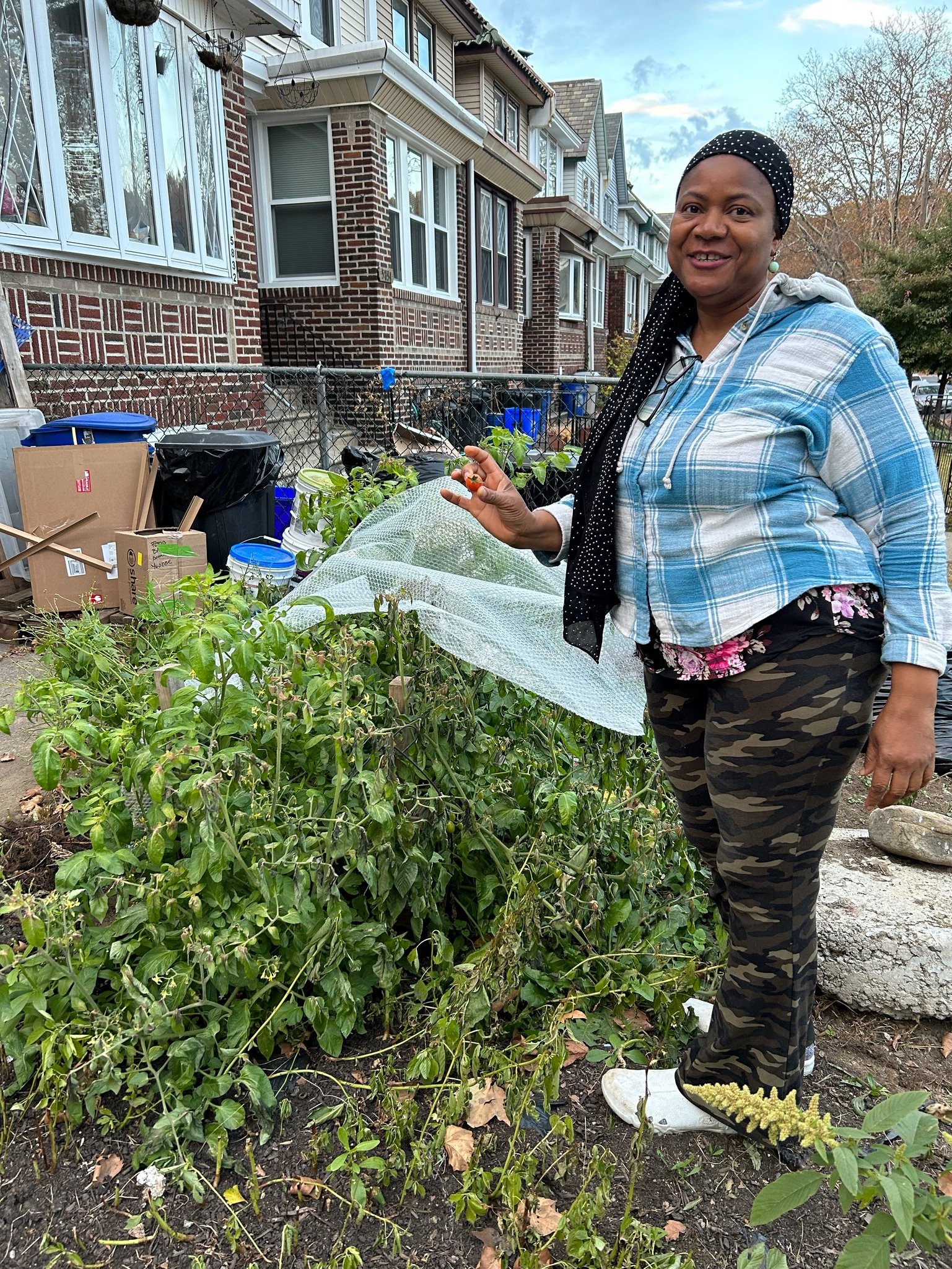
The food stamps ended shortly after the pandemic. There were days I went hungry. I also decided to do a little garden in front of the house so I can plant some healthier organic veggies and not just be limited to canned foods. I still have tomatoes growing there now. I don鈥檛 usually have time to go to the food bank.
The kids have Medicaid. I don鈥檛 have free health insurance.
My dream is to put my invention into practice. I studied civil engineering. I practiced as a civil engineer before I migrated to the U.S., which was 11 years ago. The first thing I did was patent my invention when I got here. That鈥檚 my plan. I also want to expand my side hustle to become a business, to become a great job. It has been the small business that put food here. I have been able to pay my mortgage for two months and put food on the table. I鈥檝e not paid any other bills for two months now. No parent should be deciding between paying the mortgage, bills, or buying food. This is what poverty does. This is what I mean by earning nothing doing an important job [as a mother.] I decided to pay my mortgage and buy food for these children, so other bills will need to wait.
I don't want Cecilia to be so burdened the same way I am burdened. I don't want her to get out of being whosoever she wants to be鈥攁 psychologist right now. She wanted to be a vet some time ago. I don't want her to be a caregiver, receiving just a little amount of money. I want to see a future where she will be able to have a life. She鈥檒l definitely go through college. That is a must. But I cannot say I have savings that she can dip into to go to college without running into student loans and being sort of imprisoned by the student debt. How do I hope to solve that problem? I don鈥檛 know yet. Maybe she鈥檒l get a scholarship. I鈥檓 not getting younger. I鈥檓 getting weaker. I might not be able to do more work to help her. Right now, what I鈥檓 doing is not able to sustain all of us.
I also want her to relax that her brother鈥檚 in a good place.
For my son, I don't want him to be abused, abandoned, or not well taken care of. There was a time in the school when they told him he was just going to be condemned to home watching TV for the rest of his life. I said, 鈥淣o, you don't know him. You should ask me what I think.鈥� I want to see him being able to contribute鈥攂eing able to hold a job and being able to earn some income from that.
For my daughter, I see her eyes light up whenever her brother is there. It's like, that's her ultimate. She likes drawing and making artwork along with her brother. They do that together.
For him, he doesn't even look for too much, provided he's in an environment where he's respected. He is very, very conscious that he has special needs. He knows that there is something in him that makes him different from everybody. If he's around people who do not respect him because of that, he doesn't like it. But if he's around people who just love him for being him, he wants to charm everybody.
For me, what makes me happy? Number one, helping other people makes me happy. Number two, having enough for my kids, and not being afraid of [not having enough for] any needs whatsoever. That鈥檚 what makes me happy.
Some people are not just choosing to be poor. The system makes some people poor. The way it is set up, it's like a trap. It's like a maze. You get out of debt in one place, and you turn and find yourself in debt in another place. So, I want policymakers to know that they've made bad laws. They鈥檙e like a noose, too tight on the neck of the people.
Most people are not asking for too much. If anybody is asking for too much, it's all the corporate rich folks who just want the whole world. Most people just want a means of livelihood, to not be put into some kind of stressful condition.
I would like to see an economy that considers people based on their abilities and contribution. An economy that is trying to increase the middle class, giving conscious efforts to help people climb up to that ladder.
Look at the economy we have right now. Everything increased in price except income. That鈥檚 why I call it a maze. Why not first increase the income?
Maybe I've been doing it all by myself because I didn't think there were people around me to help. Even when one does not really have physical health, you can allow your spirit to feed from the spirit, your soul to feed from the soul of the people around you.
And if you don't allow that, you will not only be suffering not having people to help you physically, you will also be suffering not having people to help you carry your burden. That鈥檚 what I got from going to that meditation. Those are the times I relaxed myself. You have all these women around you, all these grandmas around you. If they don鈥檛 even have anything to give you, I mean physically, you have the support. You feel you鈥檙e supported. The caseworker for my son makes me feel so relaxed. If I close my eyes for the last time, my prayer would be, I pray she would be there. There are some caseworkers that come and they just want to take your child away from you. There are some case workers that see you. Like my daughter says to me, 鈥淢om, I see you.鈥�
You know, my daughter came to me and said, 鈥淎tlas is depicted as a man holding up the world. But men aren鈥檛 holding up the world. Women are holding up the world. Atlas is my Mom. Atlas is my grandmother. They got it wrong, thinking Atlas is a guy.鈥�
Director, Better Life Lab