Powering the Cities of the Future with Blockchain

On May 21, 2018, hosted the CityXChange (CXC) at the Rockefeller Foundation鈥檚 Bellagio Center in Italy. The event brought together mayors from around the world to engage with the tech and venture capital communities and cultivate partnerships to support urban resilience. I attended the conference on behalf of the Blockchain Trust Accelerator and the broader blockchain community to explore how the technology can improve the cities of the future.
Cities are increasingly powerful engines of economic growth that have a profound on surrounding regions. According to United Nations data, more than already live in urban areas, and cities could add another 2.5 billion residents by . As this trend toward urbanization accelerates, there is an open question around how to make tomorrow鈥檚 cities more efficient, resilient, and well-governed. The answer will shape the lives of billions of people.
Discussions of smart cities have previously focused on the use of sensors, the internet of things (IoT), and open data. Blockchain is a new entrant to the conversation, but it could address some critical challenges facing the world鈥檚 metropolises. Cities need to integrate information from multiple agencies and organizations and maintain the trust of actors that may not trust each other. This is particularly important at a time when confidence in public institutions has reached .
Other layers of government are recognizing the opportunity to harness blockchain technology to bring accountability, transparency, and efficiency to their operations. Several states in the U.S. are moving quickly in this direction, with and establishing dedicated initiatives to encourage the use of blockchain. Earlier this month, the BTA helped West Virginia launch the blockchain-based mobile voting platform used in a federal election.
Cities and city-states around the world are starting to follow a similar trajectory, and they could prove to be outstanding laboratories for blockchain tech. Some of the most advanced blockchain projects are being carried out in Bermuda, Singapore, and Dubai. Over the last year, Bermuda has launched a , passed legislation to , established a a for blockchain companies, and put forward a . Singapore for the exploration of blockchain technology to advance banking services and boost financial inclusion across the region. Dubai to become the world鈥檚 first blockchain-powered government. By 2020, the emirate wants all visa applications, bill payments, and license renewals — which collectively require over 100 million documents each year — to migrate to blockchain-based systems.
In North America, where of the population lives in or around cities, Austin, Texas was recently selected by to pilot the MyPass Initiative — a program that will allow users to store information including identification cards, social security numbers and medical history in one digital location secured by a blockchain layer. New York City鈥檚 Economic Development Corporation has set up a, a physical hub focused on building awareness of blockchain technology. Driven by the problems arising from the complicated structure of its current system, Berkeley, California is using blockchain to issue municipal bonds. In January, the city of South Burlington, Vermont that they were partnering with a Palo Alto startup to test the use of blockchain technology in recording real estate documentation and transactions. Local governments across the country are testing the waters to see where blockchain can best fit their needs.
Earlier this month, the BTA organized a summit at the Rockefeller Foundation Bellagio Center. This inaugural Blockchain Summit saw participation from top leaders in policy, technology, and civil society. Participants developed recommendations for mayors looking to move their cities to blockchain:
- Have your data ready: clean, accurate data is a prerequisite for successful blockchain solutions. Start now to prepare your city鈥檚 information for the jump to blockchain.
- Don鈥檛 go it alone: building and implementing blockchain solutions as part of a coalition can bring down costs and improve outcomes.
- Think about the intersection of blockchain and other frontier technologies: blockchain will be deployed alongside AI and IoT. Some of the biggest opportunities will occur as these systems converge. Plan accordingly.
- Harness blockchain to tackle social, governance and environmental risks: blockchain not only provides greater resilience for data and IT systems, but also has the potential to address non-traditional risks caused by market failures.
The BTA is collaborating with several cities around the world to develop blockchain pilots that will reduce costs and increase accountability in civic institutions. As these efforts prove out, more communities will benefit from the work of pioneering mayors and technologists who are opening their communities to the tools of the 21st century.
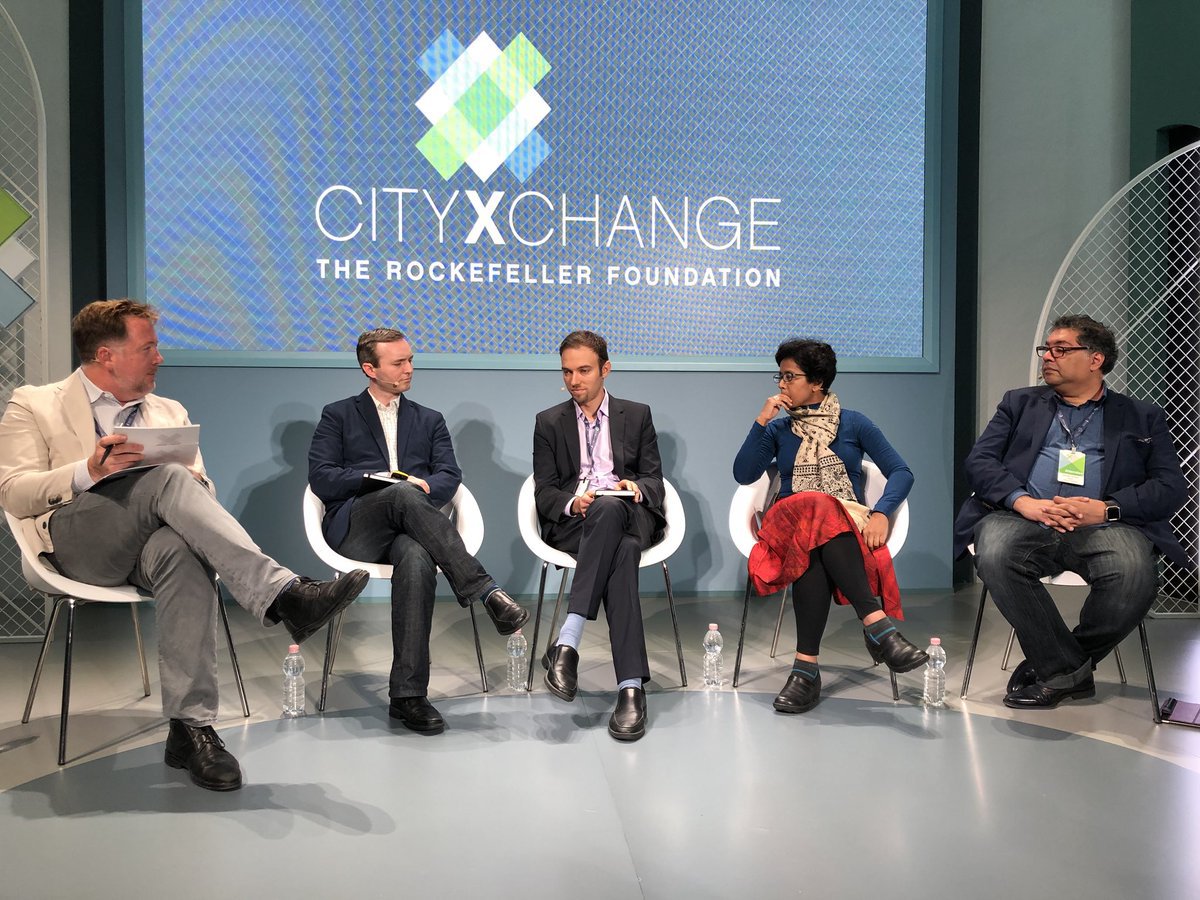
Twitter/@MicahLasher
More 国产视频 the Authors
Asvatha Babu

Tomicah Tillemann
Issues
Programs/Projects/Initiatives
Related
Building Sustainable Supply Chains: Evaluating Worker Well-being Impacts Using Blockchain

Blockchain and Election Integrity

How could blockchain power government services and uplift citizen voices?