Faisal M. Lalani
Non-Resident Scholar, Planetary Politics
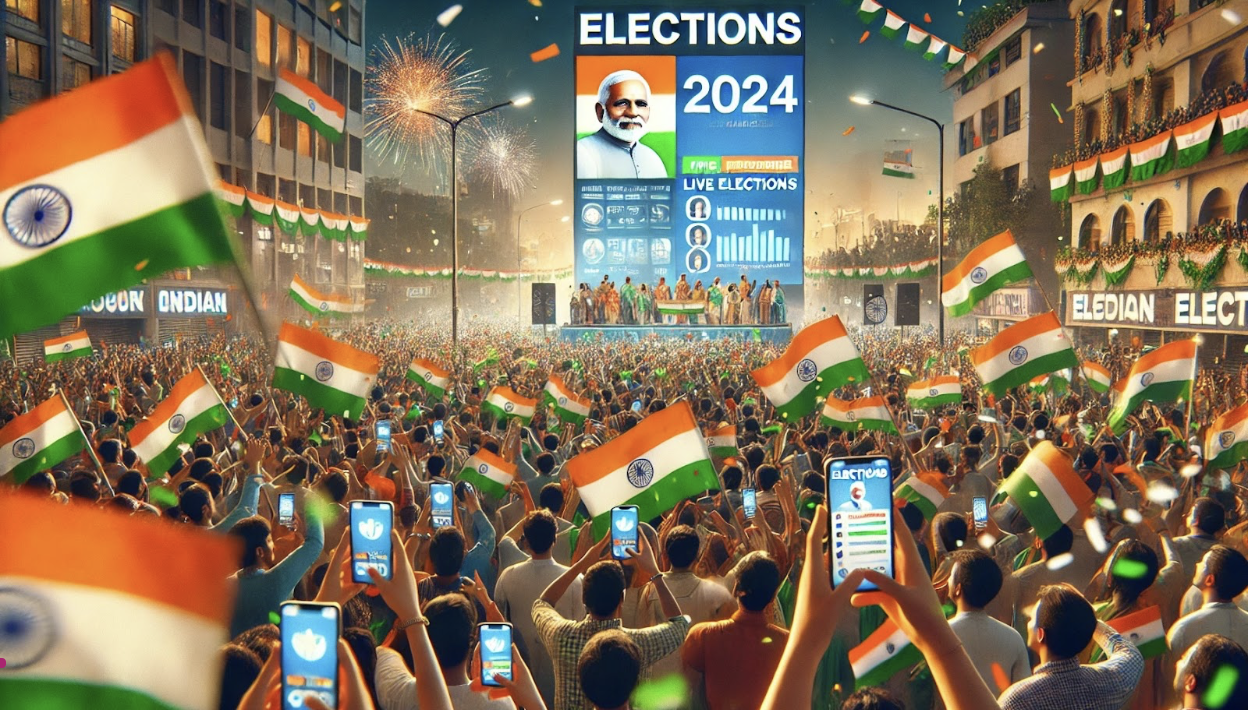
On June 4, 2024, India, the world鈥檚 largest democracy, concluded its latest parliamentary election cycle, ending the ruling party's decade-long dominance. Although the Bharatiya Janata Party (BJP) emerged victorious, it lost its single-party majority for the first time in ten years. Prime Minister Narendra Modi now faces the challenge of among various parties, including those more secular and opposed to his Hindutva politics. Deliberation and will also likely be more prevalent in any legislative process.
With the country鈥檚 rapidly advancing , the focus is now on the future of India鈥檚 tech regulatory framework. But while there is a lot of speculation on what a coalition might mean with regard to , it is less likely to affect India鈥檚 pursuit of an increasingly draconian vision of digital sovereignty. The ruling alliance is on matters of tech policy. And up until now, none of the other parties in the alliance have voiced concerns around the government鈥檚 existing policies.
The patterns of judicial overreach and freedom of expression violations embedded in prior laws indicate a continuation of the pursuit for . The BJP majority government first codified this concept when it issued the 2018 National Digital Communications Policy. The regulatory framework defines sovereignty in terms of three central components: data, autonomy of the individual, and security. The result to date, has been a progressive slide toward a combination of protectionism and illiberalism when it comes to tech governance in India.
What that has meant in practice so far is first a focus on strict , exemplified in laws like the Digital Data Protection Bill of 2023. These measures require consent from users in obtaining data, and mandate tech companies to store copies of personal data within the country at all times. But the regulatory effort has been by rushed legislative processes, abstract stipulations on data processing, reduced compliance incentives, and blanket exemptions for the government.
Second, the government has pursued control over individual choice and autonomy on social media by advancing the Intermediary Guidelines of 2021. Drafted with the intention of setting a foundation for content moderation on social media platforms, these severely restrict freedom of expression online. The Indian government would redirect content removal claims to a political committee, incentivize automated content moderation systems, and even traceability requirements that subvert end-to-end encryption. With the implementation of these guidelines, the government has established power to censor content it deems a threat while simultaneously allowing for unlawful surveillance.
Finally, India鈥檚 cybersecurity standards have been the undercurrent of a number of laws, from the aforementioned data protection legislation to a focus on localizing semiconductor development. India links its digital security directly with its Hindu-nationalistic ideology, justifying the need for the former with the philosophy of the latter. Ironically, laws claimed to ensure security have also Modi and the BJP鈥檚 widespread surveillance framework, allowing for rampant internet shutdowns and government exemptions to access secure channels of communication between citizens.
Therefore, the BJP-led government has established patterns of consolidating power and centralizing oversight when pursuing digital sovereignty. The important takeaway from India鈥檚 history of digital policy is the versus the technology, and the political dynamics that undermine public accountability structures. The election itself has exemplified this. For instance, opposition party is already being used to justify stricter AI regulation, framing the issue in a way that allowed the BJP to look like the good guys. Another example is in how anti-BJP media and activists have taken advantage of platforms like YouTube to make their voices heard during the election, prompting overreaching .
Now, India鈥檚 and increased investments in localized AI models has spurred a booming AI ecosystem. In response, the government proposes the Digital India Act (DIA), in which legal paradigms of algorithmic transparency, child safety, and sovereign AI will be outlined. Initially announced back in early 2023, the DIA was shelved until after the 2024 elections, around the growth of India鈥檚 digital economy and the overall progress of public policy and digital governance.聽
The act itself may for the government to learn from past mistakes: for instance, the new coalition may prioritize platform accountability using insights from multi-stakeholder consultations. Or it can elaborate on protections that can empower regulatory agencies without consolidating power to the central government. But what institutional and legal precedent is there for the bill to go in this direction?
As experts ponder what the impact of a coalition government on the DIA and India鈥檚 future tech governance will be, an evaluation of how the country has historically pursued digital sovereignty may provide the answer.
Non-Resident Scholar, Planetary Politics